
As we scroll through our social media feeds, we can see there are plenty of new wellness trends that use activated charcoal, like facial scrubs, masks, and deep conditioning treatments for healthier hair. But have you noticed the activated charcoal toothpastes? These products are gaining popularity as people look for new ways of whitening teeth, and it's hard to ignore those selfies with the goofy blackened mouth. But is this type of teeth whitening treatment safe to use? With so many methods for whitening teeth trending online, it’s important to know the facts. Here’s what you should know before trying activated charcoal toothpaste!
Introduction to Tooth Whitening
Tooth whitening, also known as tooth bleaching, has become one of the most sought-after cosmetic dentistry procedures for those looking to achieve a brighter, more confident smile. This process works by using whitening treatments (often containing hydrogen peroxide or carbamide peroxide) to break down stains and discoloration on the tooth enamel.
With the growing popularity of whiter teeth, there are now countless tooth whitening products and methods available, from professional in-office whitening to over-the-counter kits and natural teeth whitening remedies like baking soda. While these options can help remove stains and lighten the natural shade of your teeth, it’s important to be aware of potential side effects, such as tooth sensitivity and gum irritation. Understanding the differences between these whitening treatments and how they interact with your tooth enamel can help you choose the safest, most effective way to whiten your teeth and maintain your oral health.
What is Activated Charcoal?
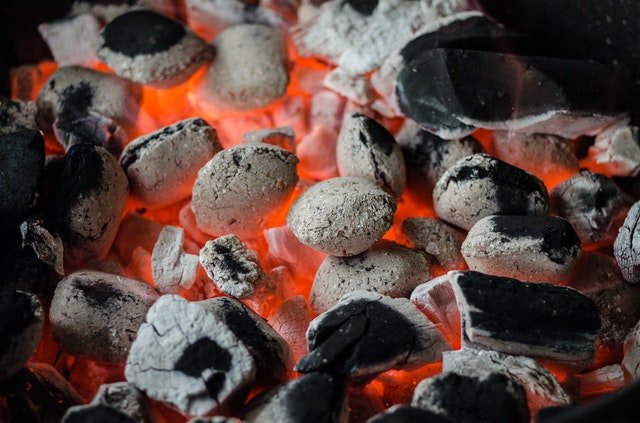
Charcoal is made of coal, wood, and other materials. When heated with a gas, it becomes active and porous, which means it’s able to absorb substances. It helps trap and get rid of unwanted toxins and chemicals in the body. This process can involve chemical degradation, where activated charcoal helps break down certain substances through chemical reactions. It’s very well known as a detoxifying agent.

Health Benefits of Activated Charcoal
The use of activated charcoal dates back several centuries as a remedy for numerous ailments. To this day, it is purported to possess many benefits (not all of them verified by science), including:
-
Emergency poison control (due to its ability to bind to a variety of drugs and toxins)
-
Kidney support (again, binding to toxins in the body, thus reducing the kidney’s filtration workload)
-
Odor control
-
Controlling cholesterol levels
-
Treating bloating, gas, and diarrhea
-
Filtering water
-
Dermatological treatments
-
Tooth whitening (sometimes used to address tooth stains by removing surface discolorations)
Research published in BMC Oral Health has explored the effects of activated charcoal on oral tissues and its potential for removing tooth stains.
Does Activated Charcoal Teeth Whitening Work?
Activated charcoal has become a trendy ingredient in tooth whitening products, from toothpastes to powders. Thanks to its highly porous nature, activated charcoal can adsorb surface stains and toxins from the tooth surface, which may help you achieve a whiter smile. However, the effectiveness of activated charcoal for teeth whitening is still up for debate.
While some people report that it helps remove stains and brighten their teeth, dental research has yet to confirm its long-term benefits or safety. Some studies suggest that the abrasive texture of activated charcoal could wear down tooth enamel over time, potentially leading to increased tooth sensitivity. If you’re considering using activated charcoal as part of your whitening process, it’s important to use these products as directed and talk to your dentist to make sure you’re protecting your enamel and overall oral health.
The Best Teeth Whitening Products and Treatments
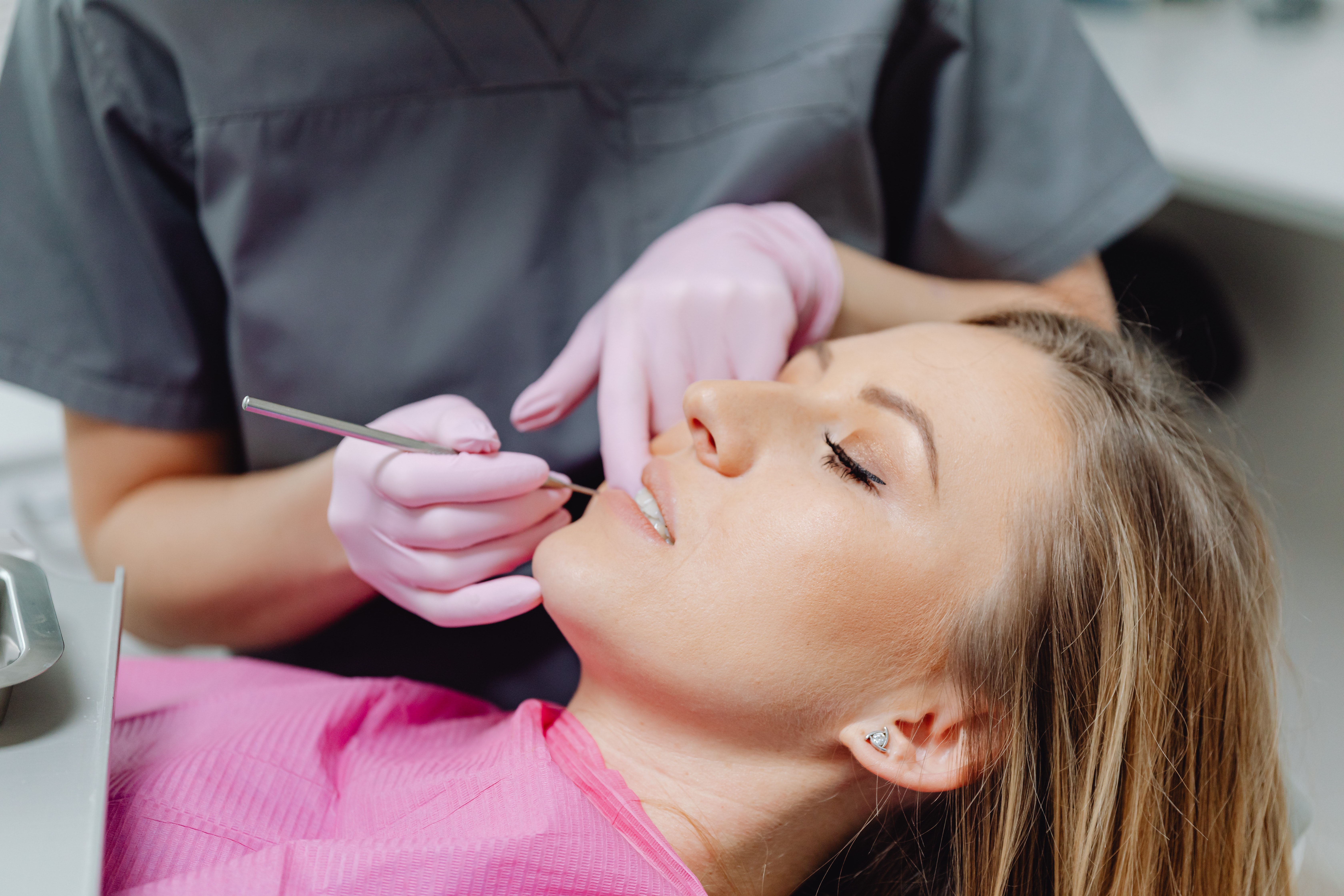
You’ll always get better results if you go to your dentist for cosmetic dentistry treatments. If you want a long-lasting, bright smile, then contact Dr. Kevin Mahoney and his team. They’ll give your smile a sparkle it never had before!