

No part of the body is exempt from the effects of aging, including our teeth and gums. In this blog, we’ll describe the physical changes that happen within the mouth as we grow older, the impacts those changes have on oral health, and how to keep your smile healthy and looking young.
How do teeth change with age?
Aging teeth undergo a good deal of wear and tear, even with proper care. Naturally, the areas where we bite and chew often flatten. The alignment of our teeth can also potentially change from early adulthood if we’ve encountered some sort of injury or related oral health issue along the way. Anything that has permanently altered the layout of our mouths can cause new health issues in later years.
With age, bones are less dense and strong, including tooth enamel. Sometimes seniors experience having teeth that have grown yellow or brown. This discoloration can be a result of age or a byproduct of taking medication. Other causes include diet, smoking, excess coffee, excess red wine, and not adhering to good oral health practices (brushing for two minutes and flossing twice a day).
How do gums change with age?
Similar to what we experience with aging teeth, our gums also change. The most common issue is gum recession. This term describes the process when gum tissue surrounding the teeth begins pulling away, exposing more of each tooth. Eventually, even the roots underneath become visible. With gum recession comes sensitivity to heat and cold, along with sensations of discomfort and pain. The latter can occur even when the mouth is inactive.
Oral health ramifications of aging teeth and gums
Aging teeth and gums can affect the function and structure of the whole mouth and in turn overall health.
The weaker an individual’s oral health, the more difficult everyday actions like eating or brushing teeth become. These actions become more tedious, time-consuming, and ultimately expensive when oral health services are required to address the issues.
However, as seniors age and their health changes, relying on best practices can mitigate the effects of time and keep teeth white and faces smiling.
Senior dental care best practices
Despite the problems that come with aging teeth and gums, certain behaviors can help older adults prolong and promote healthy mouths.
Your diet will always play a role in your oral health, especially as you grow older. Avoid hard foods that require intense chewing or biting. These actions wear on the enamel. Eating the wrong foods like a nut or even an apple could result in a chipped or potentially broken tooth. The same applies to sugary foods and drinks which cause plaque build-up and weaken teeth.
Be sure to keep your body, and thus your mouth, hydrated. Proper hydration will help you produce saliva, necessary to properly break down food. Saliva also helps clean the teeth and slows oral decay. With age comes a naturally drier mouth. Remedy this by drinking water. If medication causes you to have a dry mouth, consider drinking more water or altering your medication.
Best practices also include a proper brushing regimen. Be sure to use an effective brushing technique, floss after you brush, and follow that with a final rinse. Don’t brush for too long or too hard because this can cause your gums to recede.
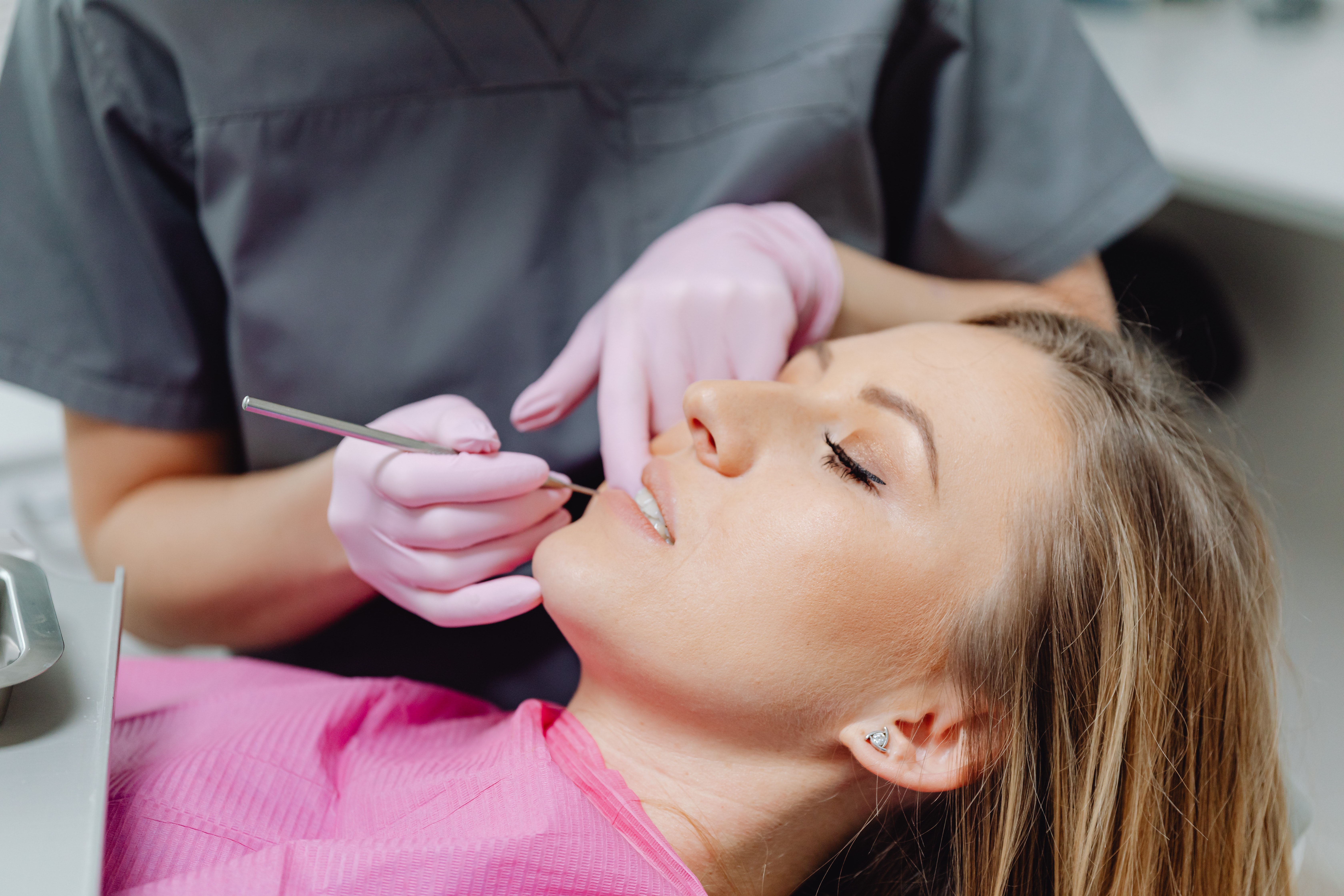
In addition to what’s done at home, dentists recommend at least 2 visits a year for routine and deeper cleanings. Regular senior dental care allows dental professionals to spot issues that would otherwise go unnoticed. Dentists can also prescribe specialized mouthguards in specific situations and other helpful tools depending on your circumstances.
Keep your smile looking young with Dr. Mahoney
Here at Sleep Dentistry, we value senior dental care. You can find restorative and cosmetic dental services to maintain healthy mouth function and appearance. Our Smile Makeover treatment is offered through veneers, fixed bridges, dental implants, and more, helping you renew both your teeth and confidence. Lifetime Whitening allows patients a lifetime of whitening treatments for a one-time enrollment fee. Give us a call and keep your smile looking young with Sleep Dentistry!