

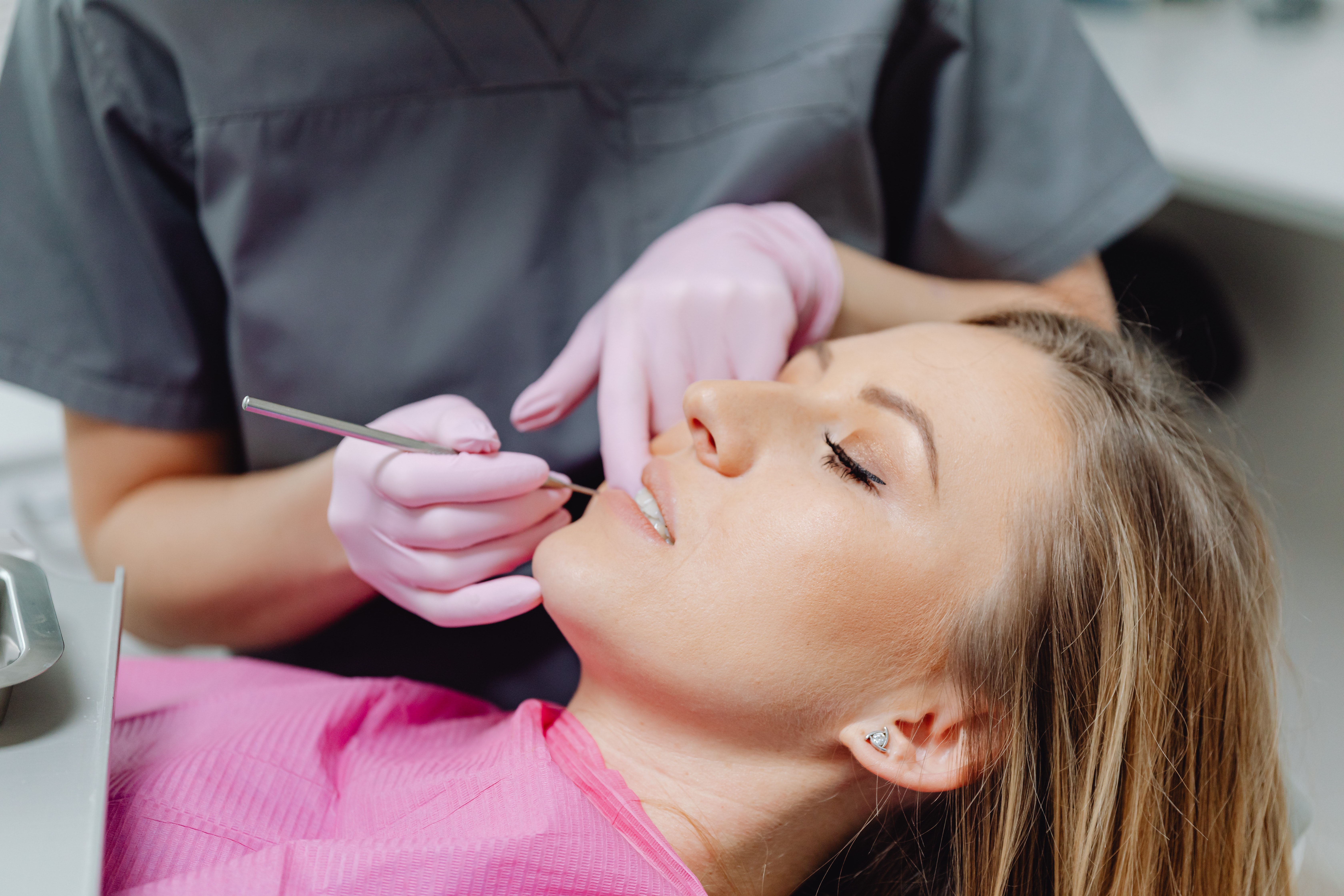

Even though you can’t see any teeth when a baby is born, their first teeth are already present in their jaw. That’s why it’s never too soon to start thinking about dental care for babies.
Taking care of your baby’s developing mouth starting from the day they’re born helps prevent childhood tooth decay — one of the most common childhood diseases — and helps ensure your child will continue to have good dental health throughout their early years.
Dental milestones during the first year of life
Your child’s primary teeth (aka baby, milk, or deciduous teeth) will typically start coming up through the gums when they reach between 4 and 6 months of age. You should plan to take your child to their first check-up with a dentist within 6 months after their first tooth comes up, or before they turn 1.
Primary teeth vs. permanent teeth
Babies usually have 20 primary teeth when they are born, compared with the 32 permanent teeth that adults have (including wisdom teeth).
Besides this major difference, baby teeth have smaller roots than adult teeth. These roots get absorbed by the second set of teeth as the primary teeth fall out and the new teeth come in.
At this point, you might be wondering something like: “If baby teeth are just going to fall out, why is it so important to take care of them?”
Well, primary teeth are essentially placeholders for future adult teeth, and neglecting to care for them can result in them having to be pulled out, which could result in alignment problems with your child’s permanent teeth.
Also, failing to provide proper dental care for infants can cause painful cavities, which is no fun for anyone.
Keeping your baby’s teeth clean sets a precedent for lifelong dental health and ensures that they don’t lose any of their primary teeth too early. That way, their adult teeth come in correctly and everyone stays happy and healthy!
Dental care before your child’s first teeth erupt
So, how do you care for your baby’s teeth if you can’t even see them yet?
For the first 6 months after your baby is born, or until their first teeth come in, gently wipe their gums clean with a moist gauze pad or washcloth after each time you feed them. You can do this by wrapping the gauze pad or washcloth around your finger and gently massaging your child’s gums.
It’s important to note that the main cause of childhood tooth decay is excessive contact with sugars, from things like sweetened water, fruit juice, soft drinks, honey, and anything else with sugar in it.
To help prevent tooth decay, it’s best to stick to giving your baby only breast milk, milk, formula, or water.
Other tips for preventing childhood tooth decay:
- Don’t sweeten soothers or pacifiers with sugar or honey
- If you do give your child fruit juice, dilute it to a ratio of 1 part juice to 10 parts water
- Don’t share saliva by sharing spoons or licking pacifiers/soothers (this can transfer bacteria to your child’s mouth)
- Never put your baby to bed with a bottle
Surviving the teething phase as parents
When your infant’s first teeth start coming up, they enter the infamous teething phase. During this time, their gums can become red and swollen, and it can be very painful for them.
To cut down on sleepless nights for you, you’ll want to do your best to ease your baby’s discomfort and make the teething process more bearable for both of you.
Fortunately, there are several different teething pain relievers you can try when your child is having symptoms of teething.
It may come as no surprise that cold is one of your biggest allies in the fight against teething pain.
A simple technique you can try is to twist and freeze a damp washcloth before giving it to your child to chew and suck on. Chilled chew toys, like silicone or rubber teething rings, can also provide relief for your child’s aching gums.
Also, lightly massaging your baby’s gums or letting them gnaw and suck on your fingers can help relieve their teething symptoms — just make sure to wash your hands thoroughly first.
Finally, if your child is experiencing really bad teething symptoms and none of the above techniques seem to work, you can give them some children’s Tylenol or another pain reliever. Always consult your dentist or pediatrician before giving any kind of medication to your child.
Dental care after your child’s first teeth erupt
So, your child’s first teeth are finally popping up — it’s an exciting time! As soon as the first tooth comes in, start to gently brush your baby’s teeth with a child-sized, soft-bristled toothbrush (in addition to cleaning their gums after feeding).
Do this twice a day with a very small amount of fluoride toothpaste (a dollop about the size of a grain of rice). Fluoride is proven to help fight tooth decay and prevent cavities, so make sure you always use toothpaste with fluoride in it to brush your child’s teeth.
Your children’s dental care routine should also include regularly inspecting their teeth for any small white or brown spots, which may indicate cavities. If you notice any suspicious spots, schedule an appointment with your pediatric dentist ASAP.
Scheduling your child’s first dental appointment
As we already mentioned, you should schedule your child’s first dental appointment within 6 months after their first tooth comes in, anytime before or around the time they turn 1 year old. After that, you should continue to schedule regular appointments every 6 months.
Dr. Kevin Mahoney is an excellent choice for pediatric dentistry in Erie, PA because he understands the anxiety and fears that many children have when it comes to visiting a dentist’s office.
He is dedicated to making sure that every child feels comfortable and safe when they come into our offices and strives to ensure they maintain good dental health from their first visit through the rest of their life.
Contact our compassionate pediatric dentist today to schedule your child’s first dental appointment.