
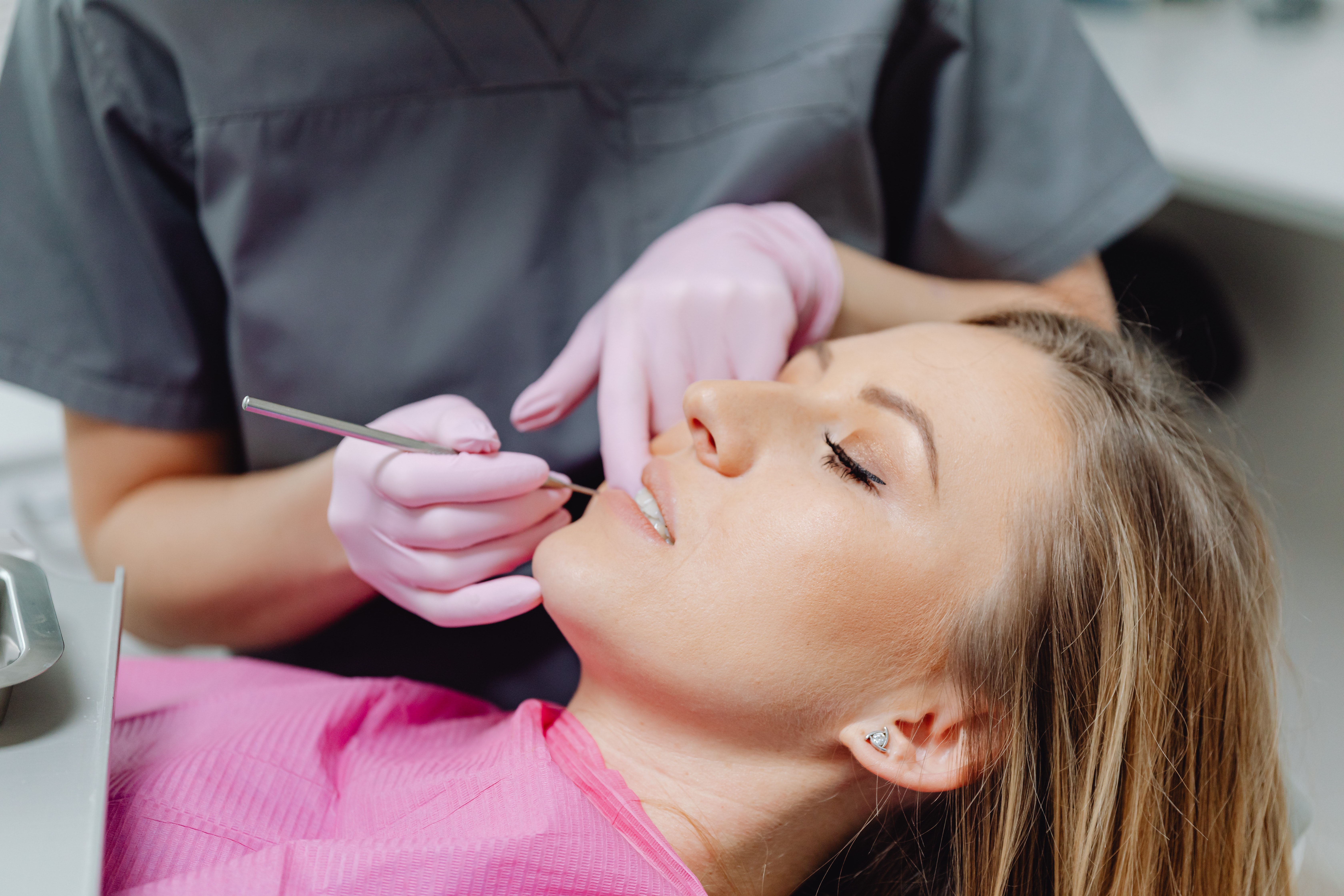

Many women are hesitant about going to the dentist while pregnant because they’re worried about whether or not it’s safe for their baby. Despite whatever stories you might have heard, the truth is that it’s perfectly safe to see your dentist while pregnant.
In this article, we’ll do our best to dispel your fears about getting dental work during pregnancy, as well as answer some of the most common questions women have about the matter, so you can continue to take care of your teeth and maintain your beautiful smile until your baby is born!
How pregnancy affects your teeth
There’s a common misbelief among soon-to-be mothers that pregnancy can cause tooth loss. Fortunately, this is far more myth than reality.
While it’s true that carrying a child can temporarily loosen your teeth, this rarely results in actual tooth loss. And, don’t worry, your teeth will go back to feeling normal after your hormone levels drop back down once your baby is born.
However, other dental issues can arise while you’re pregnant, so it’s important to be aware of them and take some extra precautions to ensure good dental health and hygiene throughout your pregnancy.
Possible dental issues for pregnant women
- Loose teeth (this is temporary and caused by high levels of hormones during pregnancy)
- Certain foods can lead to accelerated dental decay (caused by dietary changes when pregnant)
- Gingivitis (swelling and bleeding of the gums because of increased hormones that cause plaque to build up faster)
- Teeth sensitivity and/or erosion of tooth enamel (because of morning-sickness-induced vomiting)
- Tendency to brush teeth less, resulting in poorer dental hygiene (because of nausea/gag reflex reaction, or gum tenderness and sensitive teeth)
All the above potential issues might sound like a lot to worry about, but there are things you can do to prevent any serious dental problems while you’re pregnant.
How to look after your teeth during pregnancy
- Keep brushing your teeth at least twice a day with fluoride toothpaste
- Floss between your teeth every day
- Use a fluoride mouthwash after flossing and brushing (once or twice a day)
- Wait 1 hour to brush your teeth after vomiting (while your tooth enamel recovers — you can rinse your mouth with plain water to get rid of the taste)
- Limit your consumption of sugary foods and drinks as much as possible
- Brush your teeth after you eat or drink something sugary
- Don’t skip your regular dental checkups and cleanings (every 6 months for most women)
- Avoid tobacco and alcohol (which you should avoid at all times during pregnancy, anyway)
Are dental medications safe during pregnancy?
When you get dental work during pregnancy, your dentist may use general or local anesthesia to put you at ease and make you more comfortable during a specific procedure. You might be worried about these medications having some kind of negative side effect on your baby, but studies have shown that they don’t affect unborn babies in any significant way.
The same goes for pain medications and antibiotics that you might need to take after a dental procedure. Your dentist will never prescribe or tell you to take any type of OTC medication that could potentially harm your unborn child, so you can put your mind at ease. Just make sure to tell your dentist about any other medications you may be taking to avoid unwanted reactions.
Are dental x-rays safe during pregnancy?
X-rays use radiation to see inside your mouth and inform your dentist’s decisions about any dental work you may need, such as fillings for cavities.
In large amounts, radiation can be harmful to your health, but dental x-rays use very small amounts of radiation and are perfectly safe for humans. So, there is no risk of harm to you or your baby if you get an x-ray as part of a visit to your dentist while pregnant.
Not only that, but your dentist will cover everything below your head with a special lead apron that blocks radiation, so your abdomen and baby will be completely protected from exposure.
Routine dental work during pregnancy
Going to the dentist while pregnant is something that every pregnant woman should do to maintain good dental health and catch any dental problems before they turn into bigger issues.
For most women, this means not skipping your biannual tooth cleaning and inspection while pregnant. But, if your dentist spots an issue with your teeth that requires you to get more dental work while pregnant, such as a cavity that requires a filling, you can be assured that the procedure will not negatively affect your baby in any way.
Sleep Dentistry with Dr. Kevin Mahoney has the facilities and experience to make you completely comfortable with going to the dentist while pregnant.
Once the new addition to your family is born, we would be honored to continue providing our pediatric and family dentistry services to you and your child. Contact us today for more information about Sleep Dentistry with Dr. Mahoney, or click below to schedule an appointment.