

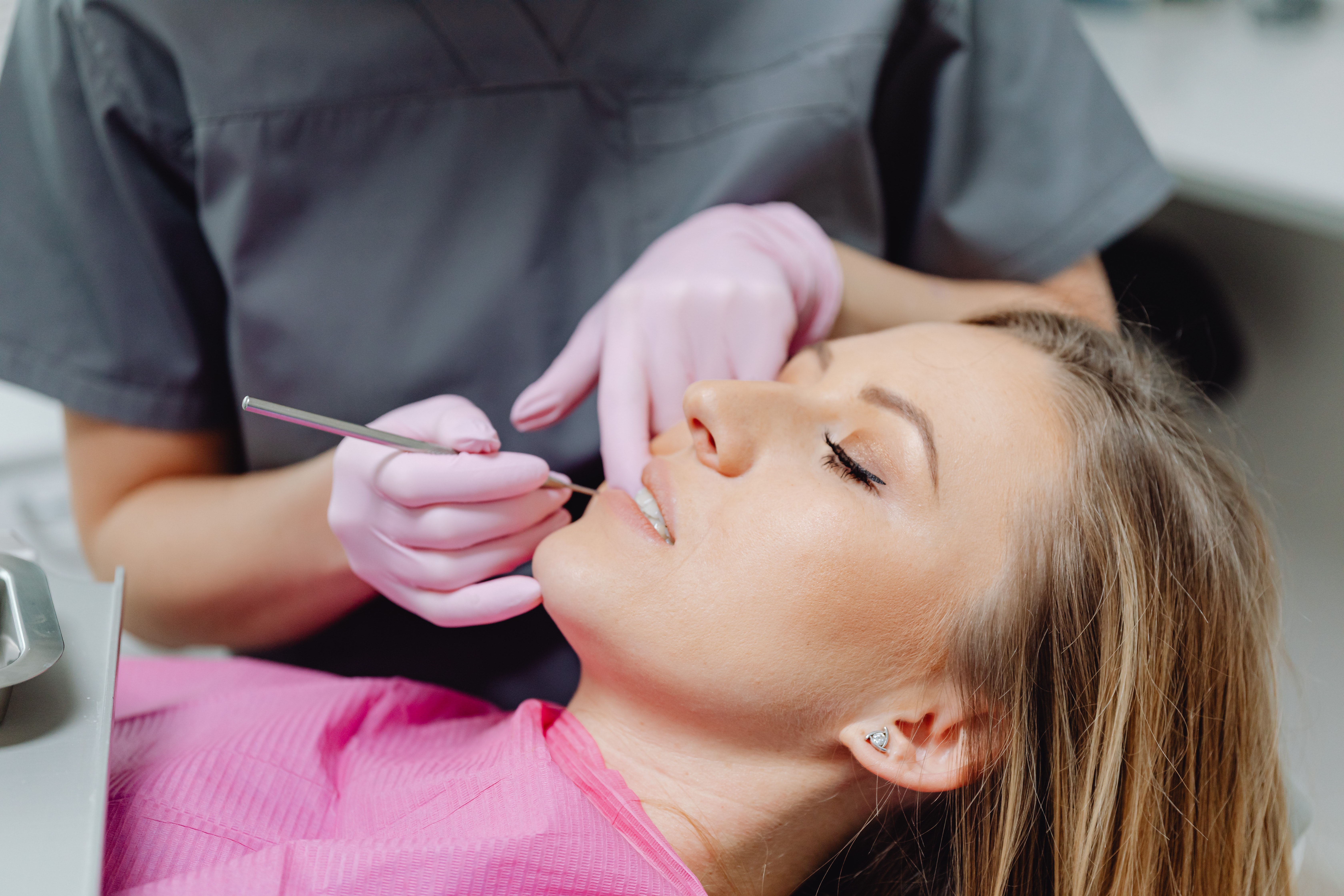
Dental anxiety is a common issue that affects many people, often leading to the avoidance of necessary dental care. Despite these fears, regular teeth cleanings are crucial for maintaining overall health and preventing issues like gum disease or cavities.
Deep cleaning, in particular, can be a cause for concern due to the potential for discomfort during and after the procedure. This leaves many patients wondering: “Does deep cleaning teeth hurt? If so, what can be done about it?”
Here’s what to expect at your next appointment and how to manage any discomfort at (or following) your visit.
Does Teeth Cleaning Hurt? Understanding Dental Fear
One common trigger is the fear of needles or injections. Many people experience anxiety at the thought of needles, which are often used for administering local anesthesia during dental procedures. This fear can be so intense that it deters individuals from seeking the dental care they need.
Another source of anxiety is sensitivity to instruments used in the mouth. The sensation of dental instruments may be uncomfortable or even painful for some patients. Sounds, vibrations, and pressure from these tools can heighten anxiety quite a bit, especially for those with sensitive teeth or gums.
Previous negative experiences with dental procedures also play a significant role in shaping dental anxiety. For example, a past encounter with an uncomfortable procedure might create a lasting fear, making future visits to the dentist seem extremely daunting.
Impact on Oral Health
Avoiding dental visits due to fear of pain or discomfort can have serious consequences for your oral health. This is because regular cleanings are essential for removing plaque and tartar buildup that contributes to conditions like gum disease. Without these cleanings, bacteria accumulate, causing inflammation, bleeding, and — eventually — varying stages of periodontal disease.
Routine dental check-ups are also key for the early detection of cavities. When dental visits are skipped, cavities may progress, leading to more extensive decay and the need for invasive treatments (i.e. root canals or tooth extractions).
Accommodations at Our Dental Office
At Sleep Dentistry, we are committed to creating a comfortable, stress-free environment to ensure that your experience is as pleasant as possible.
Pre-Treatment Consultations
Our #1 goal is to prioritize your comfort and peace of mind. We offer personalized pre-treatment consultations to discuss any fears and concerns you may have. Once our team understands your specific needs, we can tailor your treatment to ensure you feel at ease throughout your entire visit.
Pain Management Options
For patients with heightened anxiety, sleep dentistry is an excellent option! Dr. Kevin Mahoney is the only board-certified dental anesthesiologist in the Erie area, and he has decades of experience under his belt in helping patients of all ages receive treatment.
Our resident dental therapy dogs, Gizmo and Gadget, are also available before, during, and after your procedure to keep you company during this stressful time.
Comforting Office Environment
Need a space to decompress? Our office includes a dental spa room, where patients experiencing dental anxiety can escape into a relaxing environment. Sessions are available both before and after your treatment, with options for a massage chair and paraffin wax.
Experienced and Trained Staff
Our expert staff is continuously trained in handling patients with anxieties empathetically. We understand that dental visits can be stressful, and our team is trained to provide compassionate care. We’ll work with you every step of the way to ensure that you feel supported and understood throughout your appointment.
If Your Teeth Hurt After a Dental Cleaning
After a dental cleaning, it's normal to experience some mild discomfort. Here are some practical tips for managing any oral pain you might feel following your treatment.
Over-the-Counter Medications
Over-the-counter (OTC) pain relief medications like ibuprofen or acetaminophen can help manage any immediate pain or soreness. Be sure to follow the dosage instructions on the packaging and contact us if you have any concerns.
Home Remedies
Simple home remedies may also alleviate discomfort. Rinsing your mouth with a saltwater solution, for instance, reduces swelling and inflammation of the gum area. Additionally, using a soft-bristled toothbrush will prevent further irritation while maintaining your oral hygiene routine.
Dietary Adjustments
To avoid aggravating your gums and teeth, steer clear of hard or crunchy foods immediately after your cleaning. Opt for softer foods that are gentle on your mouth, instead. Yogurt, mashed potatoes, and smoothies are all good options for sensitive mouths.
Adjusting Your Oral Hygiene Routine
Continue to brush and floss regularly, but use gentle techniques to avoid irritation. Consider using a toothpaste designed for sensitive teeth to further reduce discomfort. Brush with light pressure and avoid vigorous scrubbing.
Follow-up with the Dentist
If you experience persistent discomfort or have any concerns following your cleaning, don't hesitate to reach out to our office! We can provide additional guidance and ensure that your recovery is progressing smoothly.
Conquer Your Dental Anxiety with Sleep Dentistry
Don't let fear get in the way of a healthy smile! Our team is here to support you with personalized treatment options that focus on your unique needs. Schedule an appointment today and take the first step towards better oral health with confidence!