

While it’s important to take care of your teeth, take care not neglect your gums! Your mouth hosts over 700 species of bacteria, some good and some bad. When the balance is disturbed (because of poor hygiene, poor diet, or genetics), plaque forms and gum tissue becomes inflamed. Inflamed gum tissue bleeds and may begin to recede or pull away from the teeth. This is the beginning of periodontal disease, which affects nearly half of adults 30 and older to some degree. Early diagnosis of periodontal disease by dental professionals during routine exams is crucial for patients, as it allows for timely intervention and referral to specialists if needed.
Gum health and general health are close relatives; periodontal disease is associated with a higher risk of developing a score of other health issues, from cardiovascular disease to diabetes to dementia. Scared yet? Don’t be. Learn how to prevent periodontal disease by observing a comprehensive dental care routine and regularly visiting your family dentist.
Recognizing Warning Signs
Knowing the warning signs of gum disease and other oral health issues can make all the difference in early detection and treatment. Watch for symptoms like:
- Bleeding gums when you brush or floss
- Persistent bad breath
- Swollen or tender gums
- Changes in how your teeth fit together when you bite
- Loose or sensitive teeth
- Gums that are receding from the teeth
These signs can indicate the early stages of periodontal disease, and if left untreated, the condition can progress to more advanced gum disease. If you or a family member experiences any of these symptoms, it’s important to schedule an appointment with your dentist as soon as possible. Early intervention can help prevent more serious dental problems and keep your mouth healthy.
Risk Factors for Oral Health Issues
Several factors can increase your risk of developing gum disease and other oral health problems. Poor oral hygiene is a leading cause, as failing to brush and floss daily allows plaque to build up on teeth and gums. Smoking and tobacco use are also major risk factors, making it harder for gum tissue to heal and increasing the likelihood of infection.
Health conditions like diabetes can affect your body’s ability to fight off infection, including in the mouth. Hormonal changes, such as those during pregnancy or menopause, can make gums more sensitive and prone to inflammation. Genetics, certain medications, and even stress can also play a role in your oral health. Understanding these risk factors can help you take steps to protect your gums and teeth, and your dentist can offer personalized advice for disease control and prevention.
Minimize Gum Irritation with Proper Brushing Technique
Brushing your teeth the right way can prevent a host of problems, but brushing improperly can cause them. First, assess your toothbrush. Look for soft-bristled models with the American Dental Association (ADA) stamp of approval, and be sure to replace your toothbrush every 3 months. Electric toothbrushes can provide additional cleaning power over standard brushes. It is essential to clean your teeth daily to maintain gum health and prevent gum disease as part of your family dental care routine.
Next, pay attention to how you brush your teeth. Using an ADA-approved sodium fluoride or stannous fluoride toothpaste, brush at a 45-degree angle, pressing gently and utilizing short strokes or small circles. Do not forget to brush the bite surfaces and behind the teeth; remember that teeth are 3-dimensional objects!

Cover the Gaps with the Proper Flossing Technique
Flossing can seem like a nuisance, but it is truly a vital part of any dental care routine. Even the best toothbrush cannot get into gaps between teeth and beneath the gum line, and those gaps can harbor the perfect conditions for bacteria to grow and begin to wreak havoc on your gums - warmth, darkness, and a high-quality food source (especially if your diet is high in simple sugars).
The American Dental Hygienists’ Association recommends working with an 18-inch strand of floss for each cleaning, using a clean section for each tooth. Use a zig-zag motion to insert the floss between teeth, and gently slide the floss up and down each tooth surface, wrapping around the tooth.
Mouthwash is Your Dental Care Cleanup Crew
While it’s no replacement for brushing and flossing, rinsing with an ADA-approved mouthwash is added insurance for a healthy mouth. It will wash away loose particles and kill off most lingering odors and disease-causing bacteria. Just avoid alcohol-based washes if your gums are already bleeding or irritated, as it can aggravate the tissue.

Don’t Skip the Dentist
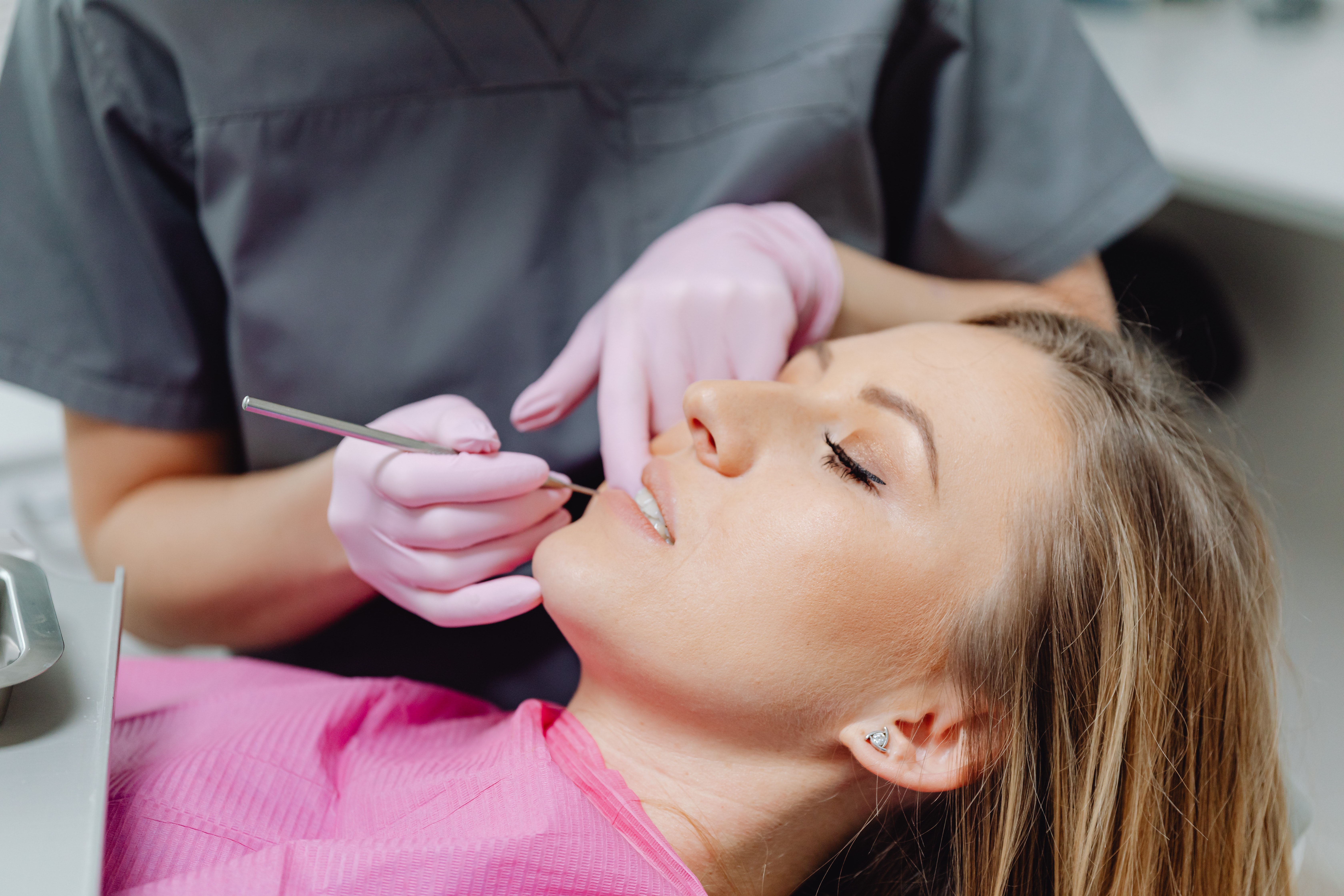
Even with the best dental care routine, there are certain things you just can’t get done at home. Professional teeth cleanings can remove tartar (hardened plaque) and further preserve your teeth and gums for the long haul. Your family dentist will be able to spot problems earlier and prevent a lot of pain, expense, and suffering down the road.
Dental visits can be a terrifying prospect for some, which makes Sleep Dentistry with Dr. Kevin Mahoney the perfect solution. See why sleep dentistry may be right for you and schedule an appointment today!