
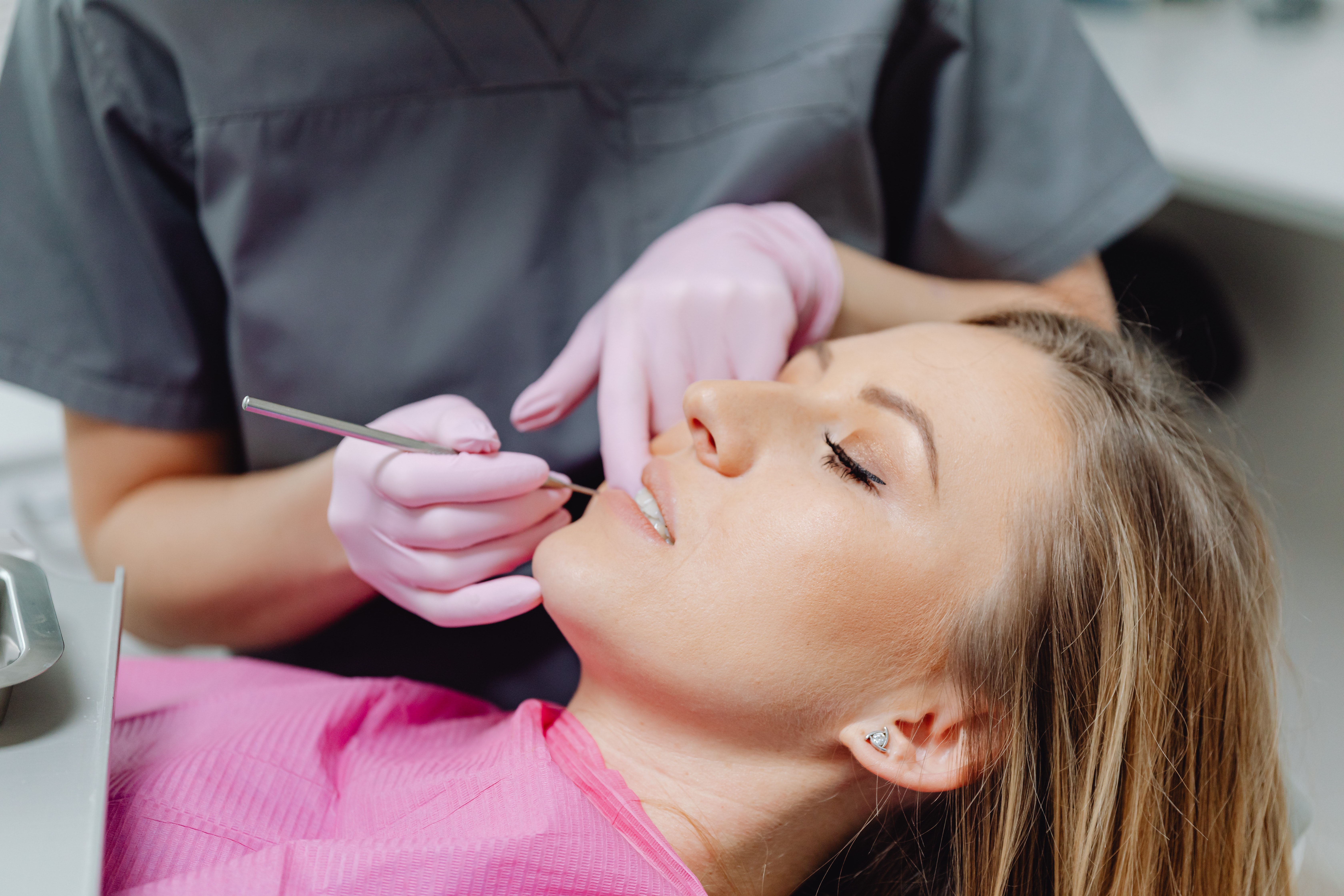

Dental Fillings in Erie, PA

Dental fillings are an easy way to treat holes, or cavities, that develop in a tooth, typically as a result of tooth decay. They restore the structure and function of damaged teeth. They also help prevent further decay. Sleep Dentistry is your best option for professionally installed dental fillings in Erie, PA – a procedure we are often able to complete in well under an hour.

Common types of dental fillings in Erie, PA

Dental fillings can be made from a variety of materials, each with its own advantages in terms of durability, cost, and aesthetics. Plus, if they are dental fillings for a child, then there are some materials that are more suitable than others. Your dentist will discuss the options with you and help you decide which type of filling is best for you.

Here are the most common materials used in making dental fillings in Erie, PA.

smiling couple

Composite fillings

These are tooth-colored fillings made of acrylic resin and either glass or quartz particles. They are durable but cost more than amalgam fillings. Composite fillings are natural-looking and suitable for use on both back and front teeth. This makes them a popular choice for dental fillings in Erie, PA and elsewhere. They work best in small to medium-sized cavities but take longer to install than amalgam fillings.

Gold fillings

Gold dental fillings are the most durable and most expensive type of filling. They were quite common in the past but their cost and the fact that they are not tooth-colored may have contributed to them becoming less popular. Many patients now place a good deal of emphasis on the aesthetic appeal of natural-looking teeth.

Schedule Appointment

Frequently Asked Questions

How long do dental fillings last?

Diligent dental hygiene can help extend the life of your fillings but, generally speaking, the lifespans of the different types of dental fillings are:

  • Gold fillings – 15 to 25 years
  • Amalgam fillings – 10 to 15 years
  • Composite fillings – 5 to 10 years
  • Ceramic fillings – 10 to 20 years
  • Glass ionomer fillings – 2.5 to 5 years
How do I know my dental fillings need replacing?

There are several indicators that your dental fillings may need replacing. You should schedule an appointment with your dentist to have your dental fillings checked if:

  • The filling has become loose, damaged, worn, or discolored.
  • You feel a sharp pain when you bite down on food.
  • You are experiencing heightened sensitivity to hot and cold foods and drinks. 
  • You have had recent facial trauma in the region of your filling.
Do dental fillings hurt?

No. The treatment causes little to no discomfort from start to finish. The dentist uses numbing agents so all you may feel is a slight sting in the beginning and then some discomfort, sensitivity, and mild pain afterward as the anesthetic starts to wear off. These disappear in one to two weeks.

Why would a dentist do a temporary filling?

Temporary fillings are much easier to put in than more permanent ones. Your dentist may decide to use one:

  • As an emergency treatment if your cavity is causing you severe pain and there isn’t time to do a permanent filling.
  • To seal your tooth while dental crowns are being prepared.
  • To allow you to heal after a root canal before a permanent filling is put in.

Where To Find Us 

📍 Address: 3915 Caughey Rd, Erie, PA 16506
 
📞 Phone:  (814) 833-3505
 

Recent Posts

How It’s Done: Sedation Dentistry vs. Sleep Dentistry

Posted on October 30th, 2020 at 1:23 PM
How It’s Done: Sedation Dentistry vs. Sleep Dentistry

In previous blog posts, we’ve defined sleep dentistry as distinct from sedation dentistry, in that it refers to procedures performed under dental general anesthesia. While dental general anesthesia may sound the same as sedatives, they have drastically different effects when administered. Here's a breakdown of the difference between sedation dentistry and sleep dentistry inductions. 

Breaking Down Sedation

Dental sedation is not so absolute. Most patients retain some level of consciousness and they can maintain vital functions independently, although some higher cognitive functions like speech and memory might be impaired. Even with deeper sedation, it is still possible to rouse the patient, although it may require an especially strong stimulus to do so. Sedation can be administered in one of three ways:

  1. Inhaled sedation: Nitrous oxide (AKA “laughing gas”) is delivered via a nasal hood as you continue to exhale through the mouth. Nitrous oxide has several physiological effects — it blocks neurotransmitters that cause anxiety; stimulates norepinephrine production (dulling your body’s pain signals), and lights up the pathway for dopamine release (one of your “happy” brain chemicals). It has few adverse side effects, takes effect and wears off quickly, and dosages can be adjusted easily on the fly. 
  2. Oral sedation: The patient takes a pill an hour before the dental procedure, with the sedative effect ranging from mild to moderate depending on the dose. The medication you will be prescribed belongs to a class of drugs called benzodiazepines, which are used to treat anxiety and insomnia — most commonly Halcion (triazolam) or Valium (diazepam).
  3. Intravenous sedation: Sedatives are delivered directly into the bloodstream to quickly induce relaxation and/or drowsiness. You may be in a "twilight" state (a state of short-term amnesia and painlessness) or fall asleep completely during this process.

general anesthesia and sleep dentistry

Breaking Down General Anesthesia

Sleep dentistry, or general dental anesthesia, utilizes any combination of intravenous or inhaled medications. General anesthesia is a state of total unconsciousness; you cannot awaken from it until its effects are reversed or wear off, and involuntary processes like breathing are controlled by a certified anesthesiologist during the procedure. The medications used during sleep dentistry fall into three categories:

  1. Analgesics: These drugs either suppress or eliminate your body’s pain response.
  2. Amnesia-inducing: Result in temporary memory loss and/or unconsciousness.
  3. Muscle relaxants: Relaxes muscles of the windpipe for intubation; crucial for supplying oxygen during the procedure and protecting lungs from blood and fluids. 

Research into anesthetics is ongoing, but it is believed they target proteins in cell membranes that affect neurotransmission and communication. Carefully balancing these medications and avoiding dangerous interactions is the essential work of a certified dental anesthesiologist (such as Dr. Kevin Mahoney), who will also constantly monitor heart rate, blood pressure, body temperature, breathing, and fluids during the procedure. 

Although it may seem like a lot to juggle, not to worry! General anesthesia is extremely safe, with a 99.97% success rate. If you or a loved one could benefit from sleep dentistry, don't hesitate to contact our office and schedule an appointment. 

REQUEST AN APPOINTMENT