

Let’s be honest — the dentist’s office is not the first place most people want to be. Nonetheless, an overwhelming majority would agree that routine dental care is an essential component of overall health. Although they may not exactly be excited about the prospect, many people dutifully schedule appointments to maintain their oral health, thus avoiding complications down the road.
Meanwhile, a significant minority of patients are simply overwhelmed by routine dental care. To some folks, even the prospect of an annual cleaning may send them running the other way. Dental anxiety describes apprehension towards dental settings, equipment, or professionals such that they would delay treatment until only when absolutely necessary. Dental phobia is dental anxiety in its most extreme form, when a person is so scared of the dentist’s office that they avoid it at all costs, even to their own pain or detriment.
Learning how to relax at the dentist is easier said than done — but through creating an environment of patience, compassion, and understanding, Sleep Dentistry can help overcome dental anxiety.
Dental anxiety symptoms and statistics
The Dental Fears Research Clinic at the University of Washington estimates that some 20% of patients experience dental anxiety, with between 5-8% suffering from dental phobia. Those affected will experience any combination of sweating, rapid heartbeat, low blood pressure, visible signs of panic, or withdrawal — in other words, disassociating from their fear through the use of humor or aggression. Triggers can include needles, drills, or the setting in general.
Who and what is responsible for dental anxiety?
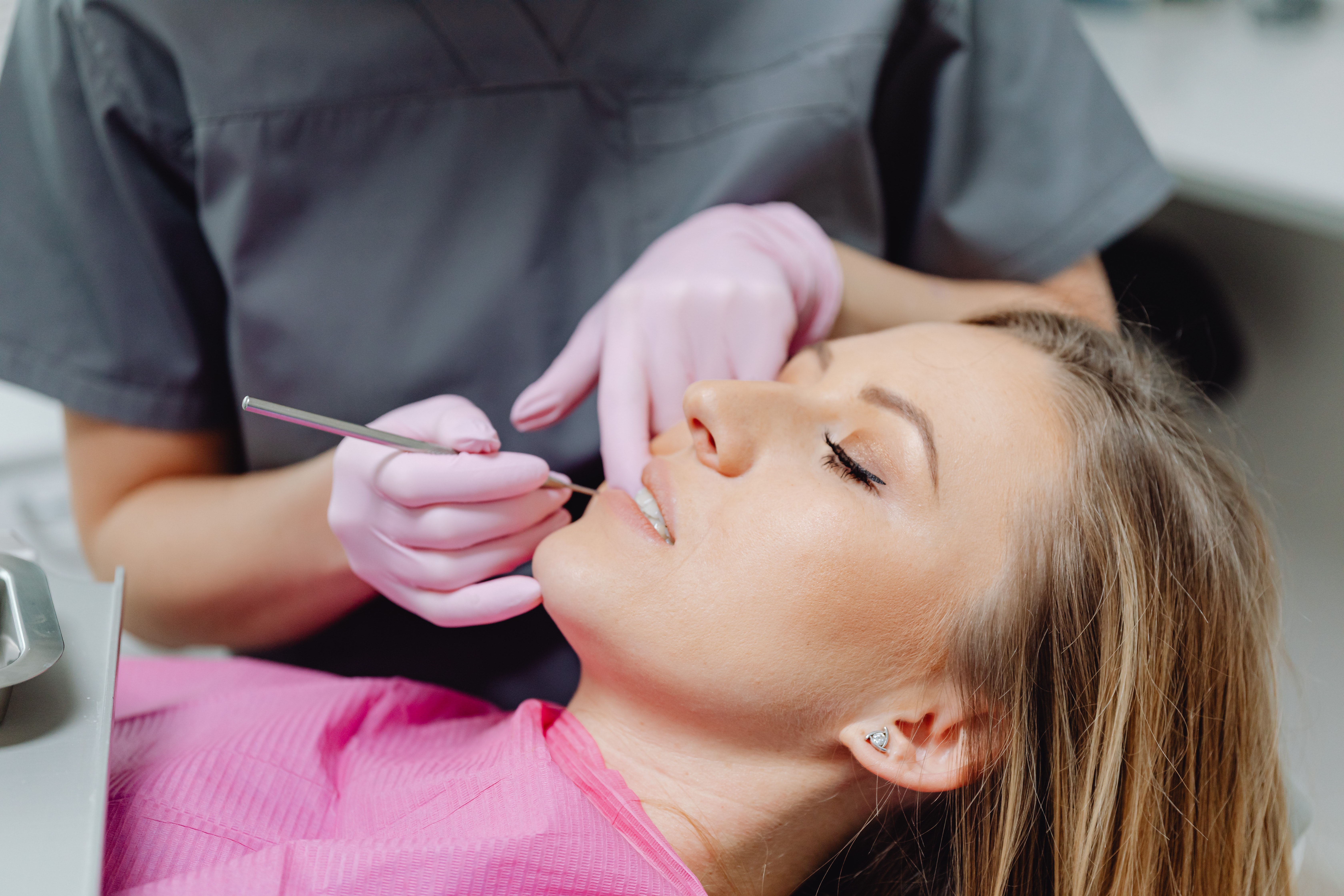
Before we can come anywhere near achieving a relaxed state at the dentist, we must pinpoint why we are so unsettled in the first place. Many patients cite a past traumatic dental or healthcare experience — and although that definitely has a direct correlation, what many fear most is a loss of control. Submitting to dental work by necessity places us in a vulnerable position. It’s natural to feel powerless when we are on our backs, unable to speak, with a flourish of hands and equipment operating above our open airway.
If you or a loved one is dealing with other mental health issues such as generalized anxiety, depression, or PTSD, showing up for your dental appointment can be that much more difficult.

Suggestions for patients
As a patient, remember that you have a right to be cared for with dignity and sensitivity toward your needs. You also have a responsibility to choose a dental professional that accommodates your individual needs and respects your tolerances. Take time to determine what aspects of dental care most cause you discomfort or unease, and be specific in communicating that to your dental professional. In the meantime, practicing mindfulness and meditation strategies like deep breathing or progressive muscle relaxation or seeking support from a friend or counselor can help you relax at the dentist.
Responsibilities of dentists
Ultimately, dentists must listen to what their patients need and ask the right questions. Remind patients that they do have control, and empower them to raise their hand if they need a break or are experiencing too much pain or discomfort. Throughout the procedure, calmly and thoroughly explain what the patient will feel and how long they will feel it. Providing pleasant distractions such as a TV or music can sometimes help the time go by quicker.
Sleep Dentistry can help mitigate dental anxiety
Sleep Dentistry is founded on the premise that going to the dentist doesn't have to be uncomfortable or result in panic. Over 40 million Americans risk developing severe health issues because they delay necessary dental treatments and procedures. With the use of safe and effective dental anesthesia, Sleep Dentistry can ease your dental anxiety. We can even perform several procedures while our patients are under anesthesia, which saves time and means even fewer visits! Dr. Kevin Mahoney has experience working with elderly patients, children, and special needs dental patients. We're sure that we can provide dental care you're comfortable with.
The right dentist for dental anxiety
In some cases, the best way to overcome dental anxiety or phobia is to sleep through it. If fear or pain is limiting the frequency of your dental visits, general anesthesia can be a safe, effective way to bypass your reservations and receive the care every person requires. Sleep Dentistry Erie with Dr. Kevin Mahoney helps put fear to rest. We are committed to your utmost comfort during dental procedures. No matter what level of dental anxiety you may have, Sleep Dentistry has a solution that will allow you to have dental work completed without any complications.