
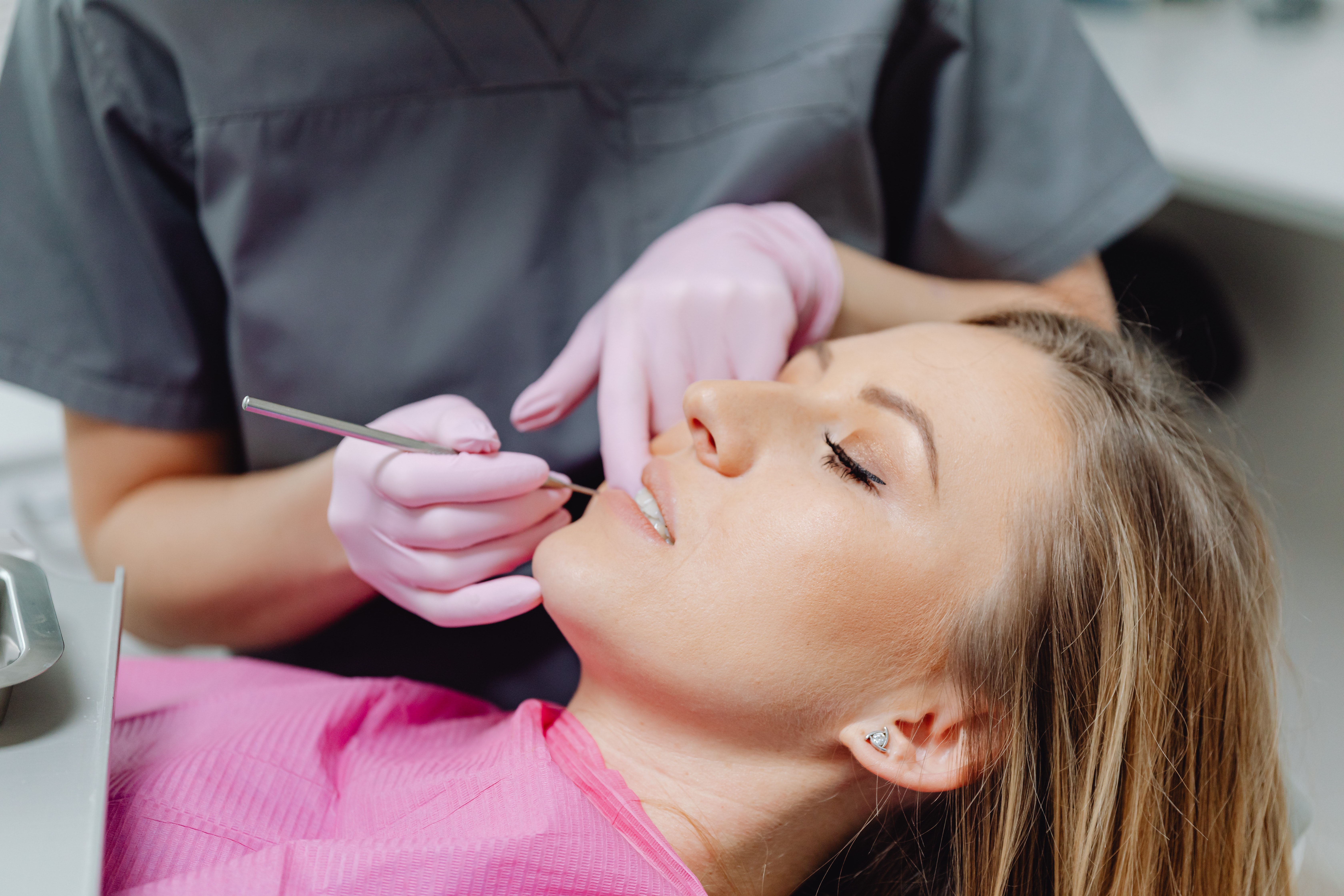

For decades there’s been a perception of dentists as evil doctors that inflict nothing but pain on their patients. Cartoons and movies with these themes have contributed to this inherent belief that all dentistry is traumatic and painful. Dental anxiety is so prevalent that over 40 million Americans would rather put themselves at risk of developing health issues than visit a dentist. That’s why we’ve created a range of dental treatment options that are right for you.
The pain-free option
There is no need to avoid your dentist any longer. At Sleep Dentistry Erie, we take care of your fear and anxiety. Dr. Kevin Mahoney is a highly qualified anesthesiologist. He has over 34 years of experience and is the only doctor to have an unrestricted general anesthesia permit in Erie, PA. With his knowledge, expertise, and our dedicated team you will not experience any pain whatsoever while getting the best possible treatment done.
Dental anxiety management options
Depending on your level of dental anxiety, we have several different dental anxiety management options to suggest to you.
Easing minimal to moderate anxiety
If you have little to no dental anxiety we have 3 suggestions for you:
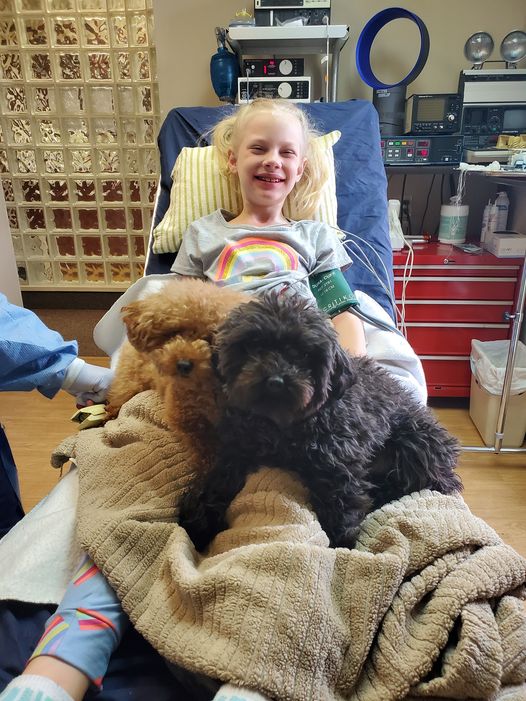
Dogtor Gizmo, our licensed dental therapy dog
This solution requires no medication — it’s a natural relaxant named Dogtor Gizmo. He’s a dedicated therapy dog that can hang out with you before, during, and after your dental treatments. This cuddly, non-judgmental fella is happy to sit in your lap and help you through the treatment. Says the man himself: “Not to boast, but dental therapy dogs like me come with several benefits, including: decreasing your blood pressure, boosting your mood, lowering your anxiety and stress, loosening you up to interact and socialize with staff.”
Soak up the atmosphere
Our dedicated, caring staff takes pride in creating a happy, wholesome atmosphere. Their main priority is keeping you calm and making you feel comfortable. They’re trained to be 100% there for you, 100% of the time, so you can squeeze their hand when you get nervous and ask them all the questions you need to for you to feel comfortable. Open communication and setting clear expectations can go a long way, even before any treatment is administered.
Topical sedation
Even if you’re not overly spooked by the sight or sound of dental equipment, it’s fairly normal to have some apprehension about experiencing pain or discomfort during treatment. Topical or local anesthesia (such as novocaine or lidocaine) numbs the site of the dental work while keeping fully awake and fully aware of your surroundings. After your procedure, you can continue with the day ahead. Your cheeks may feel a bit puffy and speaking may feel more difficult or strange, so we wouldn’t recommend doing this right before a presentation! The good news is that the numbness wears off an hour or so after the procedure.
Sleep dentistry
For high dental anxiety or dental phobia, sleep dentistry is our recommended treatment option. You are put under general anesthetic and are entirely unconscious until the end of the procedure. General anesthesia is extremely safe, with a 99.97 percent success rate. The dentist can perform numerous procedures in one visit, and anxiety will be entirely removed from the equation as you remain fast asleep. You won’t remember being treated by the dentist. It’s ideal for older patients and those with special needs. The cons are that you will need someone to drive you home from the practice and you will have to take the day off.
Schedule your next dentist appointment
All of our dental practices are 100% safe. Your comfort is our priority. With our well-rounded approach and highly qualified staff, we can assure you that your individual needs are met. Our dental approach will change the way you feel about dentistry forever. Routine check-ups will become a breeze once you realize that dentistry can be pain-free! Call us now to schedule an appointment and find out more about your dental anxiety treatment options.