
Dental Implants in Erie, PA

Dental implants are a restorative dental treatment for patients who have lost a tooth. Living with a missing tooth can cause oral health complications and make your days much more difficult. Dental implants are a long term solution that can replace your missing tooth and restore your smile. 


Dental implants comprise three distinct components: the implant post itself, an abutment, and a dental crown. The implant is made of titanium and acts as a replacement for your original tooth’s root. The implant is then attached to the abutment, which is what the crown sits on top of. Once the dental crown has been adhered to the abutment, you’ll be smiling like normal again!  Dental implants do require surgery to be inserted into your mouth completely. While this can be a scary thought, our team of dental professionals at Sleep Dentistry understands our patients’ concerns. That’s why we provide sleep dentistry, relaxation dentistry, and offer dental therapy dogs to comfort our patients so they can receive necessary dental care without any additional stress.

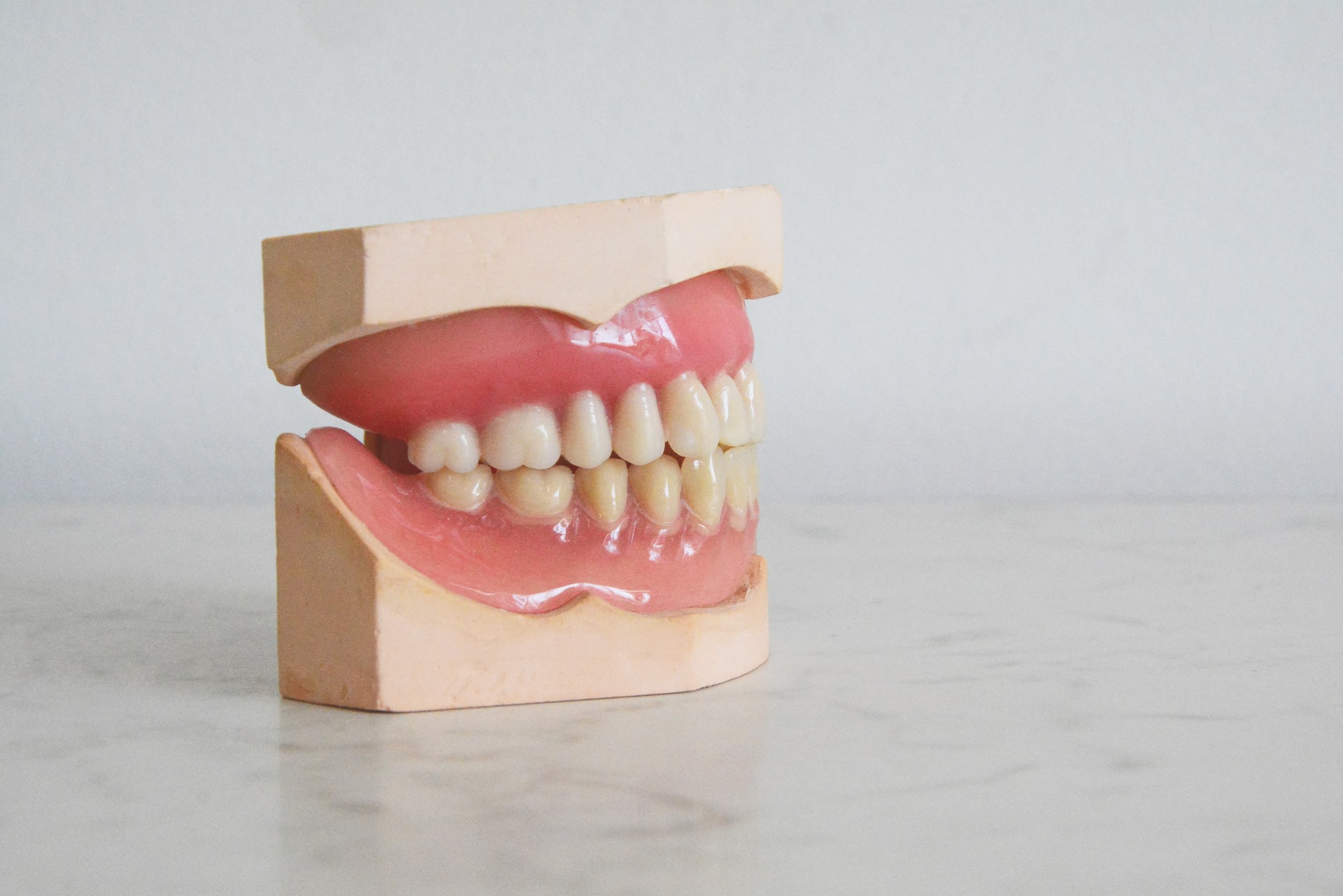
Mold of dental implants for Erie, PA patients

Who can get dental implants?

While dental implants can improve your oral health and the overall function of your mouth, there are reasons someone shouldn’t get dental implants. To be a good candidate for dental implants, you need to have a healthy jaw. Strong and healthy jawbones allow your dental implant to be supported properly, allowing it to last for as long as possible. Otherwise, you may suffer more oral health complications. Any signs of periodontal disease, gingivitis, and even bruxism can disqualify you from getting dental implants installed. 

Benefits of dental implants:

  • Enable you to eat normally
  • Improve your speech
  • Restore your mouth’s bite
  • Enhance the aesthetics of your smile
  • Prevent cavities
  • Stabilize adjacent teeth
  • Restore your confidence in your smile

Schedule an Appointment

Frequently Asked Questions About Dental Implants

What is the process for dental implants like?

Dental implants require patients to have x-rays completed of their teeth and jaw. You may also need the input of specialists to confirm that your bones are healthy and can support the implant. Dental implant surgery has a number of steps. Dr. Mahoney will start by making sure you’re comfortable and discuss your options for anesthesia. During the procedure, your dental implant will be inserted into the jawbone, the abutment will be placed, and then the crown will be added on top of the abutment.

How long do dental implants last?

When a dental implant is well maintained, it’s common for them to last a lifetime. Although it may be daunting to go into the dentist’s office for a comprehensive procedure, your oral health is important and cannot be neglected. Sleep Dentistry provides a comforting atmosphere and specialized services to ensure our patients leave happy and smiling.

How long does dental implant surgery take?

While the procedure itself can take a few hours, healing from dental implants can take longer, typically 3 months or more. It’s important that your implant heals properly so that you can experience the benefits of a full set of healthy teeth. Sleep Dentistry’s team will work with you to organize a recovery plan that you’re most comfortable with so you can get back to doing what you enjoy.

Does insurance typically cover dental implants?

Dental implants can be covered by insurance, but sometimes they’re not. If you’re looking for definitive answers, we recommend calling your insurance provider. Insurances sometimes classify dental implants as cosmetic, and for this reason, they may not cover them. If your insurance doesn’t cover the implant or procedure as a whole, they may cover the installation of a dental crown.

What is the recovery time for dental implants?

Recovery time for dental implants ranges and can take anywhere from 3 to 6 months. Although this seems like an unreasonable amount of time to recover, having dental implants installed can benefit your health more in the long run. Neglecting your dental health can seriously impact your overall health and well-being. You can rest assured that Sleep Dentistry’s team will work with you to develop a recovery plan that is best suited for you.

Why can’t you have dairy after having dental implants installed?

It’s not uncommon for dentists to recommend patients stay away from dairy after they’ve had dental implants installed. Dairy can cause inflammatory responses in your body’s tissues, including those within your mouth. It’s best to refrain from dairy products until you fully recover or until your dentist recommends when you can consume dairy again.

Where To Find Us 

📍 Address: 3915 Caughey Rd, Erie, PA 16506
 
📞 Phone:  (814) 833-3505
 

Recent Posts

Activated charcoal teeth whitening: what you should know

Posted on March 5th, 2019 at 9:18 AM
Activated charcoal teeth whitening: what you should know

As we scroll through our social media feeds, we can see there are plenty of new wellness trends that use activated charcoal, like facial scrubs, masks, and deep conditioning treatments for healthier hair. But have you noticed the activated charcoal toothpastes? These products are gaining popularity as people look for new ways of whitening teeth, and it's hard to ignore those selfies with the goofy blackened mouth. But is this type of teeth whitening treatment safe to use? With so many methods for whitening teeth trending online, it’s important to know the facts. Here’s what you should know before trying activated charcoal toothpaste!

Introduction to Tooth Whitening

Tooth whitening, also known as tooth bleaching, has become one of the most sought-after cosmetic dentistry procedures for those looking to achieve a brighter, more confident smile. This process works by using whitening treatments (often containing hydrogen peroxide or carbamide peroxide) to break down stains and discoloration on the tooth enamel.

With the growing popularity of whiter teeth, there are now countless tooth whitening products and methods available, from professional in-office whitening to over-the-counter kits and natural teeth whitening remedies like baking soda. While these options can help remove stains and lighten the natural shade of your teeth, it’s important to be aware of potential side effects, such as tooth sensitivity and gum irritation. Understanding the differences between these whitening treatments and how they interact with your tooth enamel can help you choose the safest, most effective way to whiten your teeth and maintain your oral health.

What is Activated Charcoal?

Charcoal is made of coal, wood, and other materials. When heated with a gas, it becomes active and porous, which means it’s able to absorb substances. It helps trap and get rid of unwanted toxins and chemicals in the body. This process can involve chemical degradation, where activated charcoal helps break down certain substances through chemical reactions. It’s very well known as a detoxifying agent.

Teeth Whitening Cosmetic Dentistry Erie, PA

Health Benefits of Activated Charcoal

The use of activated charcoal dates back several centuries as a remedy for numerous ailments. To this day, it is purported to possess many benefits (not all of them verified by science), including:

  1. Emergency poison control (due to its ability to bind to a variety of drugs and toxins)

  2. Kidney support (again, binding to toxins in the body, thus reducing the kidney’s filtration workload)

  3. Odor control

  4. Controlling cholesterol levels

  5. Treating bloating, gas, and diarrhea

  6. Filtering water

  7. Dermatological treatments

  8. Tooth whitening (sometimes used to address tooth stains by removing surface discolorations)

Research published in BMC Oral Health has explored the effects of activated charcoal on oral tissues and its potential for removing tooth stains.

Does Activated Charcoal Teeth Whitening Work?

Activated charcoal has become a trendy ingredient in tooth whitening products, from toothpastes to powders. Thanks to its highly porous nature, activated charcoal can adsorb surface stains and toxins from the tooth surface, which may help you achieve a whiter smile. However, the effectiveness of activated charcoal for teeth whitening is still up for debate.

While some people report that it helps remove stains and brighten their teeth, dental research has yet to confirm its long-term benefits or safety. Some studies suggest that the abrasive texture of activated charcoal could wear down tooth enamel over time, potentially leading to increased tooth sensitivity. If you’re considering using activated charcoal as part of your whitening process, it’s important to use these products as directed and talk to your dentist to make sure you’re protecting your enamel and overall oral health.

The Best Teeth Whitening Products and Treatments

You’ll always get better results if you go to your dentist for cosmetic dentistry treatments. If you want a long-lasting, bright smile, then contact Dr. Kevin Mahoney and his team. They’ll give your smile a sparkle it never had before! 

LEARN MORE