
Dental Implants in Erie, PA

Dental implants are a restorative dental treatment for patients who have lost a tooth. Living with a missing tooth can cause oral health complications and make your days much more difficult. Dental implants are a long term solution that can replace your missing tooth and restore your smile. 


Dental implants comprise three distinct components: the implant post itself, an abutment, and a dental crown. The implant is made of titanium and acts as a replacement for your original tooth’s root. The implant is then attached to the abutment, which is what the crown sits on top of. Once the dental crown has been adhered to the abutment, you’ll be smiling like normal again!  Dental implants do require surgery to be inserted into your mouth completely. While this can be a scary thought, our team of dental professionals at Sleep Dentistry understands our patients’ concerns. That’s why we provide sleep dentistry, relaxation dentistry, and offer dental therapy dogs to comfort our patients so they can receive necessary dental care without any additional stress.

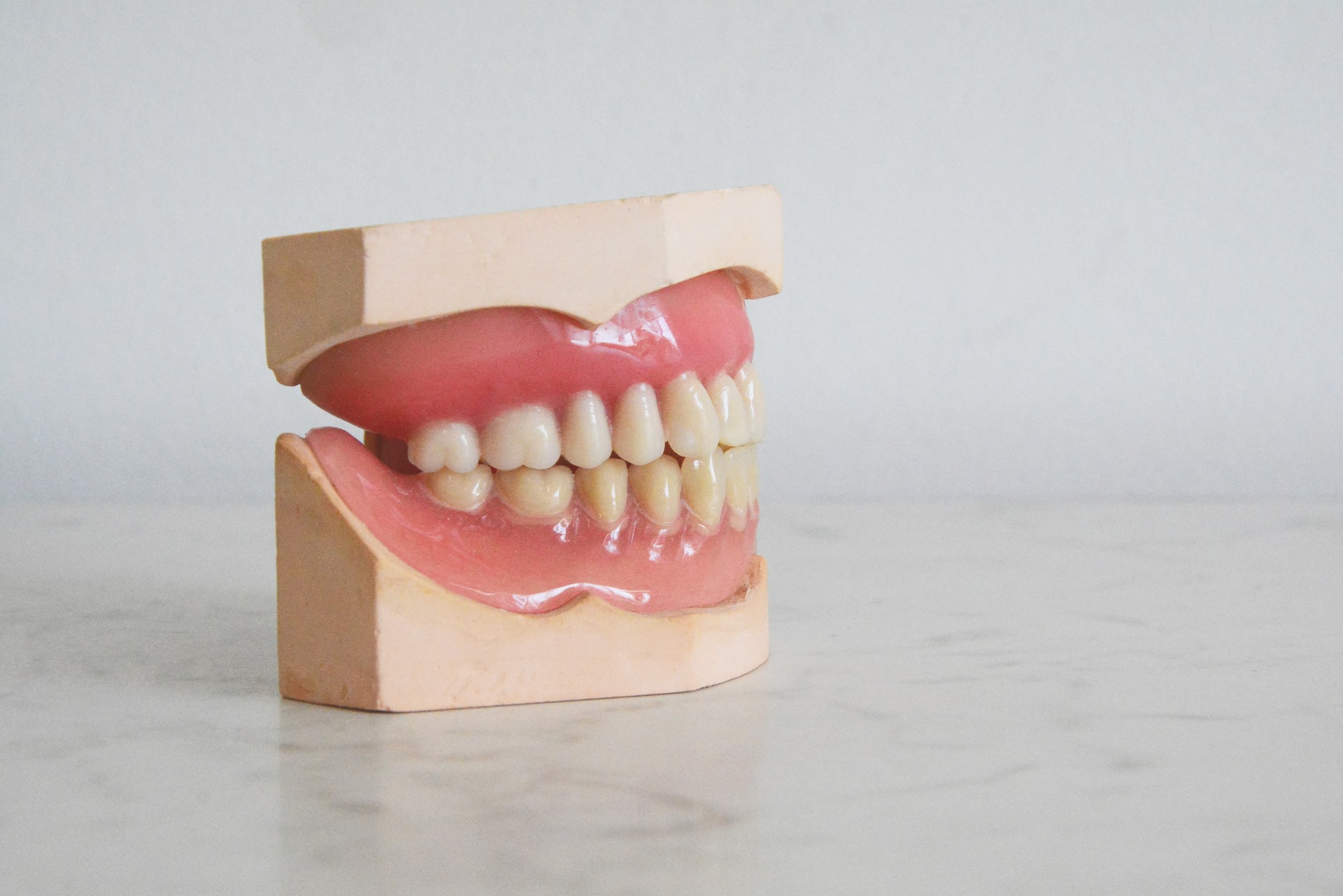
Mold of dental implants for Erie, PA patients

Who can get dental implants?

While dental implants can improve your oral health and the overall function of your mouth, there are reasons someone shouldn’t get dental implants. To be a good candidate for dental implants, you need to have a healthy jaw. Strong and healthy jawbones allow your dental implant to be supported properly, allowing it to last for as long as possible. Otherwise, you may suffer more oral health complications. Any signs of periodontal disease, gingivitis, and even bruxism can disqualify you from getting dental implants installed. 

Benefits of dental implants:

  • Enable you to eat normally
  • Improve your speech
  • Restore your mouth’s bite
  • Enhance the aesthetics of your smile
  • Prevent cavities
  • Stabilize adjacent teeth
  • Restore your confidence in your smile

Schedule an Appointment

Frequently Asked Questions About Dental Implants

What is the process for dental implants like?

Dental implants require patients to have x-rays completed of their teeth and jaw. You may also need the input of specialists to confirm that your bones are healthy and can support the implant. Dental implant surgery has a number of steps. Dr. Mahoney will start by making sure you’re comfortable and discuss your options for anesthesia. During the procedure, your dental implant will be inserted into the jawbone, the abutment will be placed, and then the crown will be added on top of the abutment.

How long do dental implants last?

When a dental implant is well maintained, it’s common for them to last a lifetime. Although it may be daunting to go into the dentist’s office for a comprehensive procedure, your oral health is important and cannot be neglected. Sleep Dentistry provides a comforting atmosphere and specialized services to ensure our patients leave happy and smiling.

How long does dental implant surgery take?

While the procedure itself can take a few hours, healing from dental implants can take longer, typically 3 months or more. It’s important that your implant heals properly so that you can experience the benefits of a full set of healthy teeth. Sleep Dentistry’s team will work with you to organize a recovery plan that you’re most comfortable with so you can get back to doing what you enjoy.

Does insurance typically cover dental implants?

Dental implants can be covered by insurance, but sometimes they’re not. If you’re looking for definitive answers, we recommend calling your insurance provider. Insurances sometimes classify dental implants as cosmetic, and for this reason, they may not cover them. If your insurance doesn’t cover the implant or procedure as a whole, they may cover the installation of a dental crown.

What is the recovery time for dental implants?

Recovery time for dental implants ranges and can take anywhere from 3 to 6 months. Although this seems like an unreasonable amount of time to recover, having dental implants installed can benefit your health more in the long run. Neglecting your dental health can seriously impact your overall health and well-being. You can rest assured that Sleep Dentistry’s team will work with you to develop a recovery plan that is best suited for you.

Why can’t you have dairy after having dental implants installed?

It’s not uncommon for dentists to recommend patients stay away from dairy after they’ve had dental implants installed. Dairy can cause inflammatory responses in your body’s tissues, including those within your mouth. It’s best to refrain from dairy products until you fully recover or until your dentist recommends when you can consume dairy again.

Where To Find Us 

📍 Address: 3915 Caughey Rd, Erie, PA 16506
 
📞 Phone:  (814) 833-3505
 

Recent Posts

Can It Wait? How Often Should You Get Your Teeth Cleaned?

Posted on June 24th, 2020 at 4:02 PM
Can It Wait? How Often Should You Get Your Teeth Cleaned?

For many dental patients, the question of “How often should I get my teeth cleaned?” could be more accurately phrased as “How seldom can I get away with it?” Most dentists recommend a professional teeth cleaning (AKA oral prophylaxis) every six months. That’s frequently enough to spot any suspicious developments early and to address any current problems before they become worse. With timely course correction, you could save thousands of dollars in future oral healthcare costs. Better yet, most private insurers cover the cost of two dental check-ups and cleanings annually, making it a financially viable choice as well. 

Of course, individual situations and needs may vary. If you drink water throughout the day, avoid snacking between meals (especially sugary ones), brush and floss daily, have never had a cavity or filling, and are otherwise healthy, you’re probably fine with just one dental visit a year. Conversely, if you’re a smoker, take medications (many of which contribute to dry mouth), suffer from a chronic health condition (e.g., diabetes), or wear a dental appliance, you may need to have your teeth cleaned more often, perhaps three or four times a year. 

It’s one thing to schedule cleanings during a normal year, but what about this year? Will you still be okay if your latest appointment is delayed due to COVID-19?

How quickly does plaque lead to tooth decay?

Plaque — the sticky, bacteria-laden film that forms on teeth after eating (especially foods high in the carbohydrates that fuel those bacteria) — can quickly cause problems if it’s not removed by brushing, flossing, and rinsing. In fact, within 48 hours, it will begin to harden into tartar (AKA dental calculus), which traps more food particles and plaque, weakening enamel and irritating gum tissue. Left alone too long, the buildup can lead to tooth decay, gingivitis, and periodontal disease (AKA gum disease). Dental calculus cannot be removed at home; it essentially must be power-washed away with specialized dental equipment.

COVID-19 and challenges to professional teeth cleanings 

In the past two months, the Pennsylvania Department of Health has revised its guidance for dental healthcare professionals to conditionally allow for non-emergent dental care — procedures that don’t address an immediate threat to life (dental emergency) or a situation that might entail serious complications if ignored (urgent dental care). If a practice is located in an area without evidence of community spread, it can resume operations under standard CDC precautions

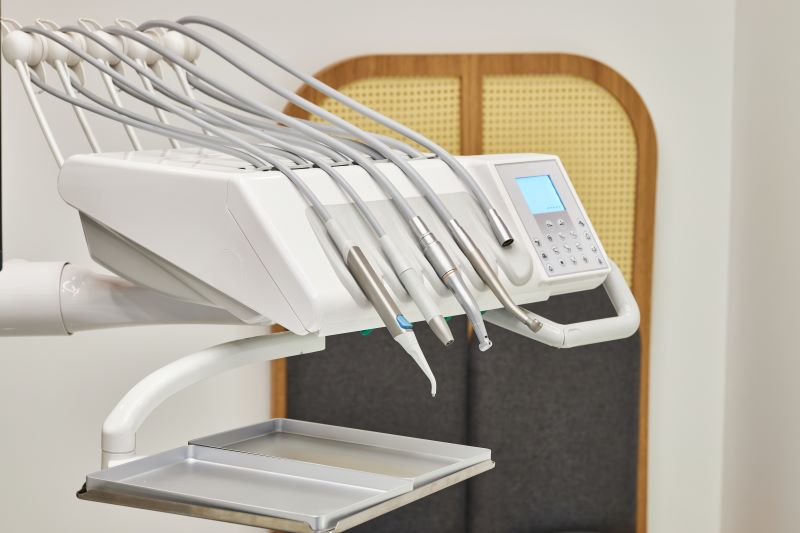
dental hygiene equipment

In an area with existent but minimal community transmission rates of COVID-19, such as Erie County, the CDC’s interim guidance recommends prioritizing patients at higher risk of complication if services were to be deferred. Devices that create an aerosol — airborne sprays or spatters — are only to be used when necessary. Some essential dental hygiene equipment, such as ultrasonic scalers (e.g. Cavitron) and air-water syringes, fall under this category. For all procedures — and especially those that could involve aerosolization — proper personal protective equipment such as N95 respirators, gloves, gowns, and face shields are required.

Rescheduling appointments at Sleep Dentistry

At Sleep Dentistry Erie with Dr. Kevin Mahoney, we recognize and embrace the full and comprehensive spectrum of dental care, from emergency root canals to routine teeth cleanings. As Erie County begins to reopen and adjust to the current reality, we are doing everything in our power to welcome our patients back safely. We’ll be cleaning and sanitizing more often, staggering appointments to limit the number of people simultaneously on-site, and confirming with our patients that they haven't experienced COVID-19 symptoms before seeing them.

If you’ve been wondering how often you should get your teeth cleaned and it’s been a while, then you’re probably due! We will be calling our previously registered and scheduled patients first, and will happily find appointment slots for new patients as safely and efficiently as possible. If the current health crisis has made you more nervous or anxious to visit the dentist than ever before, remember that we can render care under sedation or general anesthesia so you can relax or even sleep through it. As always, we’re here to help you through this. 

BECOME A PATIENT