

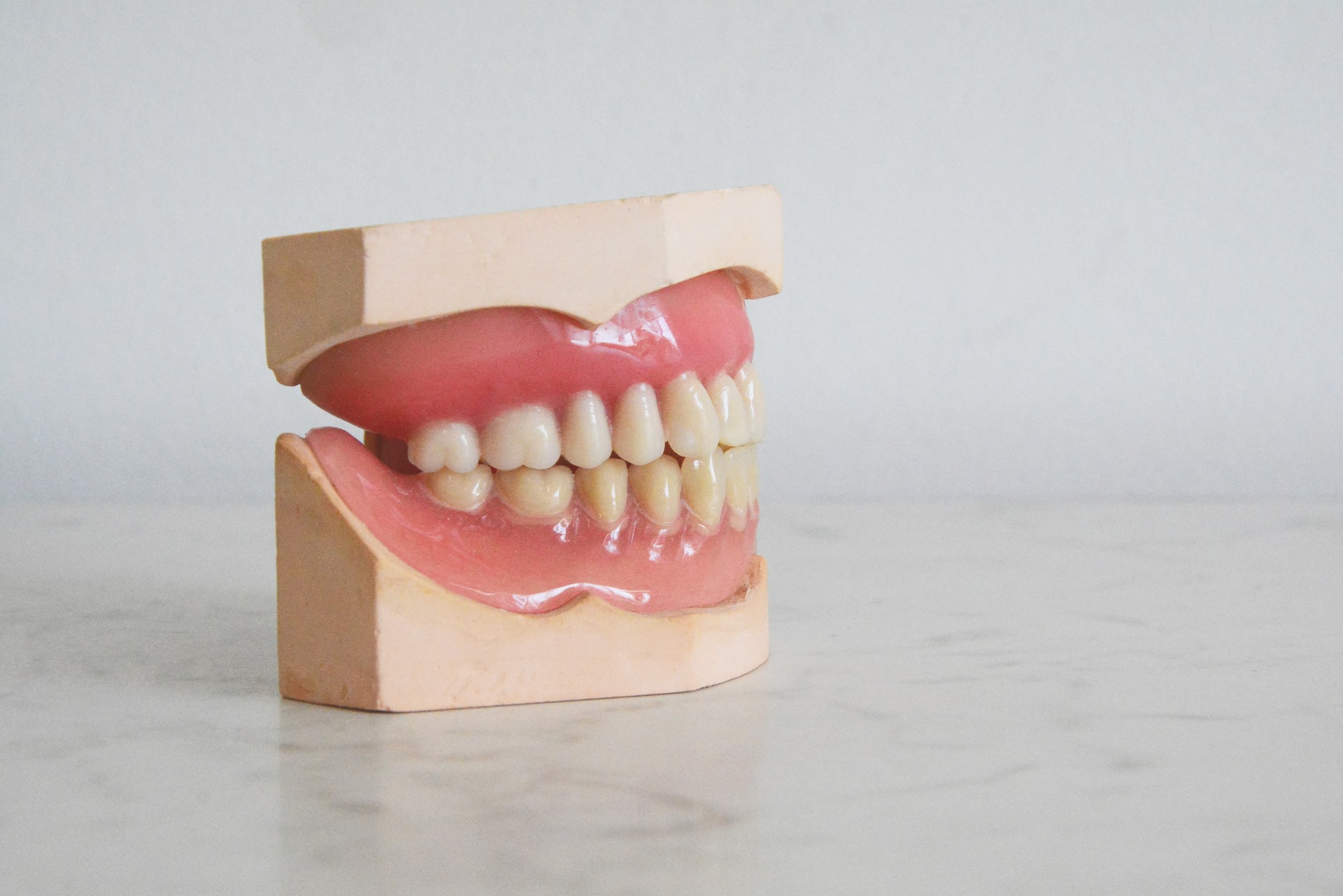

Yellowed and discolored teeth are one of the most common cosmetic dentistry issues that people experience during their lifetimes.
According to the Association of Healthcare Journalists, 1 in 3 Americans aged 50 to 64 is insecure about the appearance of their teeth.
However, smile insecurity is even more common for Americans aged 18 to 49 — almost half of the people surveyed by the American Dental Association in this age group reported feeling embarrassed about the state of their teeth and said they try to avoid smiling whenever possible.
Luckily, discoloration is one of the easier cosmetic dental issues to solve. Most people turn to whitening treatments (either at-home or professional teeth whitening) and get great results.
Dental veneers are another more drastic option that can give your smile a complete makeover, addressing other cosmetic issues in addition to discoloration.
What causes tooth discoloration?
Many factors can contribute to tooth discoloration, including aging, lifestyle, poor oral hygiene, dental trauma, medications, and even genetics.
Different types of discolored teeth can generally be divided into 3 categories:
- Yellowed/stained teeth
- Teeth with dark spots/brown spots
- Teeth with white spots
Different types of discoloration may be better candidates for whitening vs veneers than others, so let’s take a closer look at the above categories.
Yellowing/staining
A certain amount of yellowing is normal as people age, but other factors can cause your teeth to become discolored more quickly.
Yellowing occurs as the tooth enamel wears away because of aging, dietary habits, and other lifestyle habits, such as smoking. Teeth can also become stained over time from drinking beverages like coffee, tea, and red wine.
Fortunately, yellowed and stained teeth are great candidates for teeth whitening treatments! Patients usually see very noticeable results after using professional-grade whitening treatments to brighten their smiles.
Dark spots/brown spots
Spots on your teeth are usually caused by some sort of dental trauma or a hard impact on the surface of your teeth. Certain types of medication can also cause spots to develop.
Spotted teeth are typically harder to fix with teeth whitening treatments, and often require porcelain veneers to cover up the discoloration.
White spots
Teeth can also develop white spots on the surface of the teeth, which happens because of excessive exposure to fluoride while the teeth are developing.
White spots may be blended in with the color of the rest of the teeth using dental whitening treatments, but they sometimes require a different cosmetic dental treatment, such as veneers.

How does whitening combat tooth discoloration?
Professional teeth whitening treatments use specialized dental-grade bleaching gels that contain either hydrogen peroxide or carbamide peroxide.
When the gel sits on your teeth for the prescribed amount of time, it penetrates the enamel and breaks down the stains, brightening your smile. Heat and/or light may also be used to speed up and intensify the whitening process.
When you first start a teeth whitening treatment plan, you usually have to do several 30- to 60-minute whitening sessions to see results. Many people see their teeth whitened by 3 to 8 shades after the initial procedures.
It’s important to note that your teeth won’t stay permanently white after using teeth-whitening gels. They will still be yellow and stain at the same rate as before. To keep your smile dazzling, you should schedule regular treatments every 3 to 6 months.
When (and why) teeth whitening might not work for you
During a dental whitening procedure, some tooth sensitivity is normal and is completely bearable for most people. However, if you have extremely sensitive teeth, the process might not be the best choice for you.
As we mentioned earlier, dark spots or brown spots usually can’t be whitened as easily as other types of discoloration can.
Teeth whitening gels also don’t work on porcelain veneers, dental crowns and bridges, dental implants, or tooth-colored fillings. In other words, they only work on natural teeth.
Finally, some people naturally have more yellow teeth because of their genetics. In this case, their teeth might not respond as well to whitening treatments.
Complete smile makeover with veneers
If teeth whitening procedures don’t work for you, or you have other cosmetic dental issues that you want to address as well, dental veneers may be a good option.
Dental veneers are ultra-thin, tooth-colored porcelain shells that are custom-made to fit over your existing teeth. They can be used to mask discoloration, as well as chipped or worn teeth, large gaps or uneven spacing, and crooked or misshapen teeth.
Porcelain veneers can give your smile a total makeover! This makes them an excellent choice if you’re feeling self-conscious about the state of your teeth because of more than just discoloration.
And, whereas you have to keep up with teeth whitening treatments to maintain a bright smile, veneers are a more permanent option. They are highly resistant to staining and remain nice and white for their lifetime, which is generally up to 15 years.
Keep your cosmetic dental options open with Dr. Kevin Mahoney
Dr. Kevin Mahoney has more than 34 years in practice and provides both dental whitening treatments and complete smile makeovers with veneers.
He is passionate not only about improving his patients’ oral health but about making it easier and more comfortable for people with dental anxiety or phobia to make a trip to the dentist.
Do you wish you could smile with more confidence, but you’ve been putting off cosmetic dental procedures because you’re nervous about seeing a dentist?
Dr. Mahoney is here to help you get the dazzling smile you’ve been missing, in the quickest, most comfortable way possible.
Give us a call today to schedule an appointment and we’ll help you choose the perfect cosmetic treatment for you and your teeth.