
Dental Implants in Erie, PA

Dental implants are a restorative dental treatment for patients who have lost a tooth. Living with a missing tooth can cause oral health complications and make your days much more difficult. Dental implants are a long term solution that can replace your missing tooth and restore your smile. 


Dental implants comprise three distinct components: the implant post itself, an abutment, and a dental crown. The implant is made of titanium and acts as a replacement for your original tooth’s root. The implant is then attached to the abutment, which is what the crown sits on top of. Once the dental crown has been adhered to the abutment, you’ll be smiling like normal again!  Dental implants do require surgery to be inserted into your mouth completely. While this can be a scary thought, our team of dental professionals at Sleep Dentistry understands our patients’ concerns. That’s why we provide sleep dentistry, relaxation dentistry, and offer dental therapy dogs to comfort our patients so they can receive necessary dental care without any additional stress.

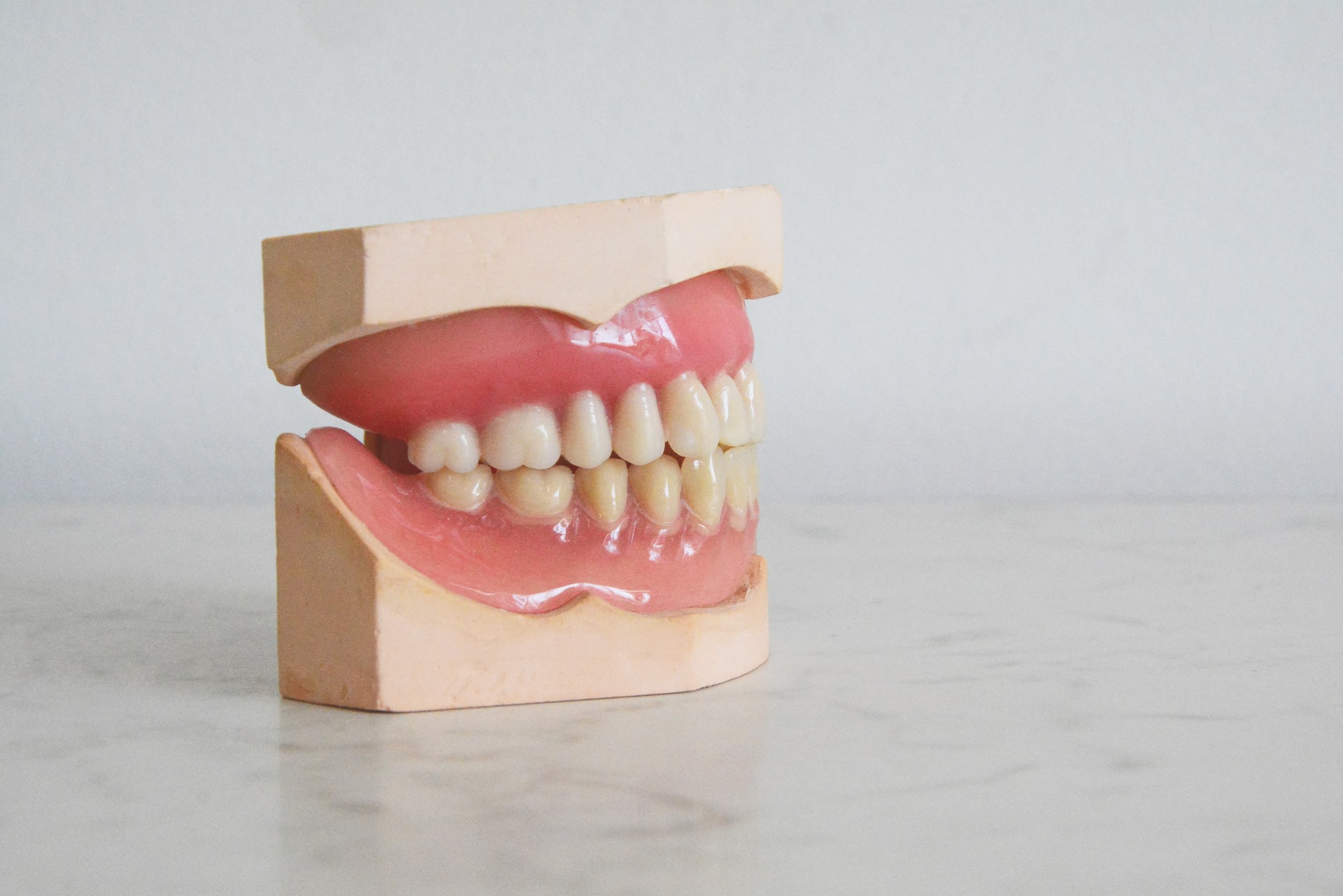
Mold of dental implants for Erie, PA patients

Who can get dental implants?

While dental implants can improve your oral health and the overall function of your mouth, there are reasons someone shouldn’t get dental implants. To be a good candidate for dental implants, you need to have a healthy jaw. Strong and healthy jawbones allow your dental implant to be supported properly, allowing it to last for as long as possible. Otherwise, you may suffer more oral health complications. Any signs of periodontal disease, gingivitis, and even bruxism can disqualify you from getting dental implants installed. 

Benefits of dental implants:

  • Enable you to eat normally
  • Improve your speech
  • Restore your mouth’s bite
  • Enhance the aesthetics of your smile
  • Prevent cavities
  • Stabilize adjacent teeth
  • Restore your confidence in your smile

Schedule an Appointment

Frequently Asked Questions About Dental Implants

What is the process for dental implants like?

Dental implants require patients to have x-rays completed of their teeth and jaw. You may also need the input of specialists to confirm that your bones are healthy and can support the implant. Dental implant surgery has a number of steps. Dr. Mahoney will start by making sure you’re comfortable and discuss your options for anesthesia. During the procedure, your dental implant will be inserted into the jawbone, the abutment will be placed, and then the crown will be added on top of the abutment.

How long do dental implants last?

When a dental implant is well maintained, it’s common for them to last a lifetime. Although it may be daunting to go into the dentist’s office for a comprehensive procedure, your oral health is important and cannot be neglected. Sleep Dentistry provides a comforting atmosphere and specialized services to ensure our patients leave happy and smiling.

How long does dental implant surgery take?

While the procedure itself can take a few hours, healing from dental implants can take longer, typically 3 months or more. It’s important that your implant heals properly so that you can experience the benefits of a full set of healthy teeth. Sleep Dentistry’s team will work with you to organize a recovery plan that you’re most comfortable with so you can get back to doing what you enjoy.

Does insurance typically cover dental implants?

Dental implants can be covered by insurance, but sometimes they’re not. If you’re looking for definitive answers, we recommend calling your insurance provider. Insurances sometimes classify dental implants as cosmetic, and for this reason, they may not cover them. If your insurance doesn’t cover the implant or procedure as a whole, they may cover the installation of a dental crown.

What is the recovery time for dental implants?

Recovery time for dental implants ranges and can take anywhere from 3 to 6 months. Although this seems like an unreasonable amount of time to recover, having dental implants installed can benefit your health more in the long run. Neglecting your dental health can seriously impact your overall health and well-being. You can rest assured that Sleep Dentistry’s team will work with you to develop a recovery plan that is best suited for you.

Why can’t you have dairy after having dental implants installed?

It’s not uncommon for dentists to recommend patients stay away from dairy after they’ve had dental implants installed. Dairy can cause inflammatory responses in your body’s tissues, including those within your mouth. It’s best to refrain from dairy products until you fully recover or until your dentist recommends when you can consume dairy again.

Where To Find Us 

📍 Address: 3915 Caughey Rd, Erie, PA 16506
 
📞 Phone:  (814) 833-3505
 

Recent Posts

How It’s Done: Sedation Dentistry vs. Sleep Dentistry

Posted on October 30th, 2020 at 1:23 PM
How It’s Done: Sedation Dentistry vs. Sleep Dentistry

In previous blog posts, we’ve defined sleep dentistry as distinct from sedation dentistry, in that it refers to procedures performed under dental general anesthesia. While dental general anesthesia may sound the same as sedatives, they have drastically different effects when administered. Here's a breakdown of the difference between sedation dentistry and sleep dentistry inductions. 

Breaking Down Sedation

Dental sedation is not so absolute. Most patients retain some level of consciousness and they can maintain vital functions independently, although some higher cognitive functions like speech and memory might be impaired. Even with deeper sedation, it is still possible to rouse the patient, although it may require an especially strong stimulus to do so. Sedation can be administered in one of three ways:

  1. Inhaled sedation: Nitrous oxide (AKA “laughing gas”) is delivered via a nasal hood as you continue to exhale through the mouth. Nitrous oxide has several physiological effects — it blocks neurotransmitters that cause anxiety; stimulates norepinephrine production (dulling your body’s pain signals), and lights up the pathway for dopamine release (one of your “happy” brain chemicals). It has few adverse side effects, takes effect and wears off quickly, and dosages can be adjusted easily on the fly. 
  2. Oral sedation: The patient takes a pill an hour before the dental procedure, with the sedative effect ranging from mild to moderate depending on the dose. The medication you will be prescribed belongs to a class of drugs called benzodiazepines, which are used to treat anxiety and insomnia — most commonly Halcion (triazolam) or Valium (diazepam).
  3. Intravenous sedation: Sedatives are delivered directly into the bloodstream to quickly induce relaxation and/or drowsiness. You may be in a "twilight" state (a state of short-term amnesia and painlessness) or fall asleep completely during this process.

general anesthesia and sleep dentistry

Breaking Down General Anesthesia

Sleep dentistry, or general dental anesthesia, utilizes any combination of intravenous or inhaled medications. General anesthesia is a state of total unconsciousness; you cannot awaken from it until its effects are reversed or wear off, and involuntary processes like breathing are controlled by a certified anesthesiologist during the procedure. The medications used during sleep dentistry fall into three categories:

  1. Analgesics: These drugs either suppress or eliminate your body’s pain response.
  2. Amnesia-inducing: Result in temporary memory loss and/or unconsciousness.
  3. Muscle relaxants: Relaxes muscles of the windpipe for intubation; crucial for supplying oxygen during the procedure and protecting lungs from blood and fluids. 

Research into anesthetics is ongoing, but it is believed they target proteins in cell membranes that affect neurotransmission and communication. Carefully balancing these medications and avoiding dangerous interactions is the essential work of a certified dental anesthesiologist (such as Dr. Kevin Mahoney), who will also constantly monitor heart rate, blood pressure, body temperature, breathing, and fluids during the procedure. 

Although it may seem like a lot to juggle, not to worry! General anesthesia is extremely safe, with a 99.97% success rate. If you or a loved one could benefit from sleep dentistry, don't hesitate to contact our office and schedule an appointment. 

REQUEST AN APPOINTMENT