

Dental Implants in Erie, PA

Dental implants are a restorative dental treatment for patients who have lost a tooth. Living with a missing tooth can cause oral health complications and make your days much more difficult. Dental implants are a long term solution that can replace your missing tooth and restore your smile. 


Dental implants comprise three distinct components: the implant post itself, an abutment, and a dental crown. The implant is made of titanium and acts as a replacement for your original tooth’s root. The implant is then attached to the abutment, which is what the crown sits on top of. Once the dental crown has been adhered to the abutment, you’ll be smiling like normal again!  Dental implants do require surgery to be inserted into your mouth completely. While this can be a scary thought, our team of dental professionals at Sleep Dentistry understands our patients’ concerns. That’s why we provide sleep dentistry, relaxation dentistry, and offer dental therapy dogs to comfort our patients so they can receive necessary dental care without any additional stress.

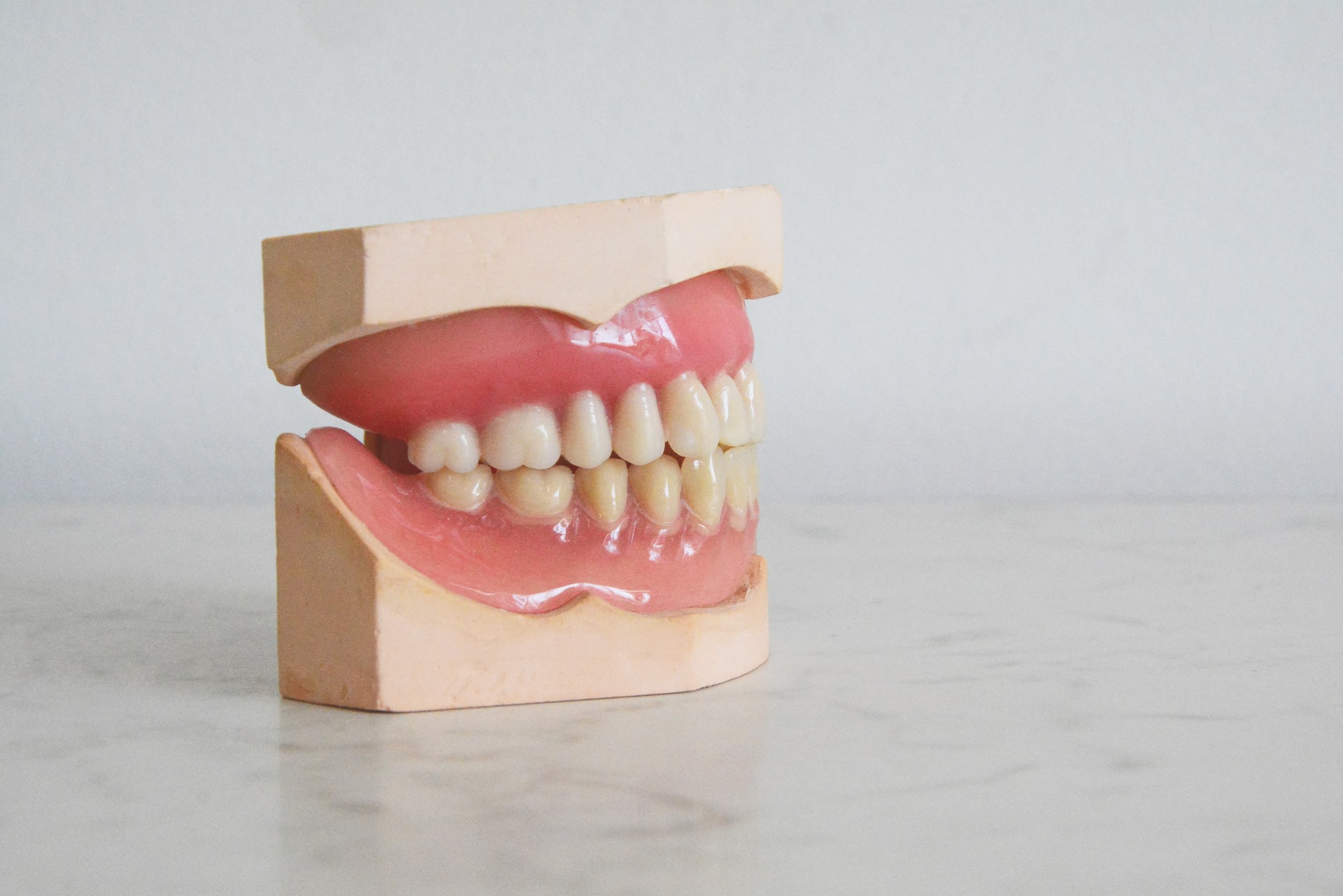
Mold of dental implants for Erie, PA patients

Who can get dental implants?

While dental implants can improve your oral health and the overall function of your mouth, there are reasons someone shouldn’t get dental implants. To be a good candidate for dental implants, you need to have a healthy jaw. Strong and healthy jawbones allow your dental implant to be supported properly, allowing it to last for as long as possible. Otherwise, you may suffer more oral health complications. Any signs of periodontal disease, gingivitis, and even bruxism can disqualify you from getting dental implants installed. 

Benefits of dental implants:

  • Enable you to eat normally
  • Improve your speech
  • Restore your mouth’s bite
  • Enhance the aesthetics of your smile
  • Prevent cavities
  • Stabilize adjacent teeth
  • Restore your confidence in your smile

Schedule an Appointment

Frequently Asked Questions About Dental Implants

What is the process for dental implants like?

Dental implants require patients to have x-rays completed of their teeth and jaw. You may also need the input of specialists to confirm that your bones are healthy and can support the implant. Dental implant surgery has a number of steps. Dr. Mahoney will start by making sure you’re comfortable and discuss your options for anesthesia. During the procedure, your dental implant will be inserted into the jawbone, the abutment will be placed, and then the crown will be added on top of the abutment.

How long do dental implants last?

When a dental implant is well maintained, it’s common for them to last a lifetime. Although it may be daunting to go into the dentist’s office for a comprehensive procedure, your oral health is important and cannot be neglected. Sleep Dentistry provides a comforting atmosphere and specialized services to ensure our patients leave happy and smiling.

How long does dental implant surgery take?

While the procedure itself can take a few hours, healing from dental implants can take longer, typically 3 months or more. It’s important that your implant heals properly so that you can experience the benefits of a full set of healthy teeth. Sleep Dentistry’s team will work with you to organize a recovery plan that you’re most comfortable with so you can get back to doing what you enjoy.

Does insurance typically cover dental implants?

Dental implants can be covered by insurance, but sometimes they’re not. If you’re looking for definitive answers, we recommend calling your insurance provider. Insurances sometimes classify dental implants as cosmetic, and for this reason, they may not cover them. If your insurance doesn’t cover the implant or procedure as a whole, they may cover the installation of a dental crown.

What is the recovery time for dental implants?

Recovery time for dental implants ranges and can take anywhere from 3 to 6 months. Although this seems like an unreasonable amount of time to recover, having dental implants installed can benefit your health more in the long run. Neglecting your dental health can seriously impact your overall health and well-being. You can rest assured that Sleep Dentistry’s team will work with you to develop a recovery plan that is best suited for you.

Why can’t you have dairy after having dental implants installed?

It’s not uncommon for dentists to recommend patients stay away from dairy after they’ve had dental implants installed. Dairy can cause inflammatory responses in your body’s tissues, including those within your mouth. It’s best to refrain from dairy products until you fully recover or until your dentist recommends when you can consume dairy again.

Where To Find Us 

📍 Address: 3915 Caughey Rd, Erie, PA 16506
 
📞 Phone:  (814) 833-3505
 

Recent Posts

Pediatric Dentistry vs. General Dentistry: What’s the Difference?

Posted on January 18th, 2021 at 9:35 AM
Pediatric Dentistry vs. General Dentistry: What’s the Difference?

Have you ever wondered what the difference is between pediatric dentistry vs general dentistry? You’re probably aware that pediatric dentists specialize in working with children and the developing mouth. That’s not to say that general dentists do not work with young patients or aren’t familiar with these subjects — however, their focus is much broader. A pediatric dentist receives additional training to provide an office experience and care more specifically catered to children and adolescents. 

Who can be considered a pediatric patient?

According to the FDA, a pediatric patient is an individual 21 or younger. One detail that distinguishes pediatric dentistry from general dentistry is that a pediatric dentist exclusively works with those 21 and younger. Pediatric patients are categorized into the following subdivisions: neonates, infants, children, and adolescents.

The different ages can be categorized as follows:

  • Neonates - from birth through the first 28 days of life 
  • Infants - 29 days to less than 2 years
  • Children - 2 years to less than 12 years
  • Adolescents - aged 12 through 21 

The American Academy of Pediatric Dentistry (AAPD) recommends that children should start seeing a pediatric dentist as early as six months. As a parent, you should not wait until your child's first birthday. During the first year of your baby's life, their teeth will come in. A pediatric dentist will examine the health of your child’s first few teeth. It is recommended that a child should visit the dentist every six months.

Becoming a pediatric dentist

Becoming a pediatric dentist is not easy. Children's teeth require a lot of work. As such, there are a few extra steps involved in getting certified in pediatric dentistry vs general dentistry. There is much to know about the development of the mouth (such as the eruption of teeth) and the nuances of caring for young patients, who may be fidgety, fickle, or even defiant. This translates into years of additional study.

As soon as someone realizes that they want to become a licensed pediatric dentist, their path will start as an undergraduate. Pediatric students need to work hard to keep their marks high and work their way up the ladder. It takes a few years of college before you can move on. After college, they proceed to dental school and follow up with a residency program.

Pediatric dentistry focuses

Pediatric dentists have several common challenges they work through every day, most of which naturally come with the developing mouth. Their responsibilities include but are not limited to: the examination of jawbones, gum tissue, and teeth, x-ray scanning, oral surgery, repair and treatment of dental cavities, and initial dental examinations.

The foremost role of a pediatric dentist is preventative dentistry. It is their job to educate children from a young age on their daily teeth-cleaning routines and habits. If patients are not taught from a younger age, they tend to have more and more serious dental problems as they grow older. Scheduling regular dental appointments and checkups also normalizes the experience and minimizes the chance of major (painful) issues developing, which are the kind of things that can lead to dental anxiety or phobias

Caring for children, caring for families

Dr. Kevin Mahoney has over 35 years of experience in dentistry with patients young and old. He has a passion for dentistry and making dental visits easier for younger patients, in particular those who may suffer from dental anxiety. The dentist’s chair may be a scary place for some, but Dr. Kevin Mahoney takes great care to make it a friendly place (especially with our dental therapy dogs Dogtor Gizmo and little brother Gadget!)

Dr. Kevin Mahoney is ADA certified, with extensive professional experience in the areas of pediatric dentistry and special needs dentistry, specializing in both restorative and cosmetic dental treatments.  Patient comfort and pain control are our priorities!

Book an appointment with Sleep Dentistry Erie today, and meet Dr. Kevin for your family's dental needs!

REQUEST AN APPOINTMENT