
Dental Implants in Erie, PA

Dental implants are a restorative dental treatment for patients who have lost a tooth. Living with a missing tooth can cause oral health complications and make your days much more difficult. Dental implants are a long term solution that can replace your missing tooth and restore your smile. 


Dental implants comprise three distinct components: the implant post itself, an abutment, and a dental crown. The implant is made of titanium and acts as a replacement for your original tooth’s root. The implant is then attached to the abutment, which is what the crown sits on top of. Once the dental crown has been adhered to the abutment, you’ll be smiling like normal again!  Dental implants do require surgery to be inserted into your mouth completely. While this can be a scary thought, our team of dental professionals at Sleep Dentistry understands our patients’ concerns. That’s why we provide sleep dentistry, relaxation dentistry, and offer dental therapy dogs to comfort our patients so they can receive necessary dental care without any additional stress.

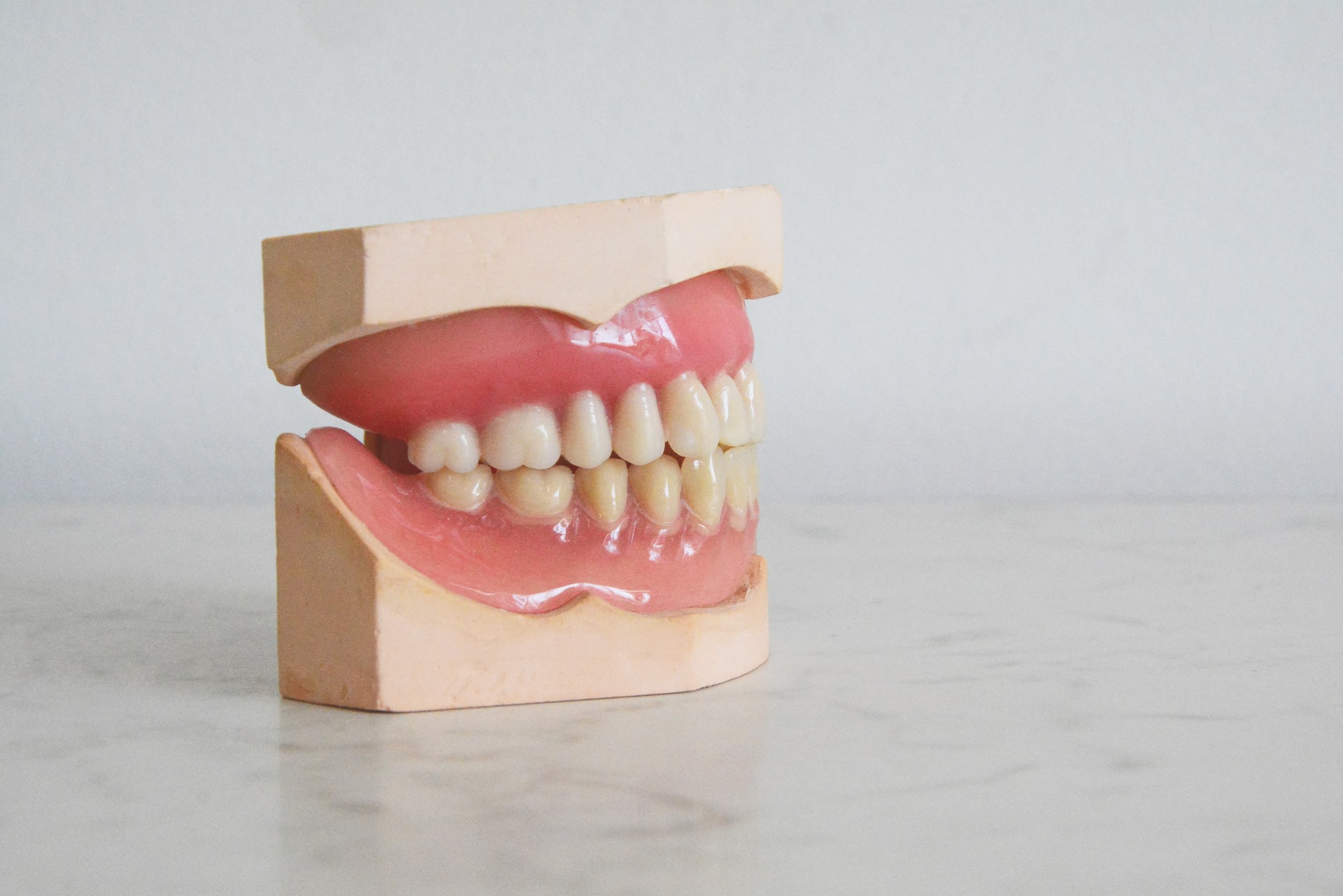
Mold of dental implants for Erie, PA patients

Who can get dental implants?

While dental implants can improve your oral health and the overall function of your mouth, there are reasons someone shouldn’t get dental implants. To be a good candidate for dental implants, you need to have a healthy jaw. Strong and healthy jawbones allow your dental implant to be supported properly, allowing it to last for as long as possible. Otherwise, you may suffer more oral health complications. Any signs of periodontal disease, gingivitis, and even bruxism can disqualify you from getting dental implants installed. 

Benefits of dental implants:

  • Enable you to eat normally
  • Improve your speech
  • Restore your mouth’s bite
  • Enhance the aesthetics of your smile
  • Prevent cavities
  • Stabilize adjacent teeth
  • Restore your confidence in your smile

Schedule an Appointment

Frequently Asked Questions About Dental Implants

What is the process for dental implants like?

Dental implants require patients to have x-rays completed of their teeth and jaw. You may also need the input of specialists to confirm that your bones are healthy and can support the implant. Dental implant surgery has a number of steps. Dr. Mahoney will start by making sure you’re comfortable and discuss your options for anesthesia. During the procedure, your dental implant will be inserted into the jawbone, the abutment will be placed, and then the crown will be added on top of the abutment.

How long do dental implants last?

When a dental implant is well maintained, it’s common for them to last a lifetime. Although it may be daunting to go into the dentist’s office for a comprehensive procedure, your oral health is important and cannot be neglected. Sleep Dentistry provides a comforting atmosphere and specialized services to ensure our patients leave happy and smiling.

How long does dental implant surgery take?

While the procedure itself can take a few hours, healing from dental implants can take longer, typically 3 months or more. It’s important that your implant heals properly so that you can experience the benefits of a full set of healthy teeth. Sleep Dentistry’s team will work with you to organize a recovery plan that you’re most comfortable with so you can get back to doing what you enjoy.

Does insurance typically cover dental implants?

Dental implants can be covered by insurance, but sometimes they’re not. If you’re looking for definitive answers, we recommend calling your insurance provider. Insurances sometimes classify dental implants as cosmetic, and for this reason, they may not cover them. If your insurance doesn’t cover the implant or procedure as a whole, they may cover the installation of a dental crown.

What is the recovery time for dental implants?

Recovery time for dental implants ranges and can take anywhere from 3 to 6 months. Although this seems like an unreasonable amount of time to recover, having dental implants installed can benefit your health more in the long run. Neglecting your dental health can seriously impact your overall health and well-being. You can rest assured that Sleep Dentistry’s team will work with you to develop a recovery plan that is best suited for you.

Why can’t you have dairy after having dental implants installed?

It’s not uncommon for dentists to recommend patients stay away from dairy after they’ve had dental implants installed. Dairy can cause inflammatory responses in your body’s tissues, including those within your mouth. It’s best to refrain from dairy products until you fully recover or until your dentist recommends when you can consume dairy again.

Where To Find Us 

📍 Address: 3915 Caughey Rd, Erie, PA 16506
 
📞 Phone:  (814) 833-3505
 

Recent Posts

Professional Teeth Whitening vs. At-home Teeth Whitening

Posted on August 31st, 2020 at 3:12 PM
Professional Teeth Whitening vs. At-home Teeth Whitening

Everything you need to know

According to a study done by Statista, almost 40 million surveyed Americans claimed to use professional teeth whiteners. Another study reported that 32% of people are concerned with how their teeth look, pointing out that the United States is the number one country in the world in the number of dental offices providing teeth whitening services

Many patients, however, do not visit the dentist as often as they should. In recent years, at-home teeth-whitening products have joined the long list of items we incorporate into our daily beauty regimens. Depending on the starting condition of your teeth, it’s possible to achieve fairly good results off the shelf. While both convenient and economical, however, over-the-counter teeth whitening kits cannot replace the capabilities of a dental office.

What’s best for you, though? Let’s break it down. 

At-Home Teeth Whitening

Teeth Whitening at Home: Quick Facts

  • Whitening teeth at home can whiten teeth by 3 to 8 shades on average. 
  • Whitening teeth at home is flexible and convenient for any schedule. 
  • There is a wide range of options available to whiten teeth at home. 

As a consumer, the number of at-home white whitening products out there might seem overwhelming. However, they can be sorted into three major categories.

  1. Whitening toothpastes usually contain a mild abrasive (a “gritty” ingredient such as silica that mechanically scrapes stains away with the action of brushing) and hydrogen peroxide, which is the active chemical ingredient. Note that the abrasives in whitening toothpastes can also scrape away tooth enamel over time, so they’re not recommended for those experiencing sensitivity.
  2. Whitening strips and trays directly expose teeth to hydrogen peroxide for anywhere from 30 minutes to 2 hours. Users can expect to see the results of the bleaching process after three weeks. Consumers should exercise caution with these as well, carefully following the package directions — hydrogen peroxide applied too frequently or in too high a concentration can also increase tooth sensitivity. 
  3. Whitening devices use a light-emitting diode (LED) to accelerate the chemical reactions in the bleaching agent (again, usually a peroxide). Like the previous two methods, there is a risk of developing or worsening tooth and gum sensitivity if you overdo it.

No matter which method you choose, consistency is the key to attaining the best results. You can typically expect teeth that are 3 to 8 shades whiter if you stick to a routine.

Whatever the case, at-home whitening products can only go so far. Depending on how deep the stains are and your overall oral health, you may need to seek professional alternatives (such as porcelain veneers).

older woman smiling

Professional Teeth Whitening

Whitening at the Dentist: Overall

  • Requires fewer treatments.
  • Whitens up to 16 shades.
  • More specialized treatments.

Getting professional teeth whitening requires making an appointment at either your general dentist or an office that specializes in cosmetic dentistry. Having to schedule may seem unappealing, especially when compared to at-home whitening treatments that you can do whenever you want. What balances the scales, however, is that professional teeth whitening usually requires fewer treatments than at-home whiteners. Seeking the services of a professional usually results in teeth up to 16 shades whiter, whereas doing it at home requires much more time and effort for a similar effect. 

Dentists are the experts, and their years of experience paired with more specialized products and treatments lend themselves to much more personalized services that can noticeably whiten teeth after just one application. More specialized treatment is often a better option for individuals with sensitive gums or teeth, too. 

Which Teeth Whitening Treatment is Right for Me?

Which whitening treatment is best depends on the individual. Answering this question should start with a dental consultation and routine cleaning if it has been more than six months since your last visit. While there, ask about available tooth-whitening options. Once you do that, you can weigh your options. Keep in mind that while professional teeth whitening tends to be more expensive than at-home remedies, it provides more rapid, noticeable results and can be more tailored to you and your teeth. On the other hand, learning how to whiten teeth at home works better for some because of the broad range of options available to fit any budget. 

Brighten Your Smile at Sleep Dentistry

If you’re interested in a brighter, more beautiful smile, Sleep Dentistry with Dr. Kevin Mahoney can get you there faster through our comprehensive cosmetic dentistry services, including our Lifetime Whitening program. Professionally whitened teeth are more affordable and attainable than you might think!

REQUEST AN APPOINTMENT