
Dental Implants in Erie, PA

Dental implants are a restorative dental treatment for patients who have lost a tooth. Living with a missing tooth can cause oral health complications and make your days much more difficult. Dental implants are a long term solution that can replace your missing tooth and restore your smile. 


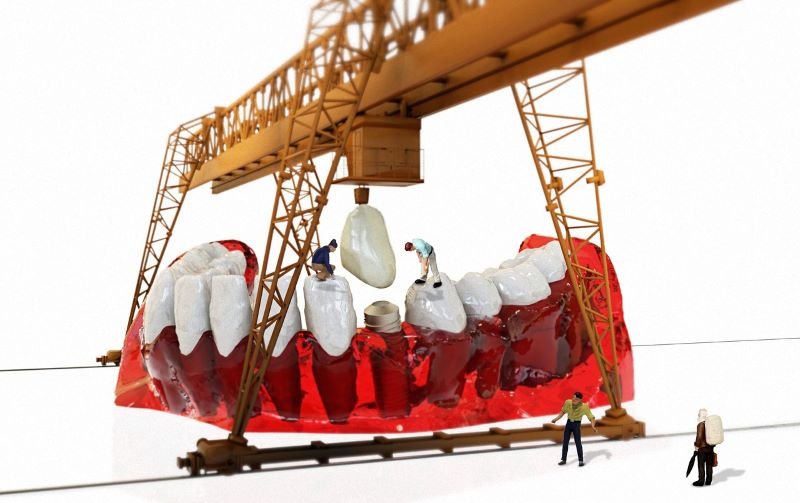
Dental implants comprise three distinct components: the implant post itself, an abutment, and a dental crown. The implant is made of titanium and acts as a replacement for your original tooth’s root. The implant is then attached to the abutment, which is what the crown sits on top of. Once the dental crown has been adhered to the abutment, you’ll be smiling like normal again!  Dental implants do require surgery to be inserted into your mouth completely. While this can be a scary thought, our team of dental professionals at Sleep Dentistry understands our patients’ concerns. That’s why we provide sleep dentistry, relaxation dentistry, and offer dental therapy dogs to comfort our patients so they can receive necessary dental care without any additional stress.

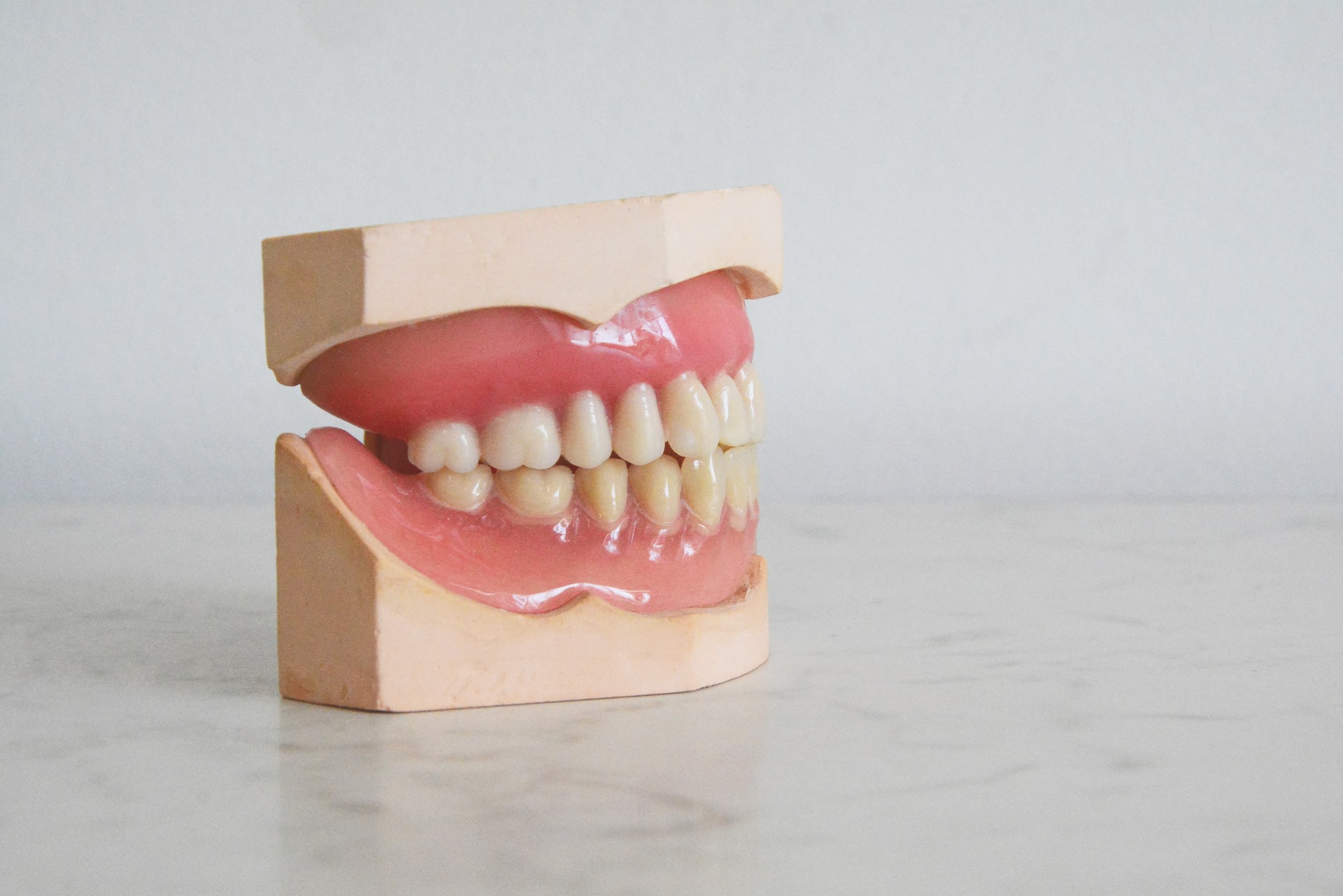
Mold of dental implants for Erie, PA patients

Who can get dental implants?

While dental implants can improve your oral health and the overall function of your mouth, there are reasons someone shouldn’t get dental implants. To be a good candidate for dental implants, you need to have a healthy jaw. Strong and healthy jawbones allow your dental implant to be supported properly, allowing it to last for as long as possible. Otherwise, you may suffer more oral health complications. Any signs of periodontal disease, gingivitis, and even bruxism can disqualify you from getting dental implants installed. 

Benefits of dental implants:

  • Enable you to eat normally
  • Improve your speech
  • Restore your mouth’s bite
  • Enhance the aesthetics of your smile
  • Prevent cavities
  • Stabilize adjacent teeth
  • Restore your confidence in your smile

Schedule an Appointment

Frequently Asked Questions About Dental Implants

What is the process for dental implants like?

Dental implants require patients to have x-rays completed of their teeth and jaw. You may also need the input of specialists to confirm that your bones are healthy and can support the implant. Dental implant surgery has a number of steps. Dr. Mahoney will start by making sure you’re comfortable and discuss your options for anesthesia. During the procedure, your dental implant will be inserted into the jawbone, the abutment will be placed, and then the crown will be added on top of the abutment.

How long do dental implants last?

When a dental implant is well maintained, it’s common for them to last a lifetime. Although it may be daunting to go into the dentist’s office for a comprehensive procedure, your oral health is important and cannot be neglected. Sleep Dentistry provides a comforting atmosphere and specialized services to ensure our patients leave happy and smiling.

How long does dental implant surgery take?

While the procedure itself can take a few hours, healing from dental implants can take longer, typically 3 months or more. It’s important that your implant heals properly so that you can experience the benefits of a full set of healthy teeth. Sleep Dentistry’s team will work with you to organize a recovery plan that you’re most comfortable with so you can get back to doing what you enjoy.

Does insurance typically cover dental implants?

Dental implants can be covered by insurance, but sometimes they’re not. If you’re looking for definitive answers, we recommend calling your insurance provider. Insurances sometimes classify dental implants as cosmetic, and for this reason, they may not cover them. If your insurance doesn’t cover the implant or procedure as a whole, they may cover the installation of a dental crown.

What is the recovery time for dental implants?

Recovery time for dental implants ranges and can take anywhere from 3 to 6 months. Although this seems like an unreasonable amount of time to recover, having dental implants installed can benefit your health more in the long run. Neglecting your dental health can seriously impact your overall health and well-being. You can rest assured that Sleep Dentistry’s team will work with you to develop a recovery plan that is best suited for you.

Why can’t you have dairy after having dental implants installed?

It’s not uncommon for dentists to recommend patients stay away from dairy after they’ve had dental implants installed. Dairy can cause inflammatory responses in your body’s tissues, including those within your mouth. It’s best to refrain from dairy products until you fully recover or until your dentist recommends when you can consume dairy again.

Where To Find Us 

📍 Address: 3915 Caughey Rd, Erie, PA 16506
 
📞 Phone:  (814) 833-3505
 

Recent Posts

Smile Makeovers: Revitalizing and Restoring Teeth

Posted on September 25th, 2019 at 9:28 AM
Smile Makeovers: Revitalizing and Restoring Teeth

Every tooth you have is a finely tuned piece of engineering and architecture, with a specialized function and shape that allows it to both work with and fit in with its partners. A typical, healthy adult mouth will have either 28 or 32 teeth (depending on whether or not the wisdom teeth, or third molars, have been removed). When one or more teeth suffer damage or decay, it affects the entire operation. Thankfully, with the modern materials and technologies available, we can perform partial or complete smile makeovers through dental restorations

What are the four types of teeth?

  1. Incisors (8 total): Four central teeth on the upper and lower jaw, with a fine edge for chopping and cutting food into smaller chunks. 
  2. Canines (4): The two pointed teeth on either side of each set of incisors. They help grip and tear food.
  3. Premolars (8): There are two of these between each of the four canines and the corresponding set of molars in each corner of the mouth. The sharper front edge assists the canine with tearing, while the more flattened back half helps the molars to crush food.
  4. Molars (8-12): The flat surfaces of molars crush and grind food up to make it easier to swallow. There are 2 in each corner of the mouth (3 if the wisdom teeth remain in place).
What is the anatomy of a tooth?

Enamel: The white outermost layer of each tooth, comprised mostly of the mineral calcium phosphate, is one of the hardest organic substances in the world — the equivalent of crystal rock! 

Dentin: Underneath the enamel is the dentin, a hard tissue harboring a network of microscopic tubes. These tubes are supply lines for the nutrients your teeth need to stay healthy.

Pulp: The soft, spongy innermost layer of the tooth is alive with blood vessels and nerves. It is our job as a dentist and your job as a patient to preserve the outer tooth so the inner tooth remains protected at all costs!

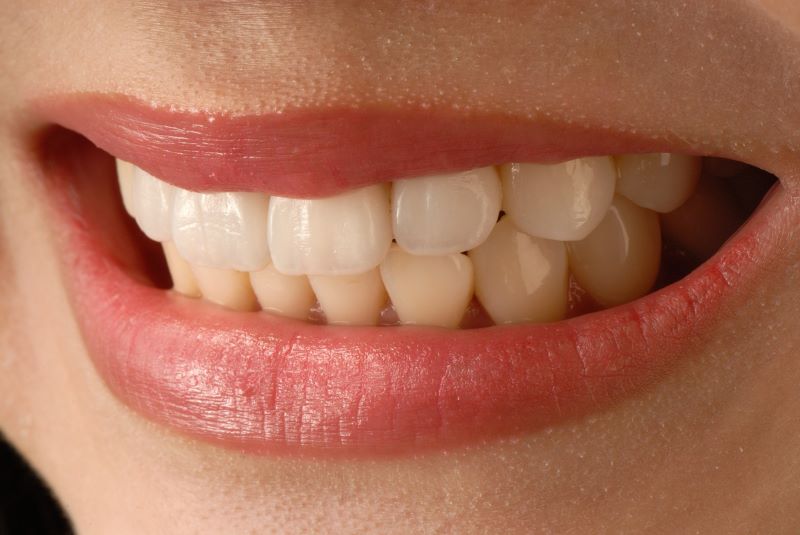
Crown: Refers to the uppermost part of each tooth above the gumline. This is the part of the tooth you are most familiar with when you smile and eat.

Neck: The circumference of the tooth where it inserts into the bone socket, separating the crown and the root. 

Root: The part of the tooth beneath the gumline, anchored into the jaw by a connective material called cementum. 

What can I do about a damaged or unsightly tooth?

No one is perfect. Even with a committed oral hygiene routine, teeth can suffer the effects of decay because of age or genetics. Luckily, modern tooth restoration techniques can get a damaged tooth working and looking as good as new! There are two main categories of dental restorations.

Direct: These restorations, usually dental fillings, are completed in a single sitting. The tooth is cleaned and prepped and soft material is worked into the cavity, set into place, ground, and polished to ensure a smooth finish and perfect bite. 

Indirect: Sometimes, when damage to a tooth is more extensive, a dentist will take impressions and send them off to a lab, where a dental technician will fabricate the restoration outside the office. During a subsequent visit, the dentist will cement the restoration into place. Examples include:

  • Inlays and onlays (similar to fillings, but formed outside the office)
  • Bridges (false teeth to fill gaps in your smile)
  • Crowns (a cap for a damaged or weakened tooth)
  • Veneers (a porcelain shell that fits over the tooth for either protective or cosmetic purposes)

Achieve your best smile with Dr. Kevin Mahoney.

Whether you need your mouth to feel better or want your smile to look better, the staff at Sleep Dentistry Erie has the tools and the materials to get you there. Not only that, but you can also skip any pain and discomfort in the process thanks to safe, effective general anesthesia!

Get started