
Dental Implants in Erie, PA

Dental implants are a restorative dental treatment for patients who have lost a tooth. Living with a missing tooth can cause oral health complications and make your days much more difficult. Dental implants are a long term solution that can replace your missing tooth and restore your smile. 


Dental implants comprise three distinct components: the implant post itself, an abutment, and a dental crown. The implant is made of titanium and acts as a replacement for your original tooth’s root. The implant is then attached to the abutment, which is what the crown sits on top of. Once the dental crown has been adhered to the abutment, you’ll be smiling like normal again!  Dental implants do require surgery to be inserted into your mouth completely. While this can be a scary thought, our team of dental professionals at Sleep Dentistry understands our patients’ concerns. That’s why we provide sleep dentistry, relaxation dentistry, and offer dental therapy dogs to comfort our patients so they can receive necessary dental care without any additional stress.

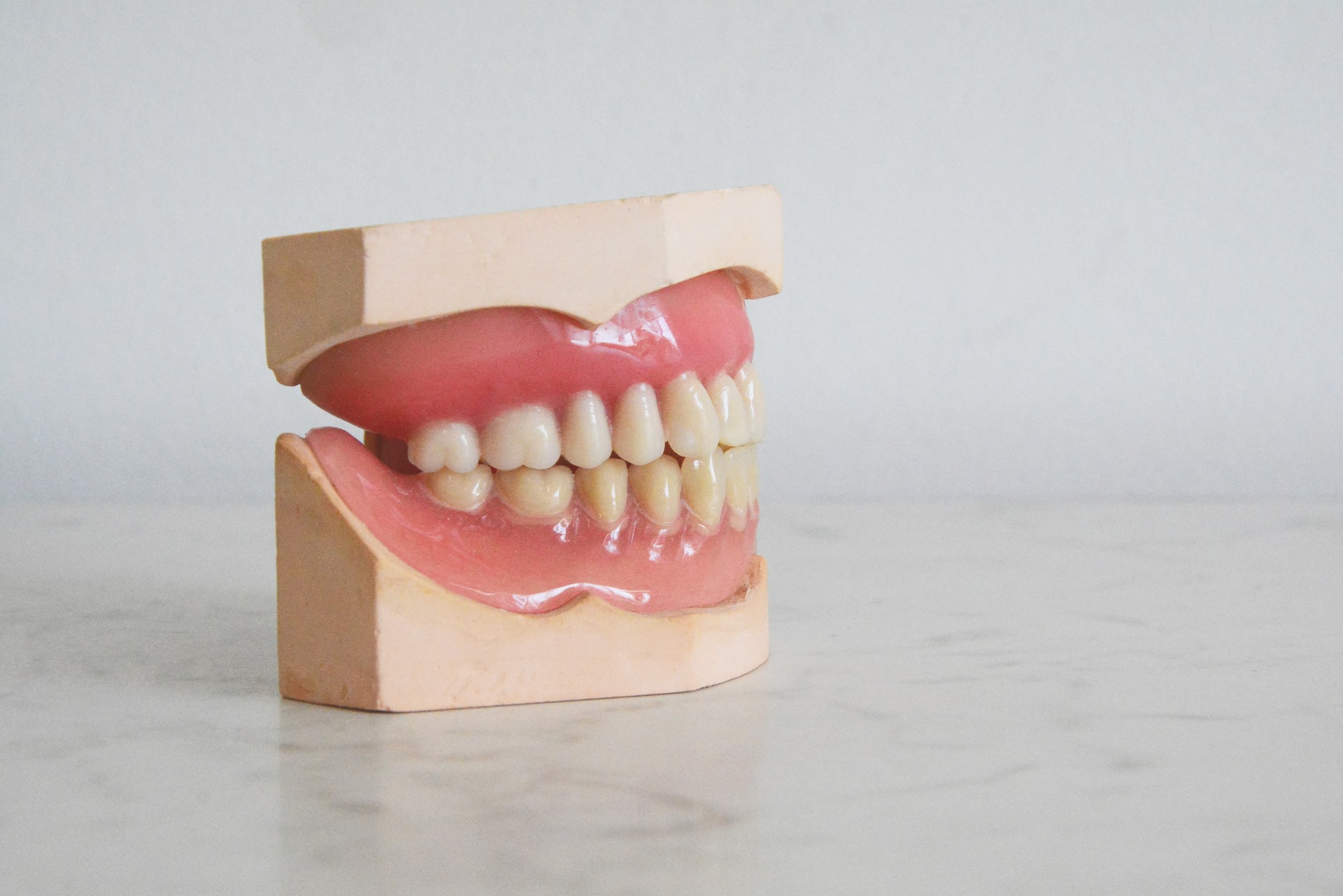
Mold of dental implants for Erie, PA patients

Who can get dental implants?

While dental implants can improve your oral health and the overall function of your mouth, there are reasons someone shouldn’t get dental implants. To be a good candidate for dental implants, you need to have a healthy jaw. Strong and healthy jawbones allow your dental implant to be supported properly, allowing it to last for as long as possible. Otherwise, you may suffer more oral health complications. Any signs of periodontal disease, gingivitis, and even bruxism can disqualify you from getting dental implants installed. 

Benefits of dental implants:

  • Enable you to eat normally
  • Improve your speech
  • Restore your mouth’s bite
  • Enhance the aesthetics of your smile
  • Prevent cavities
  • Stabilize adjacent teeth
  • Restore your confidence in your smile

Schedule an Appointment

Frequently Asked Questions About Dental Implants

What is the process for dental implants like?

Dental implants require patients to have x-rays completed of their teeth and jaw. You may also need the input of specialists to confirm that your bones are healthy and can support the implant. Dental implant surgery has a number of steps. Dr. Mahoney will start by making sure you’re comfortable and discuss your options for anesthesia. During the procedure, your dental implant will be inserted into the jawbone, the abutment will be placed, and then the crown will be added on top of the abutment.

How long do dental implants last?

When a dental implant is well maintained, it’s common for them to last a lifetime. Although it may be daunting to go into the dentist’s office for a comprehensive procedure, your oral health is important and cannot be neglected. Sleep Dentistry provides a comforting atmosphere and specialized services to ensure our patients leave happy and smiling.

How long does dental implant surgery take?

While the procedure itself can take a few hours, healing from dental implants can take longer, typically 3 months or more. It’s important that your implant heals properly so that you can experience the benefits of a full set of healthy teeth. Sleep Dentistry’s team will work with you to organize a recovery plan that you’re most comfortable with so you can get back to doing what you enjoy.

Does insurance typically cover dental implants?

Dental implants can be covered by insurance, but sometimes they’re not. If you’re looking for definitive answers, we recommend calling your insurance provider. Insurances sometimes classify dental implants as cosmetic, and for this reason, they may not cover them. If your insurance doesn’t cover the implant or procedure as a whole, they may cover the installation of a dental crown.

What is the recovery time for dental implants?

Recovery time for dental implants ranges and can take anywhere from 3 to 6 months. Although this seems like an unreasonable amount of time to recover, having dental implants installed can benefit your health more in the long run. Neglecting your dental health can seriously impact your overall health and well-being. You can rest assured that Sleep Dentistry’s team will work with you to develop a recovery plan that is best suited for you.

Why can’t you have dairy after having dental implants installed?

It’s not uncommon for dentists to recommend patients stay away from dairy after they’ve had dental implants installed. Dairy can cause inflammatory responses in your body’s tissues, including those within your mouth. It’s best to refrain from dairy products until you fully recover or until your dentist recommends when you can consume dairy again.

Where To Find Us 

📍 Address: 3915 Caughey Rd, Erie, PA 16506
 
📞 Phone:  (814) 833-3505
 

Recent Posts

Stages of Tooth Decay and Treatments

Posted on March 27th, 2023 at 4:03 PM
Stages of Tooth Decay and Treatments

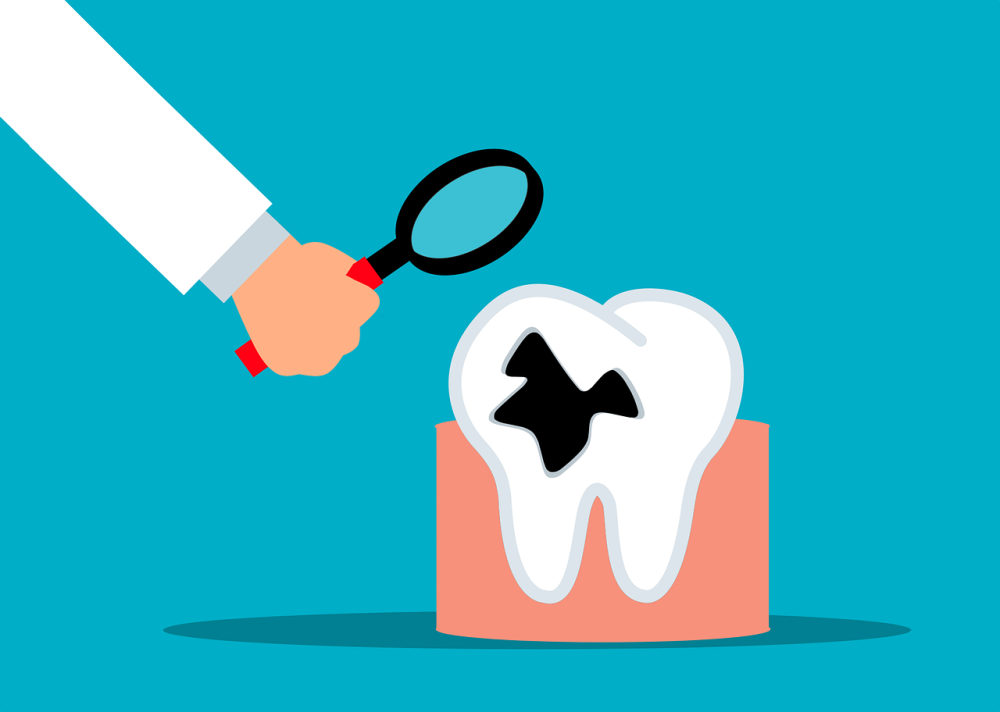
There are a LOT of bacteria inside the human mouth, and while some types are helpful, others are quite damaging — like those that contribute to the five stages of tooth decay. When you eat foods high in sugar or starch, these harmful bacteria fuse with them to create plaque, a sticky film over teeth. This process will produce acidic compounds that slowly eat away at the protective minerals on your enamel. Plaque may also irritate the gums, which in turn could develop into gum disease

Common symptoms of the stages of tooth decay include but are not limited to: 

  • Toothache
  • Sensitivity of the teeth to stimuli that are hot, cold, or sweet
  • Stains on the surface of teeth, especially white or brown in color 
  • Cavities 
  • Tooth infection, with a potential for abscess forming (pus pockets) 

The big issue is that the progression of tooth decay can be stealthy. The enamel wears down over time, and symptoms may not be easily detected until the decay has reached a critical point. That is why it is essential to be proactive in preventing and limiting tooth decay.

Early stages of tooth decay

Stage 1: Demineralization

What it looks like: At this beginning stage of tooth decay, you might begin to see white spots appear on the surface of your teeth. These spots indicate the areas where plaque has begun its attack on your enamel. 

What’s happening: The enamel starts to become weaker due to plaque. The acids put out by this plaque demineralizes the enamel’s strong barrier. 

Treatment: Fluoride is key at this stage of tooth decay. Reverse demineralization by using dental products containing fluoride (i.e., toothpaste and mouthwash) or receiving a fluoride treatment from your dentist. 

Stage 2: Enamel decay

What it looks like: Any white spots present on your teeth will start to turn brown in color. 

What’s happening: The enamel has begun to degrade, leaving room for cavities to form.  

Treatment: If you develop cavities, you’ll need to seek out your dentist’s help in getting tooth fillings. The fillings stop the cavities from growing so large that the damage is irreversible. Decayed sections of the affected tooth are taken out and replaced with a filling — most today are formed from tooth-colored composite resin or ceramic materials, although gold and silver alloys are still employed on occasion. 

Stage 3: Dentin decay

What it looks like: By this stage of tooth decay your teeth will become hypersensitive to hot or cold foods—especially those that contain high amounts of sugar. 

What’s happening: Dentin is the layer of the tooth underneath the enamel, and it’s much softer. That means it is far more sensitive to acid damage. The rate of decay tends to accelerate at this stage.

Treatment: When dentin decay is caught in its early form, it can be healed with a filling. However, if there is considerable damage already done, your dentist will have to pull out the decayed pieces. In some cases, a dental crown is necessary to support the remaining sections of the tooth. 


Advanced stages of tooth decay

Stage 4: Pulp damage

What it looks like: If the pulp (the deepest layer of your teeth) dies, your tooth will change in color from its natural white to gray to black. You might also notice the tooth giving off an unpleasant odor and taste. 

What’s happening: Affected teeth begin to swell up. Pressure is created because your damaged tooth can no longer expand with the pulp, leading to pain. 

Treatment: Tooth decay this advanced requires a root canal treatment from your dentist. The damaged pulp is carefully removed, followed by a filling of the cavity and a restorative crown being placed. 

Stage 5: Dental abscess

What it looks like: This is the very final segment in the stages of tooth decay. You may feel intense pain, which often spreads to other parts of your mouth, gums, jaw—and even the rest of your face. 

What’s happening: Bacteria invades the damaged pulp layer, which often results in infection. An abscess, or pus pocket, could develop along the bottom section of the tooth, as well. 

Treatment: In some cases, a root canal treatment might heal the damage. If not, you will probably have to get the tooth completely removed to ensure the infection doesn’t spread to other parts of your head. Because infections of this type are bacterial, your dentist may prescribe you antibiotics to aid in your recovery. 

Prevent tooth decay with Dr. Mahoney

Don’t let tooth decay get in your way. Contact Dr. Mahoney to find the perfect treatment today!

CONTACT