

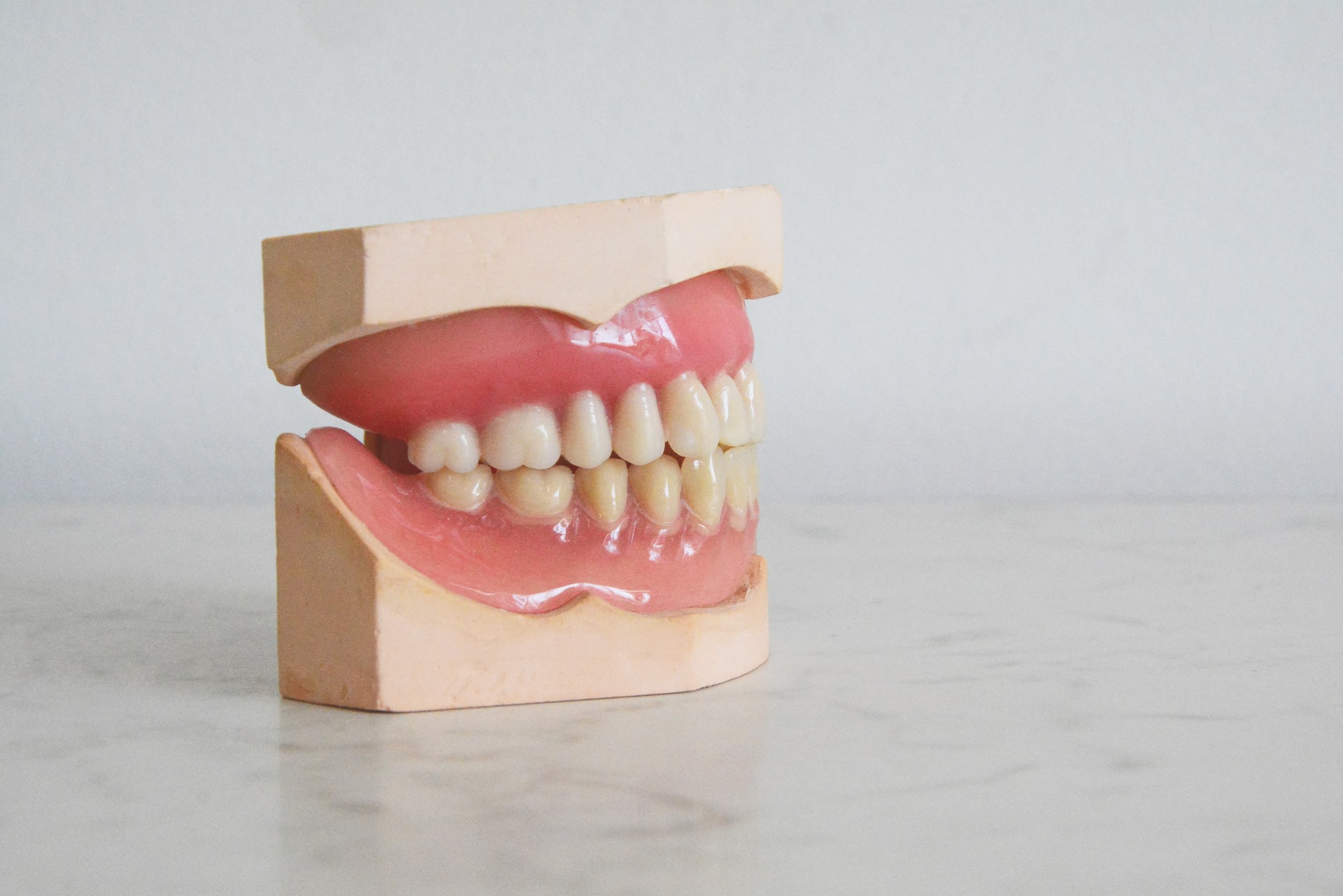

Dental sealants are a thin, protective coating applied to the chewing surfaces of the back teeth, also known as molars and premolars. These sealants act as a barrier, safeguarding depressions in our teeth from food particles and plaque that are notoriously difficult to clean.
In this guide, we’ll go over everything you need to know about dental sealants, allowing you to make an informed decision about your dental care. Understanding the pros and cons of dental sealants is key to maintaining a healthy smile for years to come.
What are Dental Sealants?
Dental sealants are a form of preventive dental care that can play a significant role in maintaining oral health. They are made from a plastic resin and applied to the pits in teeth, which quickly hardens to form a protective shield over the enamel of each tooth. This resin is typically clear or slightly tinted, allowing it to blend in with the natural color of the teeth and remain virtually invisible to the naked eye.
These sealants are also designed to be durable; they can withstand the force of chewing, making them an excellent option for molars or premolars.
Why is this important? The deep grooves in teeth are susceptible to accumulating food particles and bacteria. The sealant material is specially formulated to penetrate these crevices, resulting in a smooth surface that is less likely to harbor plaque.
Purpose of Sealants in Dental Health
The primary purpose of dental sealants is to prevent tooth decay, particularly in the molars and premolars. These teeth are the most prone to cavities because they are harder to clean; this is mostly due to their location in the back of the mouth and their uneven chewing surfaces. Sealants provide a protective layer that keeps out food particles and acids produced by bacteria, which can lead to decay if left unchecked.
By creating a barrier on the teeth, sealants not only help to prevent cavities but also can save patients from more extensive dental work in the future (i.e. fillings, crowns, or root canals).
Applying Sealants
Before we get into the pros and cons of dental sealants, let’s explore the treatment process itself. Luckily, the process of applying dental sealants is quick, painless, and non-invasive, making it an ideal treatment for patients of all ages. The procedure typically involves the following steps:
- Cleaning: Your dentist will start by thoroughly cleaning the teeth that are to be sealed. This ensures that no plaque or food debris is trapped under the sealant.
- Preparation: Once the teeth are clean, they are dried, and an absorbent material is placed around them to keep them dry. A solution is then applied to the chewing surfaces of the teeth to slightly roughen them, which helps the sealant bond to the teeth.
- Application: The sealant is carefully painted onto the enamel of the teeth, where it bonds directly and hardens. Some sealants require a special curing light to help them harden, while others set on their own.
- Evaluation: After the sealant has hardened, your dentist will check your bite and make sure the sealant has formed a proper seal.
The entire process is completed in one dental visit, although regular check-ups are necessary to monitor the condition of the sealants. If they wear down a bit over time, your dentist will reapply them.
Who Needs Dental Sealants?

Dental sealants are not exclusive to any one age group and can be beneficial for a wide range of individuals. However, there are certain considerations when it comes to age.
The most common time to apply sealants is during childhood or adolescence. As soon as the first permanent molars appear — usually around the age of six — sealants can be applied to protect these new teeth from decay. The second set of permanent molars typically comes in around the age of twelve, and these too can benefit from the application of sealants.
Sealing teeth as soon as the molars erupt can keep them cavity-free from the start, which helps ensure better oral health long-term. Nevertheless, this does not mean dental sealants for adults are any less beneficial. Adult teeth without decay or fillings in their molars can also be good candidates for sealants.
Risk Factors for Tooth Decay
When weighing the pros and cons of dental sealants, certain patients may have a greater need for treatment due to a higher risk of tooth decay. These risk factors include:
- Poor oral hygiene habits
- A history of dental cavities
- Frequent snacking on sugary or starchy foods and drinks
- Deep pits and grooves in the teeth
- Low fluoride exposure
- Certain medical conditions that reduce saliva flow, which defends against cavities
Individuals with these risk factors should discuss with their dentist whether sealants could be a beneficial addition to their dental care routine.
Sealants for Children and Adults
Dental sealants for kids are a proactive step that parents can take to help safeguard their children's teeth against cavities. Since young patients may not always be diligent with their brushing and flossing, sealants provide an extra layer of defense during these formative years.
Adults, on the other hand, may consider sealants for several reasons. Sealants offer a practical solution if you have teeth with deep grooves, have experienced decay in the past, or simply want to take a new approach to your dental health.
It's important to note that while sealants are highly effective in preventing decay on tooth surfaces, they do not protect against all forms of cavities — specifically those that form between teeth. That’s why a comprehensive oral hygiene routine (regular brushing, flossing, and dental check-ups) remains essential for everyone, regardless of whether they have sealants or not.
According to the Centers for Disease Control and Prevention (CDC), dental sealants prevent 80% of cavities for two years after application. They continue to protect against 50% of cavities for up to four years.
How Long Do Dental Sealants Last?
Dental sealants are designed to be a durable form of protection against tooth decay, but they do not last forever. On average, sealants can effectively protect teeth for up to 10 years with proper care. However, their lifespan can vary depending on several factors. Patients need to have their sealants checked regularly by a dental professional, who can assess their condition and reapply them if necessary.
Factors Affecting the Longevity of Sealants
Several factors can influence how long dental sealants last, such as:
- Chewing Habits: Individuals who chew on hard objects, such as ice or hard candies, may find that their sealants wear down more quickly.
- Oral Hygiene: Good oral hygiene practices can extend the life of sealants. Regular brushing and flossing help prevent plaque buildup, which can undermine the sealants.
- Diet: Frequent consumption of sugary or acidic foods and beverages can increase the risk of sealant wear.
- Teeth Grinding: Individuals who grind their teeth may subject their sealants to additional wear and tear, potentially shortening their lifespan.
Dental Sealant Maintenance and Care
To maximize the effectiveness of dental sealants, patients should follow a few key care guidelines. To begin, routine dental check-ups are crucial. During these visits, your dentist can inspect the sealants for any chips or wear.
It’s equally as important to maintain a consistent oral hygiene routine. Brushing twice a day with fluoride toothpaste, flossing daily, and using an antibacterial mouthwash can help keep sealants intact. You’ll also want to be cautious about eating habits, avoiding hard or sticky foods that can break down the sealant material.
For those who engage in sports or physical activities that could result in a blow to the mouth, wearing a mouthguard will help protect the sealants from damage.
How Much Do Dental Sealants Cost?
Of course, cost is one of the most important things to think about as you assess the pros and cons of dental sealants. They are generally more affordable than restorative procedures like fillings, crowns, or root canals that may become necessary if cavities develop. The upfront cost of sealants is a fraction of what it would cost to treat dental issues that could have been prevented.
Notably, sealants are a one-time expense that provides several years of protection, whereas other preventive measures (i.e. professional fluoride treatments) may require more frequent visits.
The cost of dental sealants can vary depending on location, the dental practice, and the number of teeth being sealed. On average, the cost can range from $30 to $60 per tooth. Many PA state dental insurance plans recognize the value of sealants as a preventive measure and cover them, especially for patients under the age of 18. However, coverage can differ between insurance providers and policies, so patients need to check with their insurance to fully understand their benefits.
Protect Your Teeth with Sleep Dentistry!
Our expert team provides a comfortable, stress-free experience, ensuring you get the preventive treatments you need. Schedule your appointment today and take the first step towards a lifetime of confident smiles!