

Dental Implants in Erie, PA

Dental implants are a restorative dental treatment for patients who have lost a tooth. Living with a missing tooth can cause oral health complications and make your days much more difficult. Dental implants are a long term solution that can replace your missing tooth and restore your smile. 


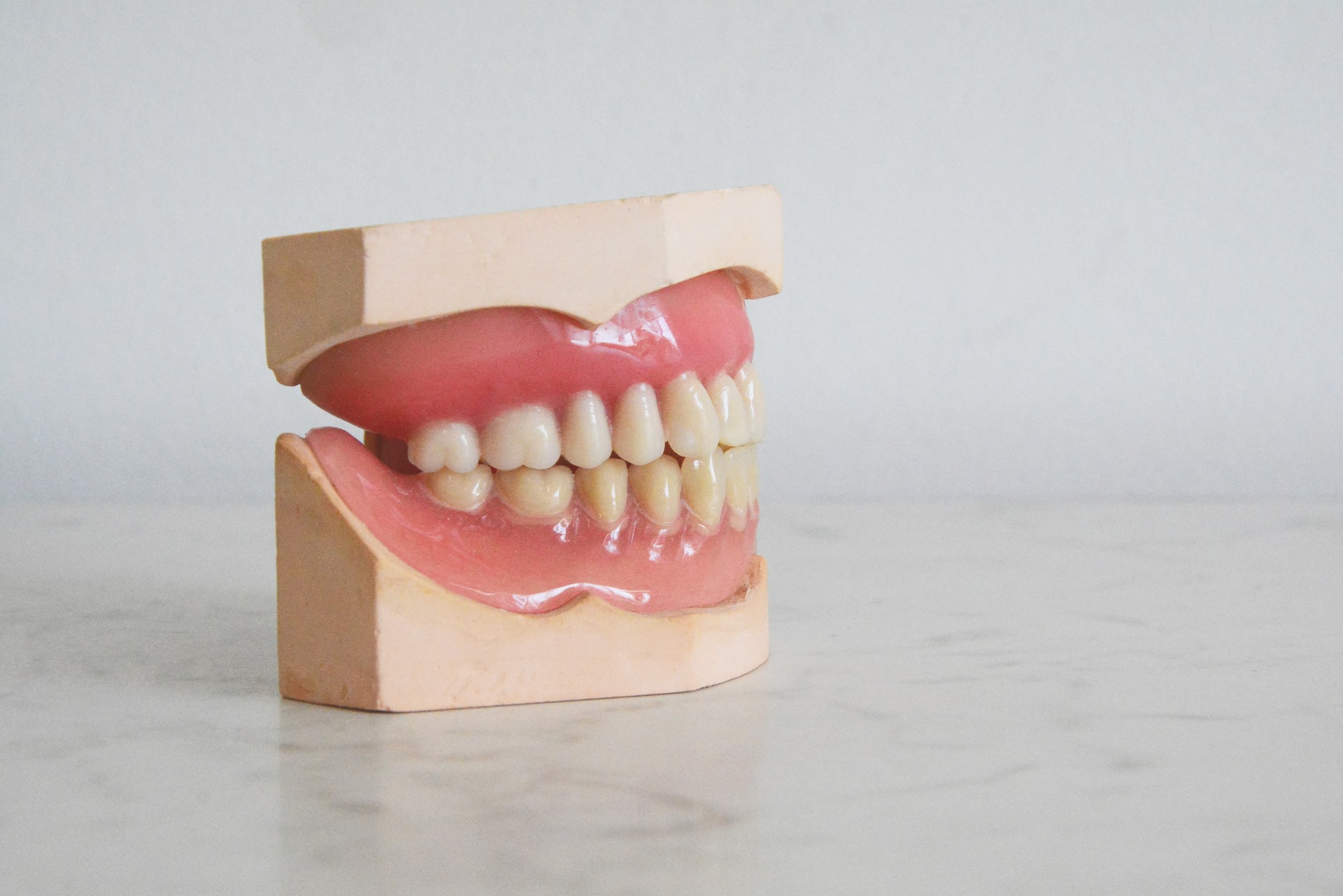
Dental implants comprise three distinct components: the implant post itself, an abutment, and a dental crown. The implant is made of titanium and acts as a replacement for your original tooth’s root. The implant is then attached to the abutment, which is what the crown sits on top of. Once the dental crown has been adhered to the abutment, you’ll be smiling like normal again!  Dental implants do require surgery to be inserted into your mouth completely. While this can be a scary thought, our team of dental professionals at Sleep Dentistry understands our patients’ concerns. That’s why we provide sleep dentistry, relaxation dentistry, and offer dental therapy dogs to comfort our patients so they can receive necessary dental care without any additional stress.

Mold of dental implants for Erie, PA patients

Who can get dental implants?

While dental implants can improve your oral health and the overall function of your mouth, there are reasons someone shouldn’t get dental implants. To be a good candidate for dental implants, you need to have a healthy jaw. Strong and healthy jawbones allow your dental implant to be supported properly, allowing it to last for as long as possible. Otherwise, you may suffer more oral health complications. Any signs of periodontal disease, gingivitis, and even bruxism can disqualify you from getting dental implants installed. 

Benefits of dental implants:

  • Enable you to eat normally
  • Improve your speech
  • Restore your mouth’s bite
  • Enhance the aesthetics of your smile
  • Prevent cavities
  • Stabilize adjacent teeth
  • Restore your confidence in your smile

Schedule an Appointment

Frequently Asked Questions About Dental Implants

What is the process for dental implants like?

Dental implants require patients to have x-rays completed of their teeth and jaw. You may also need the input of specialists to confirm that your bones are healthy and can support the implant. Dental implant surgery has a number of steps. Dr. Mahoney will start by making sure you’re comfortable and discuss your options for anesthesia. During the procedure, your dental implant will be inserted into the jawbone, the abutment will be placed, and then the crown will be added on top of the abutment.

How long do dental implants last?

When a dental implant is well maintained, it’s common for them to last a lifetime. Although it may be daunting to go into the dentist’s office for a comprehensive procedure, your oral health is important and cannot be neglected. Sleep Dentistry provides a comforting atmosphere and specialized services to ensure our patients leave happy and smiling.

How long does dental implant surgery take?

While the procedure itself can take a few hours, healing from dental implants can take longer, typically 3 months or more. It’s important that your implant heals properly so that you can experience the benefits of a full set of healthy teeth. Sleep Dentistry’s team will work with you to organize a recovery plan that you’re most comfortable with so you can get back to doing what you enjoy.

Does insurance typically cover dental implants?

Dental implants can be covered by insurance, but sometimes they’re not. If you’re looking for definitive answers, we recommend calling your insurance provider. Insurances sometimes classify dental implants as cosmetic, and for this reason, they may not cover them. If your insurance doesn’t cover the implant or procedure as a whole, they may cover the installation of a dental crown.

What is the recovery time for dental implants?

Recovery time for dental implants ranges and can take anywhere from 3 to 6 months. Although this seems like an unreasonable amount of time to recover, having dental implants installed can benefit your health more in the long run. Neglecting your dental health can seriously impact your overall health and well-being. You can rest assured that Sleep Dentistry’s team will work with you to develop a recovery plan that is best suited for you.

Why can’t you have dairy after having dental implants installed?

It’s not uncommon for dentists to recommend patients stay away from dairy after they’ve had dental implants installed. Dairy can cause inflammatory responses in your body’s tissues, including those within your mouth. It’s best to refrain from dairy products until you fully recover or until your dentist recommends when you can consume dairy again.

Where To Find Us 

📍 Address: 3915 Caughey Rd, Erie, PA 16506
 
📞 Phone:  (814) 833-3505
 

Recent Posts

Understanding the Scope of Special Needs Dentistry

Posted on May 27th, 2020 at 8:59 AM
Understanding the Scope of Special Needs Dentistry

According to the National Organization on Disability, roughly 54 million Americans live with at least one physical, medical, developmental, or cognitive condition. Special-needs dentistry aims to accommodate these patients by adapting the way dental care is scheduled, communicated, and delivered. This often requires specialized training, facilities, and equipment — along with the requisite compassion, patience, and understanding.

Who exactly are our special care patients, and how do we modify our dental treatment plans to cater to their unique needs?

Who Needs Special-needs Dentistry and Why?

The most important to this to note is that special-needs dentistry isn't a practice exclusive to children — adults can have special needs as well. The full range of conditions a special-needs dentist may cover is too vast to list here, but here are some of the more common ones and the associated challenges:

  • Autism: Communication issues, anxiety, outbursts, or aggression

  • ADHD: Fussiness, unwillingness to cooperate

  • Down Syndrome: Discomfort/risks related to physiological deformities, inability to process environment

  • Alzheimer’s/Dementia: Capacity for patients to consent to treatment, especially as the condition progresses

  • Paraplegia/Quadriplegia: Transference between wheelchair and dental chair, providing treatment in non-traditional positions 

Failure to tend to these patients’ circumstances properly can lead to further oral health complications, injury (to either the patient or staff), and potential liability. 

Another barrier to regular dental treatment for individuals with disabilities is low-income status. Most special-needs patients lack private dental insurance and instead rely on Medicaid or Medicare. They also may not be able to afford or operate their own transportation, which can make it difficult to schedule appointments.

A young boy in a baseball cap, crouching on a wooden bridge

Provisions for Special-needs Dental Patients

No matter the disability, there are several provisions dentists can provide to make their practice accessible to special-needs patients: 

Physical Accessibility

A facility in compliance with the Americans with Disabilities Act will make it easy for patients to receive their treatment. This means the office must have an accessible entrance and rooms, as well as accommodations for helping patients get into the dentist's chair. Ideally, the office will be near a public transportation stop and have handicapped parking, ramps, wide doorways, handicapped-accessible restrooms, waiting rooms, and exam equipment.

When special-needs patients leave the office, they should be given toothbrushes and other oral hygiene tools they can use effectively. For example, toothbrushes with alternative handles can be easier to grip, and toothbrushes with extenders can assist those with a limited range of mobility.

Communication

Communication is an important aspect of caring for any patient. When sensory or cognitive deficits hamper an individual’s ability to communicate traditionally, a special-needs dentist must adapt to understand and be understood. 

For instance, dentists, assistants, and hygienists might verbally narrate each step of a procedure to a visually impaired patient so they can follow along with what they can’t see. A hearing-impaired patient would benefit from visual aids, hand signals, and nonverbal cues like facial expressions. An autistic patient might experience great anxiety in an unfamiliar situation — scheduling a desensitizing appointment beforehand will get them acquainted with the office and equipment. Implementing a policy of show-tell-do — clearly and thoughtfully explaining and illustrating each step of the procedure before doing it — goes a long way for many special-needs patients.

Comfort and Safety

Backboards, head or neck pillows, towels, and modified dental chairs provide proper support throughout treatment. Oral stabilization apparatus like rubber or foam bite blocks, disposable bite sticks, cotton, or gauze prevent the patient from biting their tongue and help keep the airway clear.

The patient's emotional comfort shouldn't be taken lightly, especially if there are dental phobias or anxieties involved. In these cases, a licensed dental therapy dog like Dogtor Gizmo can stay with the patient throughout the visit.

General Dental Anesthesia for Special-needs Patients

Through no fault of their own, some dental patients either cannot or will not receive the special care they require. For those who would otherwise forgo treatment altogether, general dental anesthesia provides a safe, effective, and efficient route to getting more work done in less time, with less stress for patients and caregivers. Dr. Kevin Mahoney takes great pride in treating each patient with compassion, care, and respect, regardless of their circumstances. 

SCHEDULE AN APPOINTMENT