
Dental Implants in Erie, PA

Dental implants are a restorative dental treatment for patients who have lost a tooth. Living with a missing tooth can cause oral health complications and make your days much more difficult. Dental implants are a long term solution that can replace your missing tooth and restore your smile. 


Dental implants comprise three distinct components: the implant post itself, an abutment, and a dental crown. The implant is made of titanium and acts as a replacement for your original tooth’s root. The implant is then attached to the abutment, which is what the crown sits on top of. Once the dental crown has been adhered to the abutment, you’ll be smiling like normal again!  Dental implants do require surgery to be inserted into your mouth completely. While this can be a scary thought, our team of dental professionals at Sleep Dentistry understands our patients’ concerns. That’s why we provide sleep dentistry, relaxation dentistry, and offer dental therapy dogs to comfort our patients so they can receive necessary dental care without any additional stress.

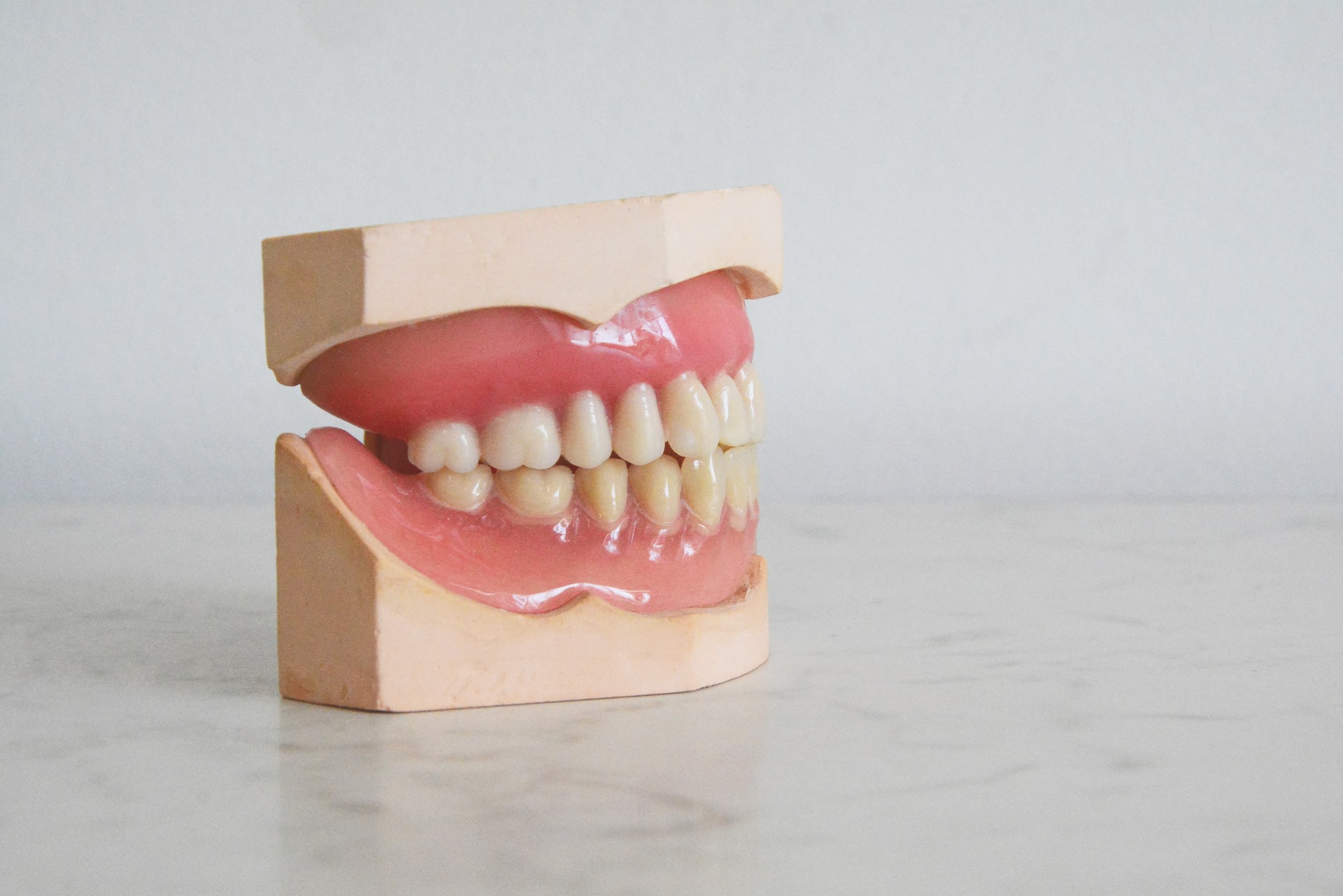
Mold of dental implants for Erie, PA patients

Who can get dental implants?

While dental implants can improve your oral health and the overall function of your mouth, there are reasons someone shouldn’t get dental implants. To be a good candidate for dental implants, you need to have a healthy jaw. Strong and healthy jawbones allow your dental implant to be supported properly, allowing it to last for as long as possible. Otherwise, you may suffer more oral health complications. Any signs of periodontal disease, gingivitis, and even bruxism can disqualify you from getting dental implants installed. 

Benefits of dental implants:

  • Enable you to eat normally
  • Improve your speech
  • Restore your mouth’s bite
  • Enhance the aesthetics of your smile
  • Prevent cavities
  • Stabilize adjacent teeth
  • Restore your confidence in your smile

Schedule an Appointment

Frequently Asked Questions About Dental Implants

What is the process for dental implants like?

Dental implants require patients to have x-rays completed of their teeth and jaw. You may also need the input of specialists to confirm that your bones are healthy and can support the implant. Dental implant surgery has a number of steps. Dr. Mahoney will start by making sure you’re comfortable and discuss your options for anesthesia. During the procedure, your dental implant will be inserted into the jawbone, the abutment will be placed, and then the crown will be added on top of the abutment.

How long do dental implants last?

When a dental implant is well maintained, it’s common for them to last a lifetime. Although it may be daunting to go into the dentist’s office for a comprehensive procedure, your oral health is important and cannot be neglected. Sleep Dentistry provides a comforting atmosphere and specialized services to ensure our patients leave happy and smiling.

How long does dental implant surgery take?

While the procedure itself can take a few hours, healing from dental implants can take longer, typically 3 months or more. It’s important that your implant heals properly so that you can experience the benefits of a full set of healthy teeth. Sleep Dentistry’s team will work with you to organize a recovery plan that you’re most comfortable with so you can get back to doing what you enjoy.

Does insurance typically cover dental implants?

Dental implants can be covered by insurance, but sometimes they’re not. If you’re looking for definitive answers, we recommend calling your insurance provider. Insurances sometimes classify dental implants as cosmetic, and for this reason, they may not cover them. If your insurance doesn’t cover the implant or procedure as a whole, they may cover the installation of a dental crown.

What is the recovery time for dental implants?

Recovery time for dental implants ranges and can take anywhere from 3 to 6 months. Although this seems like an unreasonable amount of time to recover, having dental implants installed can benefit your health more in the long run. Neglecting your dental health can seriously impact your overall health and well-being. You can rest assured that Sleep Dentistry’s team will work with you to develop a recovery plan that is best suited for you.

Why can’t you have dairy after having dental implants installed?

It’s not uncommon for dentists to recommend patients stay away from dairy after they’ve had dental implants installed. Dairy can cause inflammatory responses in your body’s tissues, including those within your mouth. It’s best to refrain from dairy products until you fully recover or until your dentist recommends when you can consume dairy again.

Where To Find Us 

📍 Address: 3915 Caughey Rd, Erie, PA 16506
 
📞 Phone:  (814) 833-3505
 

Recent Posts

What Happens During Dental General Anesthesia?

Posted on July 24th, 2023 at 10:00 AM
What Happens During Dental General Anesthesia?

“Can I be put to sleep for dental work?” If you suffer from a dental anxiety or phobia, you’ve probably wondered this more than once. The thought of being awake while your dentist pokes around your mouth with metal picks is enough to unnerve anyone, so it’s only natural to want to be unconscious for it. 

That’s where sleep dentistry comes in. During sleep dentistry, patients are placed under general anesthesia while their dentist performs the necessary procedure. Not only does this allow the patient to sleep through the process pain-free, it allows the dentist to perform multiple procedures in one session, saving time. 

For those with dental anxieties or phobias, sleep dentistry is a perfect solution. But now that you know you can be put to sleep, your next question may be this: “What actually happens during dental general anesthesia?”

How is Dental General Anesthesia Applied?

Dental general anesthesia is applied through one of two methods: in liquid form through an IV drip, or in gaseous form through a face mask. It can’t be administered by a standard dentist; it must be administered by a licensed dental anesthesiologist. After you lose consciousness, the anesthesiologist will monitor your breathing and other vital signs during the procedure and administer additional anesthesia as needed. This is to make sure the patient stays under. 

The amount of time patients remain unconscious varies depending on the amount of work they require. The average timeframe is between 1-6 hours. 

What Equipment is Used During Sleep Dentistry?

The exact equipment used during general anesthesia dentistry will vary depending on the practice and the method of sedation used. A liquid form will involve an IV line, while a gaseous form will use a face mask, a gas canister, and a machine to pump the anesthetic. There’s also life-support equipment used to monitor the patient’s vitals during the procedure, such as breathing tubes and heart rate monitors. Lastly, there’s any equipment the dentist uses for the dental work itself: suction tubes, hoses, air compressors, cleaning tools, and whatever else is necessary for the procedure they’re performing. 

Is General Anesthesia Safe for Dental Work? 

Like many medical practices, dental general anesthesia is safe as long as it's performed correctly. Certain factors, such as high blood pressure, obesity, or other conditions, may put you at a higher risk of anesthesia-related complications. In rare cases, a patient may experience an allergic reaction to the anesthetic. Your anesthesiologist will conduct a health assessment before your surgery to learn about pre-existing health conditions, medications, and health habits. They will also monitor you during the procedure to make sure you aren’t experiencing complications. 

Experience Sleep Dentistry with Dr. Kevin Mahoney

If you’re experiencing a dental anxiety or phobia and want to schedule a sleep dentistry appointment, schedule with Dr. Kevin Mahoney at sleep dentistry. As the only board-certified dental anesthesiologist in Erie, he’ll make sure that you enjoy a painless, fear-free procedure. Contact Sleep Dentistry and schedule your appointment today. 

SCHEDULE AN APPOINTMENT