Dental Implants in Erie, PA

Dental implants are a restorative dental treatment for patients who have lost a tooth. Living with a missing tooth can cause oral health complications and make your days much more difficult. Dental implants are a long term solution that can replace your missing tooth and restore your smile. 


Dental implants comprise three distinct components: the implant post itself, an abutment, and a dental crown. The implant is made of titanium and acts as a replacement for your original tooth’s root. The implant is then attached to the abutment, which is what the crown sits on top of. Once the dental crown has been adhered to the abutment, you’ll be smiling like normal again!  Dental implants do require surgery to be inserted into your mouth completely. While this can be a scary thought, our team of dental professionals at Sleep Dentistry understands our patients’ concerns. That’s why we provide sleep dentistry, relaxation dentistry, and offer dental therapy dogs to comfort our patients so they can receive necessary dental care without any additional stress.

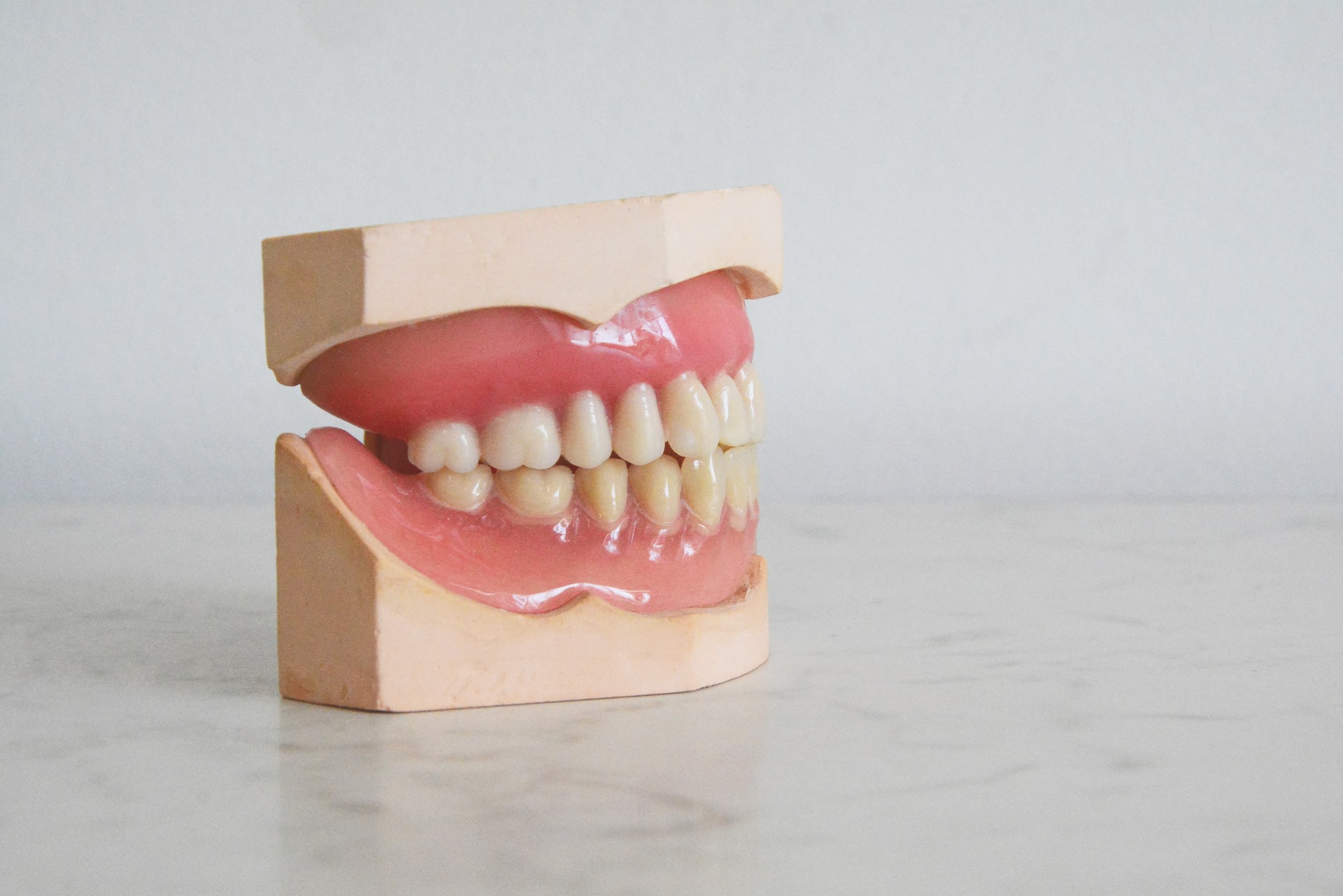
Mold of dental implants for Erie, PA patients

Who can get dental implants?

While dental implants can improve your oral health and the overall function of your mouth, there are reasons someone shouldn’t get dental implants. To be a good candidate for dental implants, you need to have a healthy jaw. Strong and healthy jawbones allow your dental implant to be supported properly, allowing it to last for as long as possible. Otherwise, you may suffer more oral health complications. Any signs of periodontal disease, gingivitis, and even bruxism can disqualify you from getting dental implants installed. 

Benefits of dental implants:

  • Enable you to eat normally
  • Improve your speech
  • Restore your mouth’s bite
  • Enhance the aesthetics of your smile
  • Prevent cavities
  • Stabilize adjacent teeth
  • Restore your confidence in your smile

Schedule an Appointment

Frequently Asked Questions About Dental Implants

What is the process for dental implants like?

Dental implants require patients to have x-rays completed of their teeth and jaw. You may also need the input of specialists to confirm that your bones are healthy and can support the implant. Dental implant surgery has a number of steps. Dr. Mahoney will start by making sure you’re comfortable and discuss your options for anesthesia. During the procedure, your dental implant will be inserted into the jawbone, the abutment will be placed, and then the crown will be added on top of the abutment.

How long do dental implants last?

When a dental implant is well maintained, it’s common for them to last a lifetime. Although it may be daunting to go into the dentist’s office for a comprehensive procedure, your oral health is important and cannot be neglected. Sleep Dentistry provides a comforting atmosphere and specialized services to ensure our patients leave happy and smiling.

How long does dental implant surgery take?

While the procedure itself can take a few hours, healing from dental implants can take longer, typically 3 months or more. It’s important that your implant heals properly so that you can experience the benefits of a full set of healthy teeth. Sleep Dentistry’s team will work with you to organize a recovery plan that you’re most comfortable with so you can get back to doing what you enjoy.

Does insurance typically cover dental implants?

Dental implants can be covered by insurance, but sometimes they’re not. If you’re looking for definitive answers, we recommend calling your insurance provider. Insurances sometimes classify dental implants as cosmetic, and for this reason, they may not cover them. If your insurance doesn’t cover the implant or procedure as a whole, they may cover the installation of a dental crown.

What is the recovery time for dental implants?

Recovery time for dental implants ranges and can take anywhere from 3 to 6 months. Although this seems like an unreasonable amount of time to recover, having dental implants installed can benefit your health more in the long run. Neglecting your dental health can seriously impact your overall health and well-being. You can rest assured that Sleep Dentistry’s team will work with you to develop a recovery plan that is best suited for you.

Why can’t you have dairy after having dental implants installed?

It’s not uncommon for dentists to recommend patients stay away from dairy after they’ve had dental implants installed. Dairy can cause inflammatory responses in your body’s tissues, including those within your mouth. It’s best to refrain from dairy products until you fully recover or until your dentist recommends when you can consume dairy again.

Where To Find Us 

📍 Address: 3915 Caughey Rd, Erie, PA 16506
 
📞 Phone:  (814) 833-3505
 

Recent Posts

What’s In Your Toothpaste?

Posted on October 28th, 2019 at 4:44 PM
What’s In Your Toothpaste?

Getting to know the ingredients and what they do

Toothpaste, in some form or another, has been around for well over 5,000 years. The ancient Egyptian recipe melded together powdered ox hooves, burnt eggshells, myrrh, and pumice — apparently, it did not work too well, as the University of Zurich reported that 18 percent of mummies studied between 1979-2009 exhibited multiple forms of dental disease. Ancient Romans used crushed bones and oyster shells to buffer away buildup and powdered charcoal and bark to freshen their breath. Meanwhile, the Chinese were found to favor flavoring agents like ginseng and mint (very progressive). 

We’ve come along in the past 200 years. Starting in the 1850s, toothpowders that consumers hydrated themselves gave way to cremes and pastes that held their form in jars (1870s) and tubes (1890s). Ingredients like chalk and soap were gradually phased out. After being introduced in 1914, fluoride became standard in cavity prevention from the 1950s onward. 

In the past 30 years or so, the types of toothpaste on the market have diversified considerably. What should you look for? What should you avoid? In this month’s blog post, we’re here to help you make sense of it all.
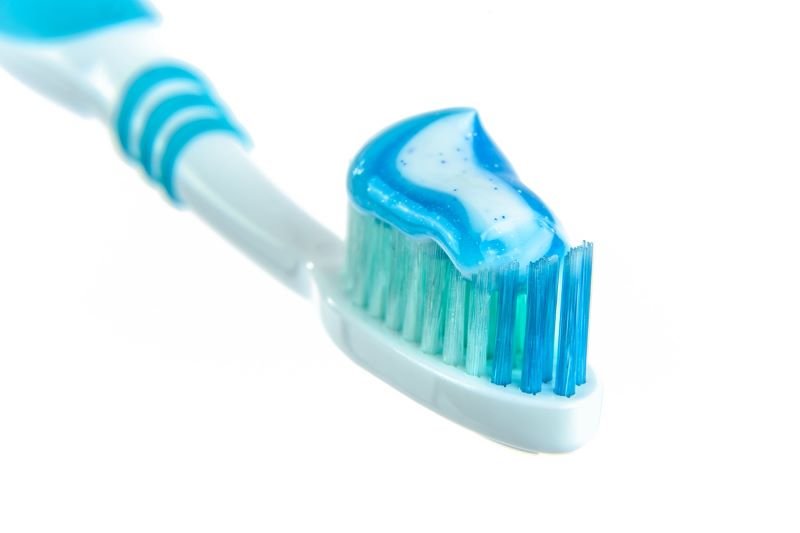
closeup of toothpaste gel on toothbrush

Fluoride for cavity prevention

Fluoride’s role is to fortify enamel, the resilient outer portion of the tooth that protects the more sensitive tissues underneath. It activates a process known as remineralization — replenishing the calcium and phosphorous that makes enamel hard. It is a reversal of demineralization, in which acids from food, beverages, and bacterial plaque soften and deplete the enamel. The American Dental Association (ADA) will not approve an anticavity toothpaste unless it contains one of the following: sodium fluoride, sodium monofluorophosphate, or stannous fluoride.

Abrasives to polish

The crushed bones and shells of yesteryear were a bit harsh on the enamel, but they did help scrape away plaque, debris, and stains from the teeth. Abrasives work in tandem with your brushing motion to clear off teeth surfaces, keeping them clean and smooth. Today’s gentler examples may include calcium carbonate, dehydrated silica gels, hydrated aluminum oxides, magnesium carbonate, phosphate salts, flour of pumice, or silicates. 

Humectants to limit moisture loss

Without humectants, toothpaste would hardly be a paste. These ingredients help keep things smooth and flowing from the tube to the brush and keep the toothpaste from drying out. They also help by inhibiting bacterial growth in the mouth after brushing. Examples include sorbitol and glycerol or glycerin. 
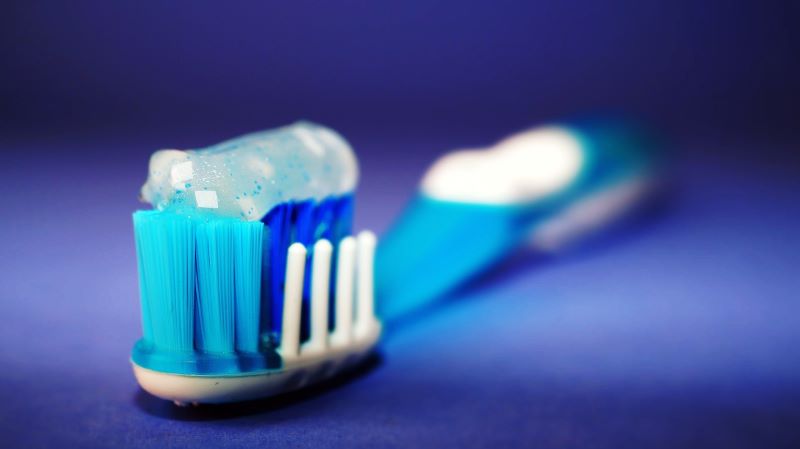
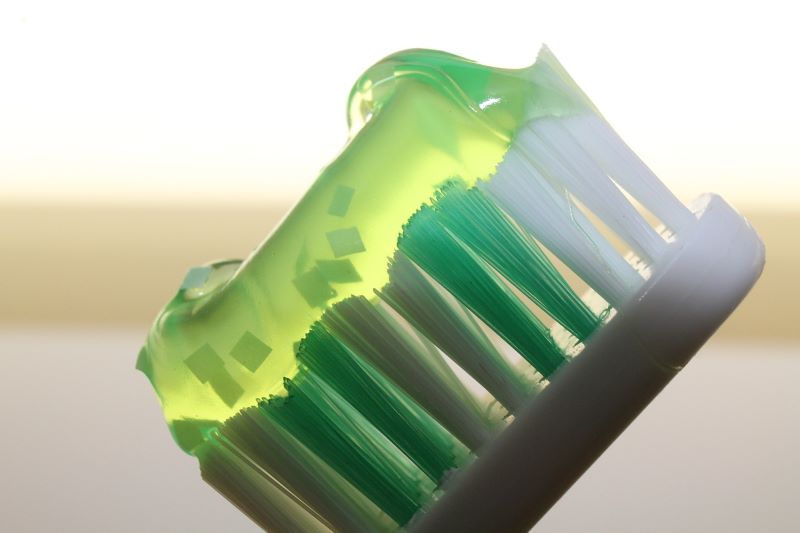
toothpaste gel on a toothbrush

Flavorings and sweeteners for palatability

Due to the cunning of advertising genius Claude C. Hopkins and his campaign for Pepsodent, cooling mint became the standard for toothpaste flavoring. However, a host of flavors have always been available and continue to be available. In particular, bubblegum or fruity flavors like lemon-lime or cherry can help instill good brushing habits in young children. Just make sure any toothpaste you buy is sweetened with natural sugar alcohols such as sorbitol or xylitol, as they do not cause cavities. Saccharin may also be used, although as an artificial sweetener, its safety continues to be debated. Check out our pediatric dentistry page for more information on getting your child started on a regular oral hygiene routine. 

Surfactants for foaming action

Sodium lauryl sulfate came to replace soap as the primary foaming agent in toothpaste halfway through the 20th century. It is more for effect than function and may cause irritation or canker sores in some. For those who do suffer adverse reactions, SLS-free toothpaste is available and just as effective as regular SLS toothpaste.

Specialized toothpaste

A huge variety of toothpastes have been developed for specific oral conditions since the 1980s. 

Here are the key ingredients that make them work.

Anti-gingivitis: stannous fluoride

Tartar control: pyrophosphates, zinc citrate, sodium pyrophosphate

Sensitivity: potassium nitrate, stannous fluoride, strontium chloride

Dry mouth (xerostomia): xylitol

Whitening: hydrogen or carbamide peroxides

A note on non-fluoride toothpaste

Toothpaste without fluoride is not eligible for the ADA Seal of Acceptance. However, there are times when non-fluoride toothpaste may be preferable. Ingredients such as xylitol, green tea extract, and baking soda have demonstrated dental benefits. Moreover, the simple mechanical act of brushing clears away dental plaque. So for those with fluoride sensitivity, brushing with a non-fluoride toothpaste is worlds better than not brushing at all. Children under 2 may swallow too much fluoride, so it’s recommended for toddlers as well.

No matter what toothpaste you use, it’s highly advised to schedule regular dental cleanings to remove the hardened tartar (calculus), which cannot be done with a toothbrush, as well as to check for cavities and other dental lesions. For those seeking a brighter smile, ask about our lifetime whitening program

REQUEST AN APPOINTMENT