

What is a Dental X-Ray?
The phrase dental x-ray describes a medical procedure where an oral health professional uses a device to scan the bone structure of a patient’s mouth. They accomplish this one of two ways, either extraoral or intraoral. The former makes use of an x-ray machine situated outside of the patient’s mouth. If intraoral, a device is operated from inside the mouth.
After an x-ray is taken, the image is scanned to ensure that the bone structure is normal and healthy. In other cases, dental x-rays help identify a range of problems from fractured teeth to gum disease. Once a doctor is made aware of a particular issue, they can begin the treatment process.
Over time, dental x-rays also provide a history of the patient’s bone structure which helps monitor patient health through the years.
Patients have the option of visiting the dentist only for x-rays, but most undergo the procedure along with a routine check-up. The difference: routine check-ups happen every 6 months, while dental x-rays typically occur once a year.
In most cases, intraoral dental x-rays cost between $25-$300, depending on the number of x-rays and type. Regarding extraoral dental x-rays, the range is between $100-$750. Most insurances cover routine dental x-rays and check-ups.
Who Benefits from Dental X-Rays?
While everyone can benefit from dental x-rays, those who benefit most will naturally be people who more often engage their mouths besides talking and eating. Athletes are one example because they engage in activities that could potentially break bones, including the bones in their mouths. Other examples include police officers who engage in physical altercations and stunt actors. Added risk means a greater chance of damage.
Another group that benefits from dental x-rays is older adults and people who received dental work in the past. Anyone with past dental complications is more likely to face future problems. The dental x-ray helps the patient and doctor check the condition of prior solutions such as fillings and crowns.
Even if you have not received dental work in the past, dental x-rays are still crucial. All that’s needed is for one issue to go undetected for your health to pay the cost.
Though most patients receive an x-ray once a year, the frequency should depend on whether or not you fall into a higher-risk category.
Types of Dental X-Rays
Of the several types of dental-x rays performed across the country, most are intraoral. Here are four types of intraoral dental x-rays.
Panoramic
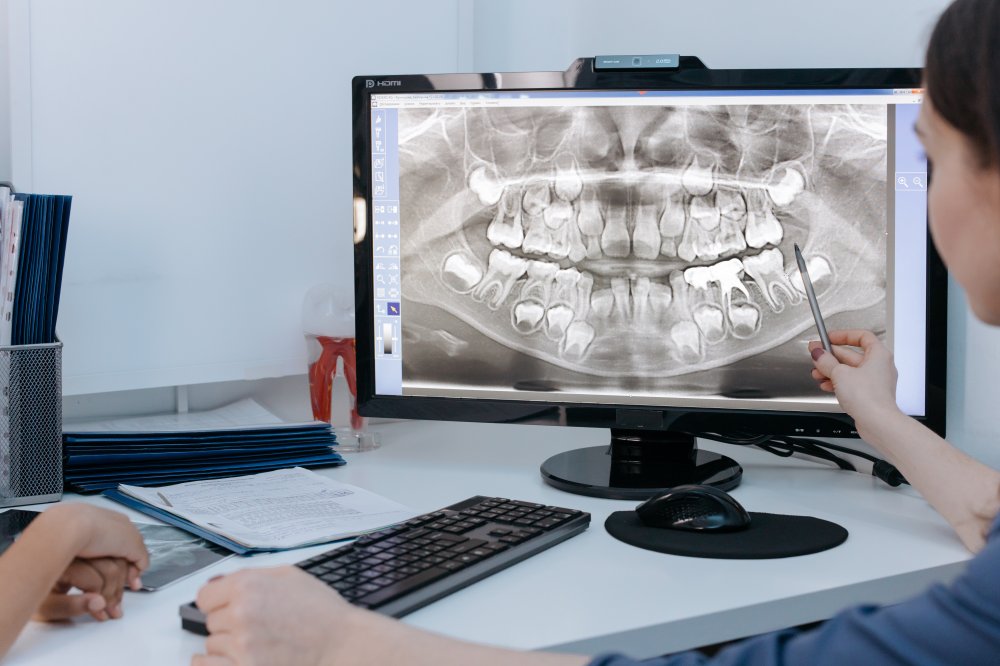
Panoramic (full-view) dental x-rays show the entire structure of a patient’s mouth in one image.
Bitewing
Bitewing dental x-rays earn their name because the dentist inserts a piece into the patient’s mouth on which they bite down. This type of x-ray only reveals a specific location but helps with finding issues between teeth. Often, the professional will have the patient bite down in multiple different areas for varying images.
Occlusal
The occlusal x-rays are used to track the development of an entire section of teeth on either the lower or upper jaw. These help with spotting impacted teeth, tumors, and other abnormalities.
Periapical
A periapical x-ray is used for studying a single tooth, from the surface down to the root.
Benefits of Dental X-Rays
Here are 3 immediate benefits of dental x-rays.
Identify health concerns
The more you know about what’s going on inside your mouth, the better your decision-making when planning your occupation, what toothpaste you use, mouthwash, and more. The more you’re aware of your health, the more peace of mind you’ll ultimately get.
Tracking wisdom teeth
Dental x-rays help track past dental work that has been performed but are also great for planning future dental work. Most people will develop wisdom teeth and dental x-rays help patients track the tooth’s development process.
Informs health professionals
In addition to the health decisions you make for yourself, most people also rely on guidance from their dentist. The more they know about the well-being of your teeth, the better their guidance. Sometimes dentists recommend different techniques or products depending on your health.
Do Dental X-Rays Show Cancers?
Dental x-rays can be used to identify cancers because the x-rays reveal growths and abnormal developments within the mouth.
Are Dental X-Rays Safe?
Dental x-rays are largely safe, but there is an inherent risk in the procedure. The x-ray would be impossible without some degree of radiation being used for scanning. However, there are federal and state restrictions in place to limit radiation exposure, and dental offices also use lead-lined gowns on patients for protection.
Contraindications to Dental X-Rays
- Pregnancy
We know that visiting the dentist is not on everyone’s bucket list, but we here at Sleep Dentistry value the oral health of you and your family. Take a chance with us today and find out more about our services.