


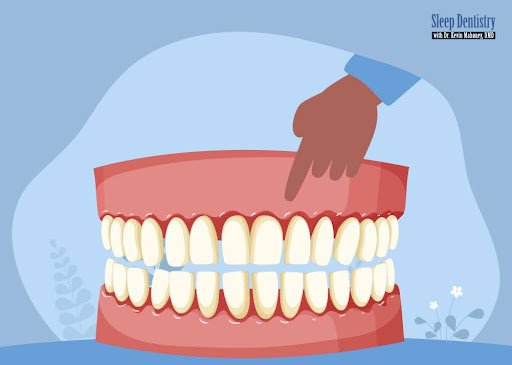
Despite being overlooked in our daily routines, maintaining healthy gums matters for overall dental health. Gum health is not just about preventing bad breath or ensuring a bright smile; it plays a vital role in protecting the underlying bone and supporting teeth.
One common issue that can arise from neglecting gum care is receding gums, a condition that can lead to tooth sensitivity, increased risk of decay, and even tooth loss if left untreated.
The good news? For those who experience dental anxiety, sleep dentistry offers a comforting solution, allowing patients to receive necessary treatments in a relaxed state.
In this blog, we will explore how to treat receding gums — and whether reversing them is possible.
Understanding Gum Recession
Before we explore how to fix receding gums, let’s go over the basics!
Gum recession is a dental condition where the gum tissue surrounding the teeth pulls back or wears away, exposing more of the tooth or its root. The result is increased sensitivity, aesthetic concerns, and a higher risk of tooth decay for affected patients.
Causes of Gum Recession
- Poor Oral Hygiene: Inadequate brushing and flossing can lead to plaque buildup, which hardens into tartar. This causes the gums to recede as they become inflamed and infected.
- Aggressive Brushing: While maintaining oral hygiene is important, brushing too hard or using a toothbrush with hard bristles may wear down the enamel and cause the gums to recede.
- Genetic Factors: Genetics play a significant role in gum health. Some patients may be more predisposed to gum recession due to their genetic makeup, regardless of their oral care habits.
- Periodontal Disease: This is a severe gum infection that damages the soft tissue and destroys the bone supporting the teeth. It is a major cause of gum recession and can lead to tooth loss if not treated promptly.
Symptoms and Signs of Receding Gums
Recognizing the symptoms of gum recession early will help patients seeking timely treatment. Common signs include:
- Tooth Sensitivity: Increased sensitivity to hot, cold, or sweet foods and drinks is often an early indicator of gum recession.
- Visible Roots: As gums recede, the roots of the teeth may become visible, making the teeth appear longer than usual.
- Loose Teeth: In advanced cases, teeth may feel loose due to the loss of supporting gum tissue and bone.
- Gum Inflammation: Swollen, red, or bleeding gums might be a sign of underlying gum issues, including recession.
Prevention of Gum Recession
By incorporating routine dental care and adopting healthy habits, you can significantly reduce your risk.
Routine Dental Care and Check-Ups
An experienced dentist like Dr. Mahoney can identify early signs of gum issues and provide professional cleanings to remove plaque that regular brushing might miss. These visits also offer an opportunity to receive personalized advice on how to fix receding gums and maintain better gum health!
Tips for Maintaining Healthy Gums
- Proper Brushing Techniques: Use a soft-bristled toothbrush and gentle, circular motions to clean your teeth. Avoid aggressive brushing, which can wear down enamel and irritate gums.
- Flossing Daily: Flossing is essential for removing plaque and food particles between teeth where a toothbrush can't reach. Make it a daily habit to prevent plaque buildup and maintain healthy gums.
- Using an Antibacterial Mouthwash: Use an antibacterial mouthwash in your oral care routine to help reduce plaque and prevent gum disease. Mouthwash can reach areas that brushing and flossing might miss, providing an extra layer of protection.
- Eating a Balanced Diet: A diet rich in vitamins and minerals supports gum health. Foods high in vitamin C (such as citrus fruits or leafy greens) work to strengthen your gums over time.
- Avoiding Tobacco Products: Tobacco use is a significant risk factor for gum disease and recession. Quitting smoking or using tobacco products will greatly improve gum health.
- Stress Management: Activities like exercise, meditation, or your favorite hobby can help prevent stress-related oral health issues.
How to Treat Receding Gums
If you notice signs of gum recession, it's important to take immediate action to prevent further damage. Here’s how to fix gum recession once you have it!
Steps to Take if You Notice Gum Recession
The first step is to schedule a dental appointment with us for a professional evaluation. Dr. Mahoney will assess the extent of your condition and identify any underlying causes (e.g., periodontal disease or improper brushing techniques).
Depending on the severity of the recession, treatment options may include deep cleaning procedures — such as scaling and root planing — or more advanced treatments like gum grafts.
How to Stop Receding Gums
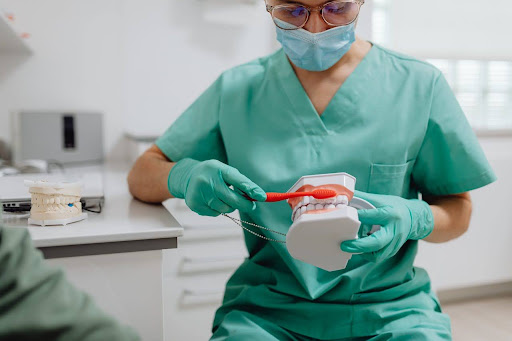
To prevent further gum recession, consider switching to a gentler oral care routine. Use a soft-bristled toothbrush and avoid aggressive brushing, which can exacerbate gum recession. Instead, employ gentle, circular motions to clean your teeth effectively without causing additional harm to your gums.
If you experience tooth sensitivity due to exposed roots, using desensitizing toothpaste can help manage discomfort. These kinds of toothpaste contain compounds that block the pathways to the nerves, reducing sensitivity and making it easier to maintain your oral hygiene routine comfortably.
Additionally, if teeth grinding (bruxism) is contributing to your gum recession, consider using a night guard. This dental appliance will protect your teeth and gums from the excessive pressure caused by grinding, especially during sleep.
How to Fix Receding Gums: Treatment Options for Patients
There are several effective treatment options, each tailored to the severity of the condition and the patient's specific needs.
One of the most common treatments for receding gums is scaling and root planing, a deep cleaning procedure that removes plaque and tartar from below the gum line. This process helps to smooth the tooth roots, making it more difficult for bacteria to adhere while promoting the reattachment of gums to the teeth. Scaling and root planing are often the first line of defense against gum recession and can be highly effective in the early stages.
For more severe cases of gum recession, gum graft surgery may be necessary. The procedure involves taking tissue (often from the roof of the mouth) and grafting it onto the affected areas to cover exposed roots and restore the gum line. Gum graft surgery can significantly improve the appearance of the gums, protecting the teeth from further damage.
A newer, less invasive option is the pinhole surgical technique. During this minimally invasive procedure, a small hole is created in the gum tissue, followed by the use of special instruments to loosen and reposition the gums over the exposed roots.
The pinhole technique is an attractive option for many patients because it offers a quicker recovery time and less discomfort compared to traditional gum graft surgery.
Can Gum Recession Be Reversed?
Now that we have a better understanding of how to fix receding gums, the next question our patients ask is this: can receding gums be reversed?
Unfortunately, once the gum tissue has receded, it does not naturally grow back. This means that reversing gum recession in the sense of regenerating lost gum tissue is not possible without surgical intervention.
Treatments like gum grafts can restore the gum line, but they do not reverse the recession naturally. Therefore, the focus is often on preventing further recession and managing the condition to maintain oral health.
Better Gum Health with Sleep Dentistry
Our team is here to provide personalized advice and explore gum recession treatment options tailored to your needs. Contact us today to take the first step towards healthier gums and a brighter smile!