


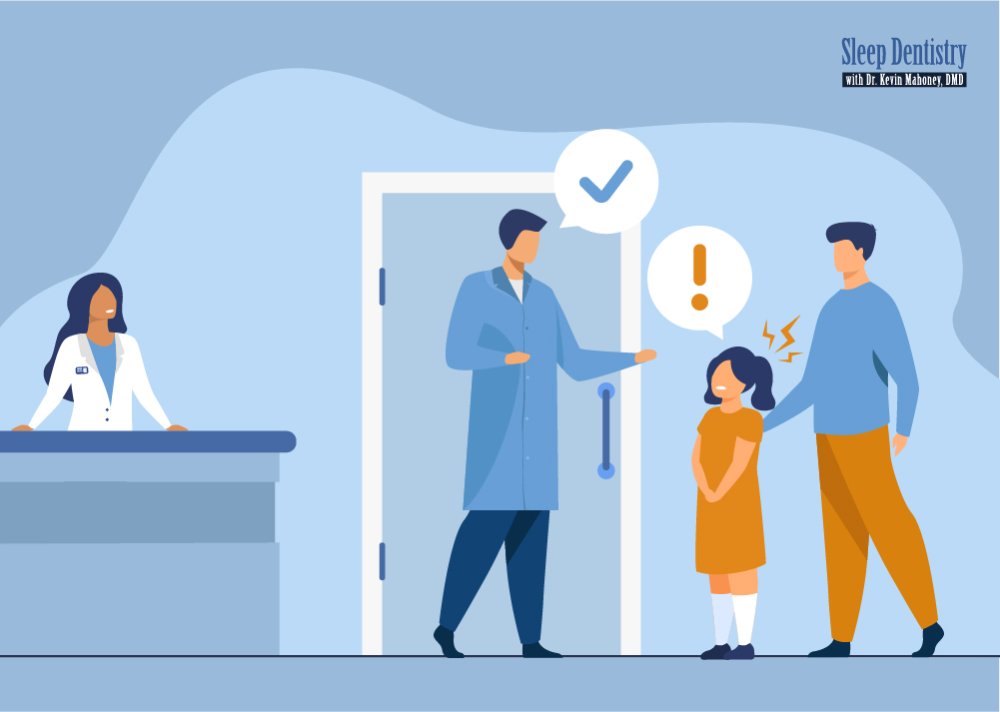
Millions of people around the world experience a shiver down their spine at the thought of a dental appointment. Dental anxiety is not only common, but it can also have serious consequences for one's oral health, often leading to delayed treatment or complete avoidance of the dentist altogether. This fear can stem from a variety of sources, such as past traumatic experiences, fear of pain, or the sounds and smells associated with dental work.
Recognizing the widespread nature of this issue, our office has taken a compassionate approach to become a safe space for those with heightened anxieties. We understand that the journey to oral health is not just about the treatment received in the dentist's chair — it’s also about managing the stress that comes with appointments.
If you’re scared of the dentist but need treatment, this post is for you! Our expert team is here to ensure that your path to a healthy smile is as comfortable and stress-free as possible. Whether you require a routine cleaning or more extensive treatment, we're here to support you every step of the way.
Understanding Dental Anxiety
Dental anxiety is a term used to describe the fear, stress, or unease that some individuals feel when they think about or attend dental appointments. This apprehension can be triggered by various fears, such as the anticipation of pain, negative past experiences, the sound of tools, or even the sterile smell of the dental office. For some, the mere sight of dental instruments can be enough to induce a state of panic.
Unfortunately, the consequences of avoiding dental care can become quite serious. Neglecting oral health has the potential to lead to tooth decay, gum disease, and even more serious health issues that extend beyond the mouth. As dental conditions worsen, the treatments required become more invasive, which, in turn, exacerbates the fear of seeking care. This creates a vicious cycle of avoidance and deteriorating oral health.
At-Home Strategies to Manage Dental Anxiety
For those who are scared of the dentist but need treatment, the journey to overcoming fear often begins at home. Several strategies can be employed to manage anxiety in the comfort of your own space, helping to make dental visits more bearable.
Deep Breathing Exercises
One of the simplest and most effective methods to calm anxiety is deep breathing. Focusing on taking slow, deep breaths can reduce your heart rate and ease the body's stress response. Practice inhaling deeply through your nose, holding for a few seconds, and then exhaling slowly through your mouth. Doing this for several minutes will help create a sense of calm.
Guided Imagery and Meditation
Engaging in guided imagery or meditation may also be beneficial. These practices involve visualizing a peaceful scene or focusing on a specific thought to enter a state of relaxation. There are many apps and other online resources available that provide guided sessions specifically designed to reduce anxiety.
Discussing Fears with Friends or Support Groups
Sharing your concerns with friends or joining a support group is an excellent way to receive real comfort and advice. Knowing you're not alone in your fears can be incredibly reassuring, and others may share strategies that have worked for them in the past.
Seeking Professional Counseling if Needed
If your dental anxiety is particularly severe, it may be helpful to seek professional counseling. Therapists will work with you to develop personalized strategies to manage your anxiety, using techniques such as cognitive-behavioral therapy (CBT) to address the root causes of your fear.
Preparing for Your Visit
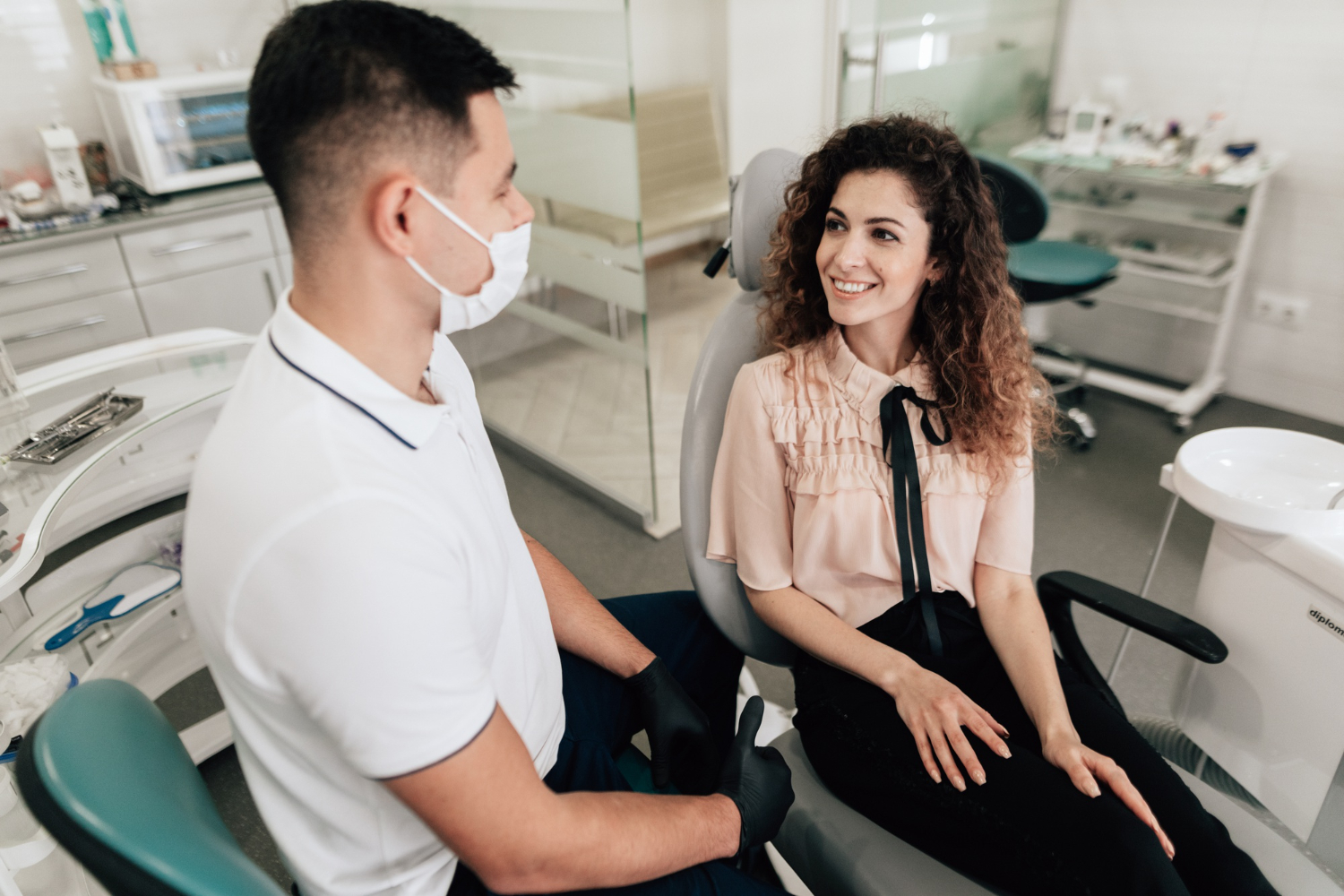
The anticipation of a dental appointment can often be the most anxiety-inducing part. But with the right preparation, you will significantly reduce your stress levels before ever stepping foot in the dentist's office.
Before Your Appointment
The anticipation of a dental appointment can often be the most anxiety-inducing part. However, with the right preparation, you can significantly reduce your stress levels before ever stepping foot in the dentist's office.
- Schedule Wisely: Choose an appointment time when you're least likely to be rushed or under pressure. For many, a morning appointment can help prevent anxiety from building up throughout the day.
- Stay Informed: Knowledge is power. Learn about the procedure you'll be undergoing. Understanding what to expect can help demystify the process and alleviate fears of the unknown.
- Avoid Caffeine and Sugar: On the day of your appointment, steer clear of caffeine and sugar, which can increase your anxiety and make you more jittery.
- Bring Distractions: Prepare a playlist of your favorite calming music or an audiobook to listen to during the appointment. This can help distract your mind and soothe your nerves.
- Practice Relaxation Techniques: Use the mindfulness and relaxation techniques you've practiced at home to keep your anxiety in check before and during the appointment.
During Your Appointment
Before beginning the procedure, agree on a hand signal with your dentist that will indicate you need a break; this could be as simple as raising your hand. Knowing you have the control to pause the treatment can provide immense relief. Being open and honest with your dental team is key!
- Discuss Your Fears: Be upfront with your dental team about your anxieties. They are trained to help patients with dental fears and can adjust their approach to make you more comfortable.
- Ask Questions: Don't hesitate to ask questions about any aspect of your treatment. Your dentist will take the time to provide clear answers and reassure you.
- Provide Feedback: After your appointment, share what worked and what didn't with your dentist. This will help them provide even better care in the future.
In-Office Anxiety Reduction Measures
Appointments are a daunting experience for patients who are scared of the dentist but need treatment to better their oral health. That’s why our office includes a variety of in-office measures designed to reduce stress, creating a more calming environment for our patients.
Creating a Welcoming Environment
For those struggling with the fear of dental treatments, our practice offers a relaxation room — a special sanctuary designed to help patients unwind before their appointments. This unique spa incorporates comfortable seating, soothing wall colors, and a peaceful ambiance for a self-care retreat. To enhance your experience, we also offer an exclusive massage chair session, available before and after your treatment.
Dental Therapy Dogs
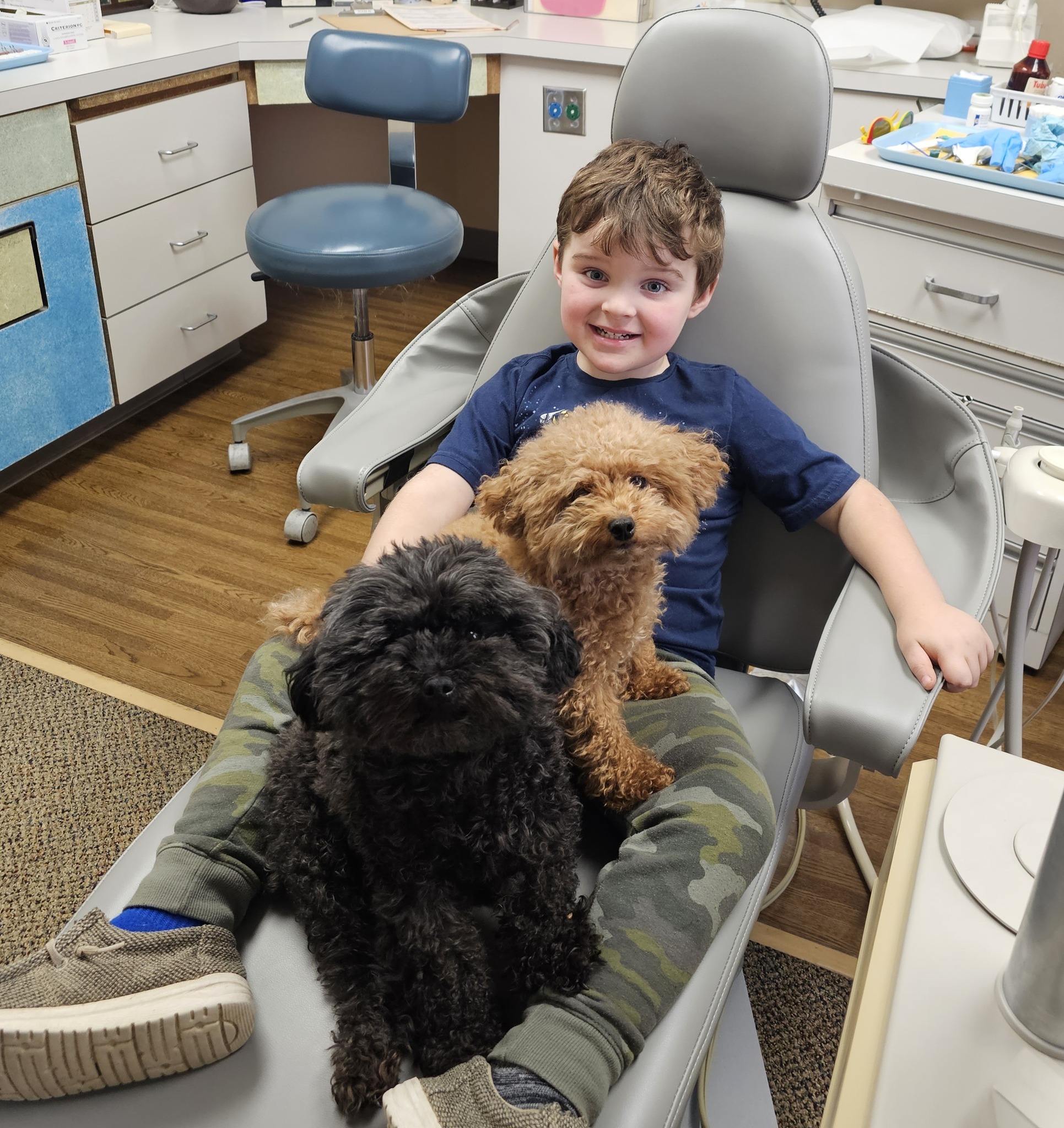
These specially trained canines are becoming a fixture in many practices, offering a paw to hold for patients grappling with dental anxiety. Their warm, accepting presence can be a significant emotional support for patients who feel anxious or fearful about their dental treatment. The simple act of stroking a dog's fur can trigger the release of endorphins (the body's natural stress-relievers), promoting a sense of calm and well-being.
The benefits of animal-assisted therapy in medical settings are backed by science. Interactions with therapy animals have been shown to lower blood pressure, reduce heart rate, and decrease levels of cortisol, a hormone associated with stress. These physiological changes are conducive to a more relaxed state, which is particularly beneficial in a dental setting where anxiety may run high.
At our practice, you’ll find our resident “Dogtor” Gizmo, and his adorable little brother Gadget! As licensed therapy dogs, these playful pups are guaranteed to put a smile on your face, providing much-needed cuddles to all patients with dental anxiety.
Sleep Dentistry (General Dental Anesthesia)
Sleep dentistry, also known as general dental anesthesia, is a method of managing pain and anxiety during dental procedures by putting patients into a deep sleep. This technique is particularly beneficial for those with severe dental anxiety, special needs, or for those undergoing extensive dental work.
Unlike local anesthesia (which numbs a specific area,) or sedation dentistry (which relaxes the patient without putting them fully to sleep), general anesthesia renders the patient completely unconscious and free of any discomfort during the procedure.
How Sleep Dentistry Works
The process of sleep dentistry involves the administration of general anesthetics, typically through inhalation or an intravenous line. These medications are carefully monitored to ensure the patient remains asleep and does not experience any pain throughout the dental treatment. An anesthesiologist or a dentist with specialized training will oversee the administration, continuously monitoring the patient's vital signs to ensure their safety.
Note that providers of sleep dentistry are required to have specific qualifications and training to administer general anesthetics. They must have the necessary certifications to respond to any emergencies that may arise.
Our office is fully equipped with advanced monitoring technology to track patients' heart rate, blood pressure, oxygen levels, and other vital signs during the procedure.
Patient Eligibility
Patient eligibility for sleep dentistry is determined on a case-by-case basis. It is often recommended for patients who have a high level of dental fear, those with certain medical conditions, or those who need significant dental work that would be difficult to endure while awake. Before being considered for general anesthesia, patients will undergo a thorough evaluation to discuss their medical history and any medications they are taking; this is done to ensure that they are good candidates for the procedure.
On the day of the treatment, you will need someone to accompany you to the appointment and drive you home afterward, as the effects of the anesthesia can take some time to wear off. Post-procedure, patients may feel groggy and will be advised to rest for the remainder of the day.
Aftercare and Ongoing Support
Our patients have access to support that helps them apply relaxation techniques in their daily lives. For those who require additional support, we can provide referrals to therapists who specialize in managing dental anxiety.
If you’re scared of the dentist but need treatment, we’ve found that an effective way to minimize this anxiety is to prevent the conditions that often cause it — such as the need for extensive dental work. We encourage regular visits to our practice as a means of maintaining oral health and catching potential issues early. Over time, this familiarity can significantly reduce anxiety, as patients know they are in the hands of a team that understands their individual needs and concerns.
Say Goodbye to Stress with Sleep Dentistry!
Take the first step towards conquering dental anxiety and ensuring your oral health is in top shape. Contact us today to schedule your appointment!