


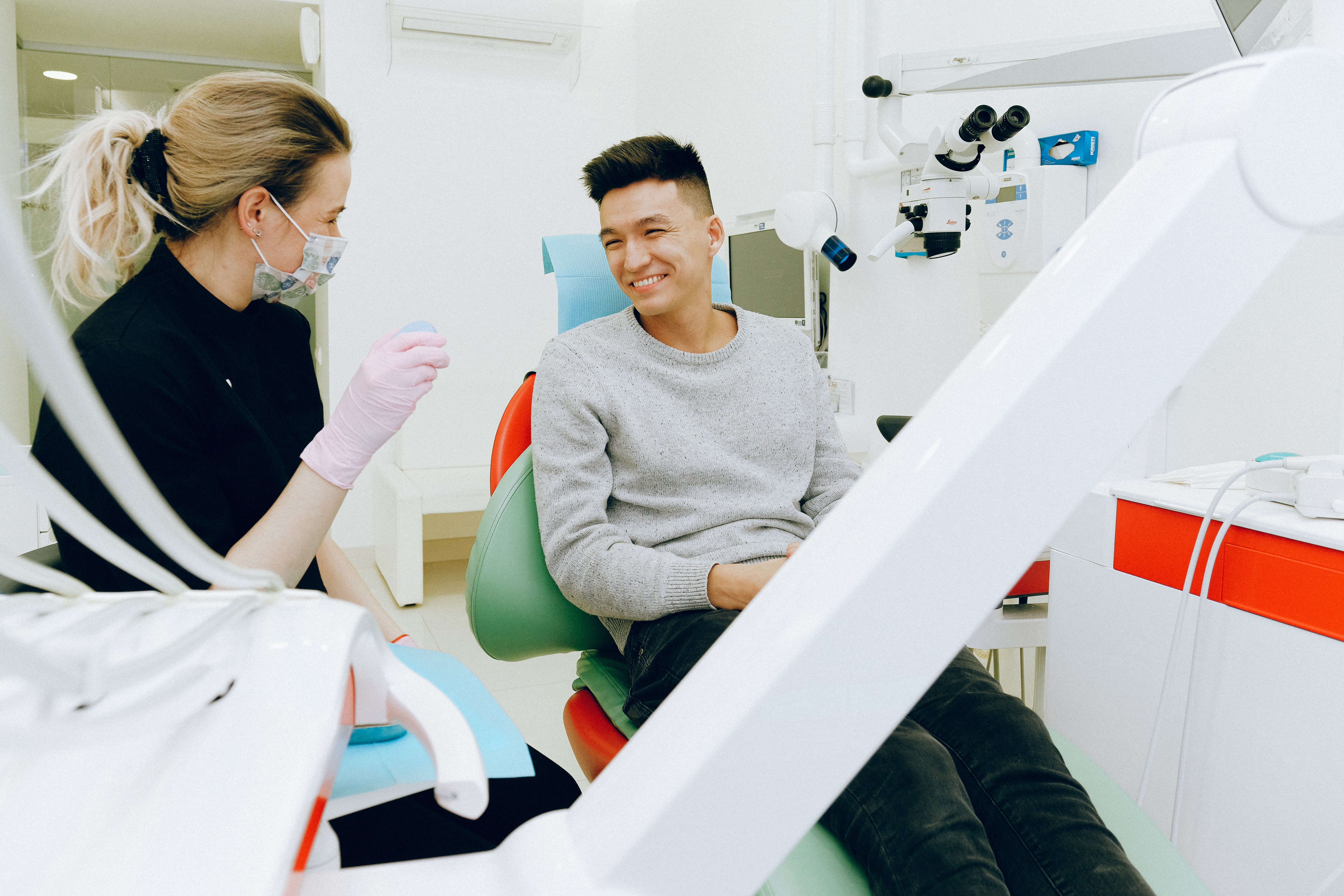

Root canals are one of the most common dental procedures, but there is a lot of misinformation floating around about them. One of the biggest misconceptions about root canals is that they are painful, but this isn’t the case.
Root canals are so routine that most patients who receive them liken them to a standard tooth filling — there’s nothing to worry about!
However, for people with mild dental anxiety to dental phobia, root canals can be performed by a certified dental anesthesiologist such as Dr. Kevin Mahoney, who will use the appropriate medications to ensure maximum comfort during this simple procedure.
How Do You Know if You Need a Root Canal?
The biggest warning sign that you may need a root canal is experiencing constant tooth pain. This is because persistent oral pain can be an indicator of internal tooth decay, which is what a root canal fixes.
If you start to experience any kind of oral pain that doesn’t go away on its own after a short period, it’s always best to go in for a dental checkup as soon as possible to determine the best course of action.
Even if tooth decay isn’t the reason for your dental pain, you may have another issue, such as a cavity, a gum infection, or a damaged filling. All of these potential issues are easily solvable, but the sooner you catch them, the better!
In addition to persistent oral pain, other signs that you might need a root canal include:
- Tooth discoloration
- Sensitivity to hot and cold foods/beverages
- Visible cracks or chips on a tooth
- Swollen gums
- Pain when eating/when you touch a certain tooth
- A loose tooth
What Happens During a Root Canal?
During a root canal, the dentist will carefully and gently remove the inflamed pulp from your infected tooth, then clean and disinfect the canals inside the tooth. After the tooth has been treated, the dentist seals it with a tooth-colored filling, and it looks and feels as good as new again!
As we touched on earlier, most patients don’t feel a root canal any more than they do a standard dental filling, such as one for a cavity. The whole process normally takes 30 minutes to an hour. The sooner you get a root canal taken care of, the faster the procedure tends to be.
How Sleep Dentistry Cares for You During Root Canals
Although root canal procedures are usually very quick and painless, we know that some people are nervous and anxious about any trip to the dentist’s office.
Our team at Sleep Dentistry is committed to going above and beyond to provide our patients with comfortable dental care — without all the additional stress you may experience at a “normal” dentist’s office.
Based on your level of dental anxiety, we will determine the best way to make you comfortable and relaxed during a root canal.
For those with little to no dental anxiety, we typically use topical or local anesthesia to numb the area of the root canal.
If you have moderate dental anxiety, we may use mild to moderate sedation to put you even more at ease during the procedure, without putting you all the way to sleep.
If you’re someone with high levels of dental anxiety or dental phobia, we will use general dental anesthesia to put you to sleep for the duration of a root canal. You will be fully unconscious, so you won’t have any awareness of the procedure at all.
No matter what type of anesthesia or sedation we use for your root canal, our compassionate, professional team, and certified sleep dentist Kevin Mahoney will monitor you closely the entire time to ensure you remain comfortable and safe.
To help soothe our patients, cuddly reinforcements in the form of dental therapy dogs Dogtor Gizmo and Gadget are available for snuggles before, during, or after any procedure!
What Does Root Canal Recovery Look Like?
Many people fear that they will feel tooth pain after a root canal procedure. However, the opposite is true.
Because the purpose of a root canal is to remove the infected pulp that is causing dental pain in the first place, most patients feel immediate relief after they get a root canal.
While you shouldn’t experience any major pain after a root canal, you might notice some tooth sensitivity in the first few days after the procedure. This is normal, and any discomfort is usually manageable with simple over-the-counter pain medications, such as ibuprofen.
Other than taking some mild painkillers after a root canal, you should also avoid certain foods that are hard to chew for the first couple of days after the procedure. Try to stick to soft foods, such as the following:
- Pasta
- Mashed potatoes
- Yogurt
- Soups
- Scrambled eggs
- Soft fruit
- Soft cheeses
- Cooked vegetables
- Soft bread
- Ice cream, frozen yogurt, or sorbet (you deserve a treat!)
As any tooth sensitivity after a root canal subsides after a day or two, you can gradually start to introduce different foods to your diet and see how you feel. Aim to chew mainly with the side of your mouth opposite where you had the root canal performed until you are finished recovering.
Besides watching what you eat, root canal aftercare is pretty basic: just brush and floss your teeth as you normally would and use an antibacterial mouthwash between brushings to keep the treated area clean. You should feel completely normal again after less than a week!
Experience the Best Care From Sleep Dentistry
Experiencing persistent dental pain can be scary, but a root canal can often address the source of the pain and provide immediate relief.
We know that many people put off trips to the dentist, even when they’re experiencing pain, because of dental anxieties and phobias. However, avoiding necessary dental procedures can just make problems bigger.
That’s why we offer the best sleep dentistry treatments for patients with all levels of dental anxiety. We want to make sure every patient can get the treatment, root canal or otherwise, that they need — without any added stress.
Contact us today for more information about our sleep dentistry services or to schedule an appointment with Dr. Mahoney.