
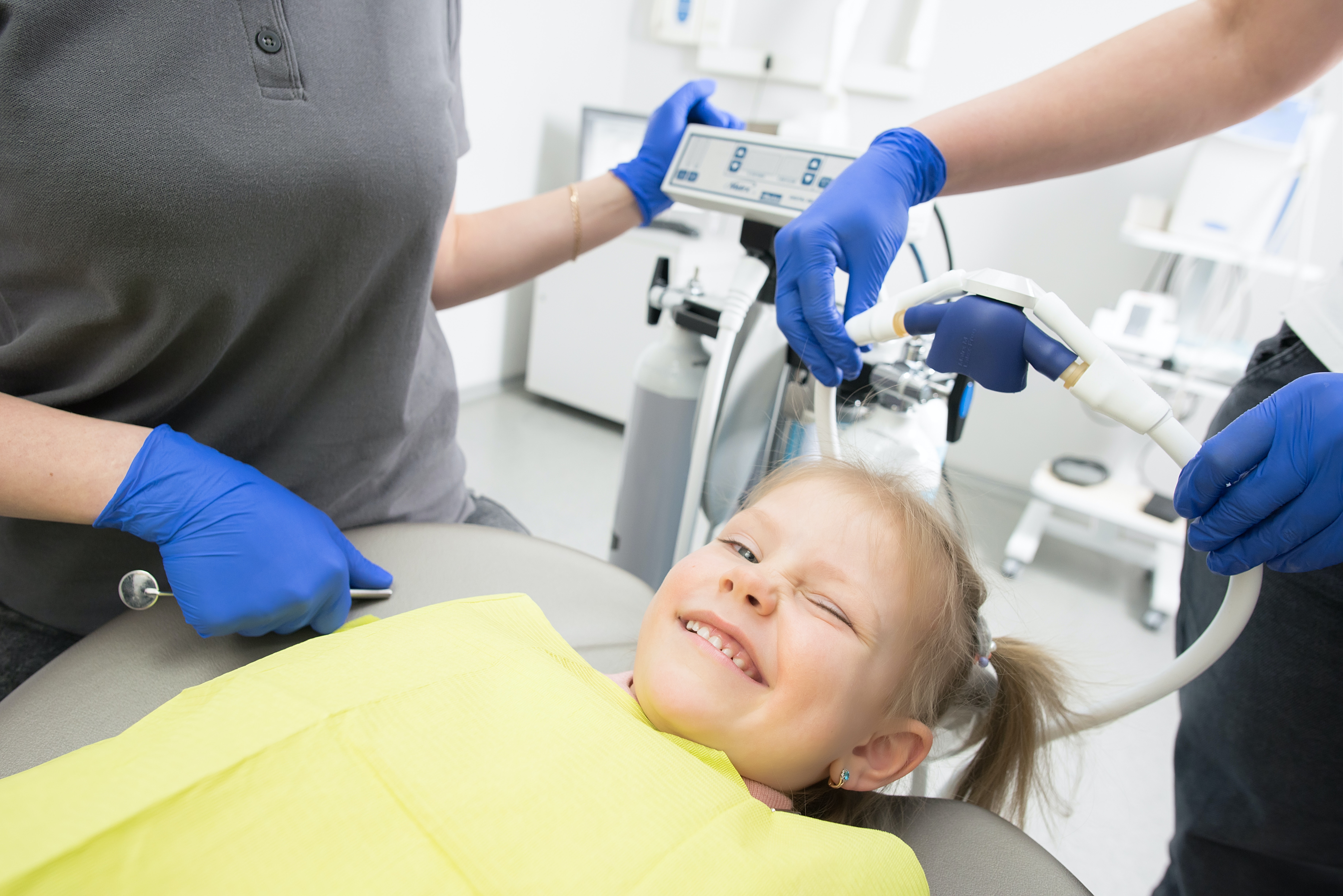
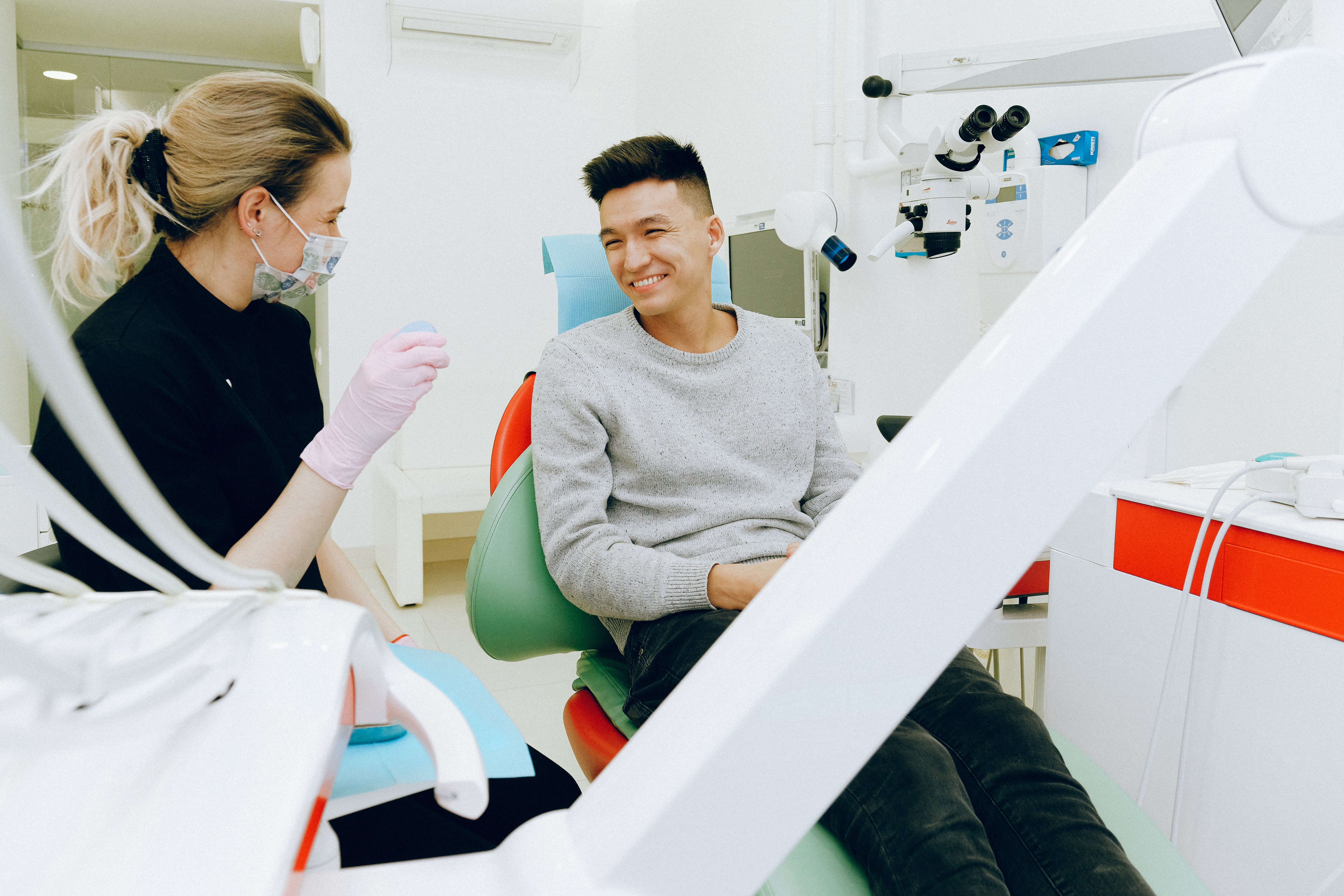

For many dental patients, the question of “How often should I get my teeth cleaned?” could be more accurately phrased as “How seldom can I get away with it?” Most dentists recommend a professional teeth cleaning (AKA oral prophylaxis) every six months. That’s frequently enough to spot any suspicious developments early and to address any current problems before they become worse. With timely course correction, you could save thousands of dollars in future oral healthcare costs. Better yet, most private insurers cover the cost of two dental check-ups and cleanings annually, making it a financially viable choice as well.
Of course, individual situations and needs may vary. If you drink water throughout the day, avoid snacking between meals (especially sugary ones), brush and floss daily, have never had a cavity or filling, and are otherwise healthy, you’re probably fine with just one dental visit a year. Conversely, if you’re a smoker, take medications (many of which contribute to dry mouth), suffer from a chronic health condition (e.g., diabetes), or wear a dental appliance, you may need to have your teeth cleaned more often, perhaps three or four times a year.
It’s one thing to schedule cleanings during a normal year, but what about this year? Will you still be okay if your latest appointment is delayed due to COVID-19?
How quickly does plaque lead to tooth decay?
Plaque — the sticky, bacteria-laden film that forms on teeth after eating (especially foods high in the carbohydrates that fuel those bacteria) — can quickly cause problems if it’s not removed by brushing, flossing, and rinsing. In fact, within 48 hours, it will begin to harden into tartar (AKA dental calculus), which traps more food particles and plaque, weakening enamel and irritating gum tissue. Left alone too long, the buildup can lead to tooth decay, gingivitis, and periodontal disease (AKA gum disease). Dental calculus cannot be removed at home; it essentially must be power-washed away with specialized dental equipment.
COVID-19 and challenges to professional teeth cleanings
In the past two months, the Pennsylvania Department of Health has revised its guidance for dental healthcare professionals to conditionally allow for non-emergent dental care — procedures that don’t address an immediate threat to life (dental emergency) or a situation that might entail serious complications if ignored (urgent dental care). If a practice is located in an area without evidence of community spread, it can resume operations under standard CDC precautions.
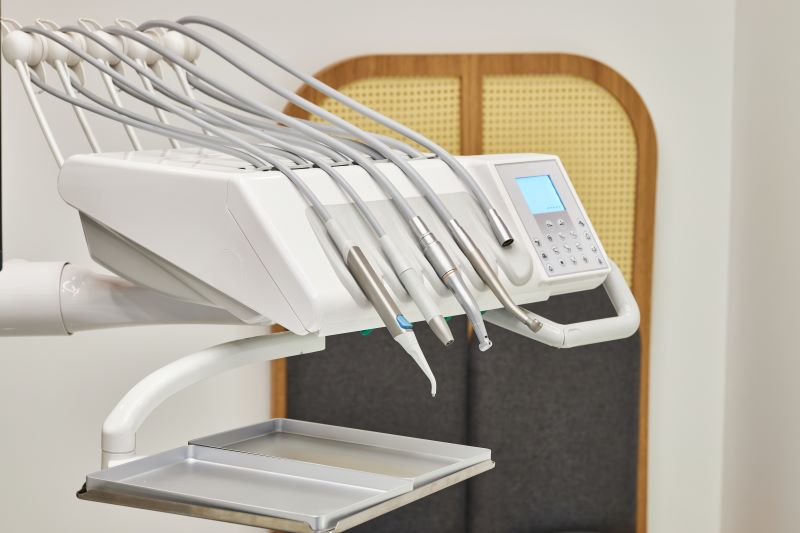
In an area with existent but minimal community transmission rates of COVID-19, such as Erie County, the CDC’s interim guidance recommends prioritizing patients at higher risk of complication if services were to be deferred. Devices that create an aerosol — airborne sprays or spatters — are only to be used when necessary. Some essential dental hygiene equipment, such as ultrasonic scalers (e.g. Cavitron) and air-water syringes, fall under this category. For all procedures — and especially those that could involve aerosolization — proper personal protective equipment such as N95 respirators, gloves, gowns, and face shields are required.
Rescheduling appointments at Sleep Dentistry
At Sleep Dentistry Erie with Dr. Kevin Mahoney, we recognize and embrace the full and comprehensive spectrum of dental care, from emergency root canals to routine teeth cleanings. As Erie County begins to reopen and adjust to the current reality, we are doing everything in our power to welcome our patients back safely. We’ll be cleaning and sanitizing more often, staggering appointments to limit the number of people simultaneously on-site, and confirming with our patients that they haven't experienced COVID-19 symptoms before seeing them.
If you’ve been wondering how often you should get your teeth cleaned and it’s been a while, then you’re probably due! We will be calling our previously registered and scheduled patients first, and will happily find appointment slots for new patients as safely and efficiently as possible. If the current health crisis has made you more nervous or anxious to visit the dentist than ever before, remember that we can render care under sedation or general anesthesia so you can relax or even sleep through it. As always, we’re here to help you through this.