

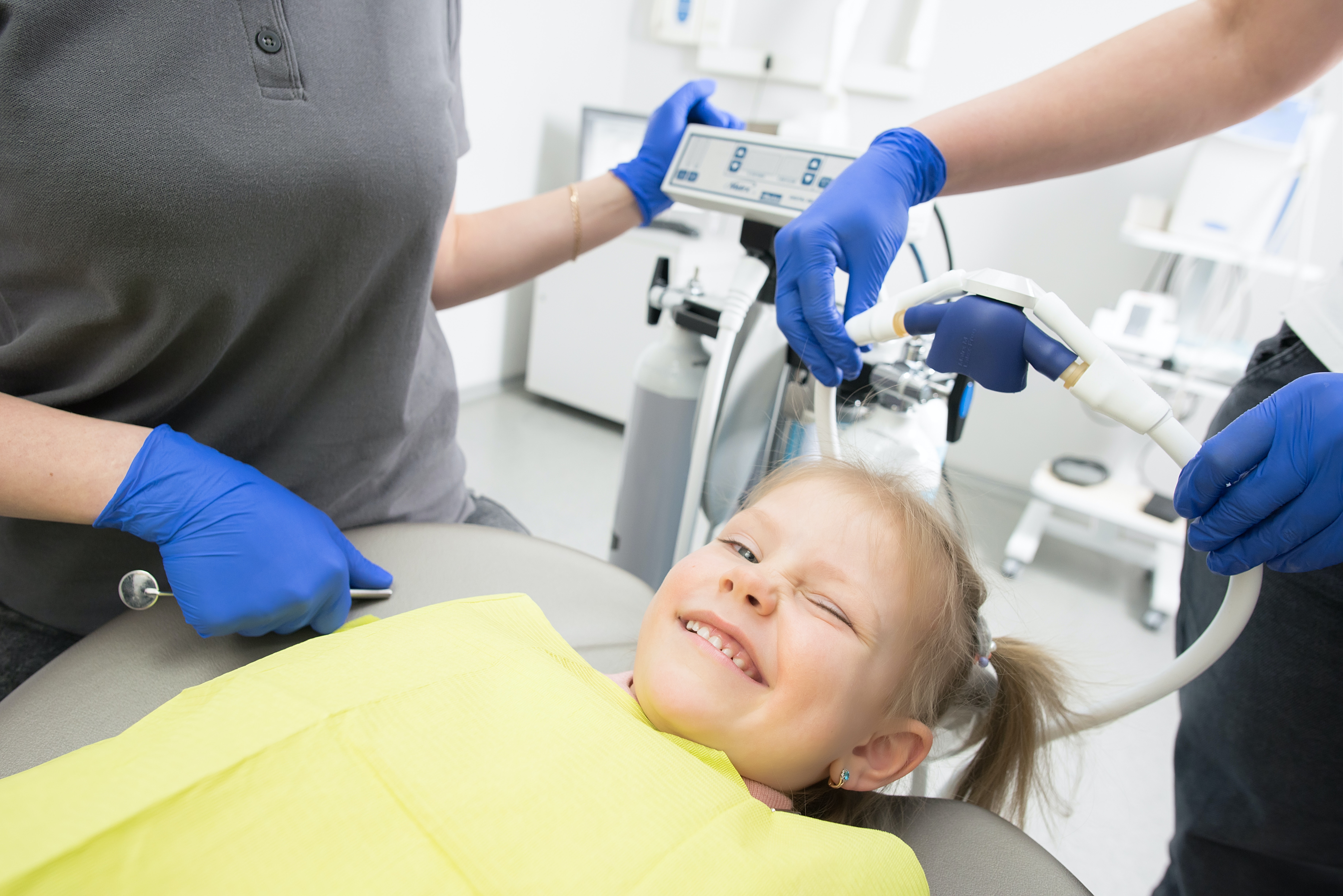


As parents, we strive to ensure our children are healthy and happy, including taking care of their dental health from an early age. While it might be easy to overlook the importance of baby teeth, they play a crucial role in your child's overall development. Healthy baby teeth are essential for proper chewing, speech development, and maintaining space for permanent teeth.
However, cavities in baby teeth are a common concern that many parents face. In this blog, we'll explore the importance of maintaining your child's dental health and provide actionable steps to prevent and treat cavities in baby teeth.
Understanding Baby Teeth Cavities
Cavities are caused by the breakdown of tooth enamel (the hard, outer layer of teeth) due to the presence of bacteria in the mouth. These bacteria feed on sugars from food and drinks, producing acids that erode the enamel. In toddlers, several factors can contribute to the development of cavities, including:
- Diet: Frequent consumption of sugary snacks and drinks can increase the risk of cavities. Sticky foods that cling to teeth are particularly harmful.
- Poor Oral Hygiene: Inadequate brushing and flossing allow plaque — a sticky film of bacteria — to build up on the teeth, leading to tooth decay.
- Bottle Feeding: Prolonged use of bottles, especially when filled with sugary liquids, can cause what’s known as "baby bottle tooth decay." Allowing a child to fall asleep with a bottle can worsen this issue.
- Genetics: Some children may be more prone to cavities due to genetic factors that affect the strength of their enamel.
Why It’s Important to Address Cavities in Baby Teeth
It might be tempting to think that cavities in baby teeth are not a significant concern since these teeth will eventually fall out. However, addressing cavities in baby teeth is crucial for several reasons.
Cavities can cause significant pain and discomfort for your child, affecting their ability to eat, sleep, and concentrate. Untreated cavities may potentially lead to infections that may spread to other parts of the body, posing serious health risks.
Additionally, cavities in baby teeth affect permanent teeth in terms of development; in fact, they play a vital role in guiding the proper alignment and spacing of your child’s permanent teeth. Premature loss of baby teeth due to decay can lead to misalignment and other orthodontic issues later on.
Healthy baby teeth are also essential for the development of clear speech, and cavities or tooth loss may interfere with your child's ability to articulate words correctly. Addressing cavities from an early age helps instill lifelong dental care habits, setting the stage for a future of healthier teeth and gums.
Treatment Options for Cavities in Baby Teeth
When it comes to treating cavities in baby teeth, the primary goal is often to preserve the tooth whenever possible. Keeping the tooth is recommended when the decay is not too extensive and the tooth can be restored to its normal function.
Preserving baby teeth is important because they play a crucial role in maintaining the proper spacing for permanent teeth, aiding in speech development, and allowing your child to chew food effectively. A pediatric dentist will typically recommend treatments that save the tooth if the tooth structure is still largely intact and the decay has not reached the pulp (the innermost tooth layer) or caused an infection.
Tooth Fillings
A common treatment option, some baby teeth cavities will need fillings. The type of filling used can vary based on the location and extent of the cavity, as well as the child's age. The most common types of fillings for young patients include:
- Composite Fillings: These are tooth-colored fillings made from a mixture of plastic and fine glass particles. They are aesthetically pleasing and bond well to the tooth structure, making them a popular choice for visible teeth.
- Amalgam Fillings: Made from a combination of metals, including silver, tin, and copper, amalgam fillings are durable and often used for back teeth where the chewing forces are greater. While not as aesthetically pleasing as composite fillings, they are highly effective in restoring proper function.
- Glass Ionomer Fillings: These fillings release fluoride, which can help protect the tooth from further decay. They are often used for fillings in areas that are not subject to heavy chewing pressure.
Tooth Removal
Tooth removal may be necessary if the cavity is too extensive to be treated with a filling or dental crown. This is often the case when the decay has reached the pulp of the tooth or when the tooth is severely damaged and cannot be restored. Tooth removal might also be recommended if the tooth is causing pain that cannot be alleviated through other treatments.
While the idea of removing a baby tooth can be concerning for parents, it's important to remember that this step is taken to protect your child's overall oral health. In cases where a baby tooth is removed prematurely, a space maintainer may be used to ensure that the surrounding teeth do not shift into the empty space, preserving proper alignment for permanent teeth.
Can You Reverse or Slow Down Tooth Decay?
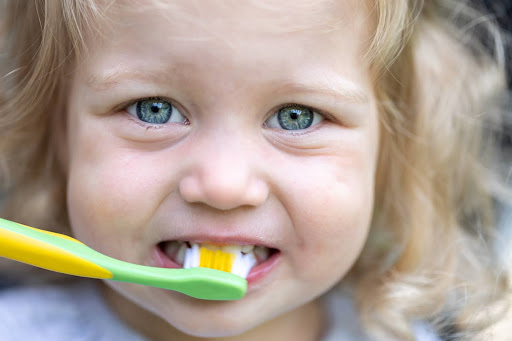
Early indicators of tooth decay in children include white spots on the teeth and sensitivity to hot, cold, or sweet foods. If left unchecked, these early signs can progress to visible holes or cavities, pain, and even infection.
Intervention at the earliest stages can sometimes reverse or stop the progression of decay. Regular dental check-ups, for example, are essential for early detection. Additionally, maintaining a proper oral hygiene routine — brushing twice a day with fluoride toothpaste and flossing daily — helps to manage and prevent further decay.
Fluoride Treatments
Fluoride treatments are often administered by a dentist and involve applying a concentrated fluoride solution to the teeth. This treatment helps to remineralize the enamel, making it more resistant to acid attacks from bacteria and minimizing the risk of cavities in baby teeth.
The benefits of fluoride treatments are well-documented. They have been known to significantly reduce the risk of cavities, strengthen the enamel, and even reverse early signs of decay. For children at a higher risk of tooth decay, dentists may recommend additional fluoride treatments or the use of fluoride supplements. Fluoride gels are also available for home use, providing an extra layer of protection.
The Role of Diet in Managing Tooth Decay
Foods and drinks high in sugar or starches contribute to the formation of cavities in baby teeth, as they provide a food source for the bacteria that produce decay-causing acids. To manage tooth decay, it is important to limit the intake of sugary snacks and beverages, including juice and soda.
Encouraging a balanced diet rich in fruits, vegetables, whole grains, and dairy products can help maintain healthy teeth; foods high in calcium (i.e. milk, cheese, yogurt) are particularly beneficial as they work to strengthen the enamel.
How to Prevent Cavities in Toddlers
Establishing a daily brushing and flossing routine is essential for preventing cavities in toddlers. For young children, brushing should be done twice a day — once in the morning and once before bed. Use a small, soft-bristled toothbrush and a pea-sized amount of fluoride toothpaste. Gently brush all surfaces of the teeth, including the front, back, and chewing surfaces, for about two minutes. For toddlers who are not yet able to spit out toothpaste, use a smear of toothpaste about the size of a grain of rice.
Flossing should begin as soon as your child has two teeth that touch. Use a small piece of floss or a floss pick designed for children to gently clean between the teeth. This helps remove food particles or plaque that a toothbrush might miss.
Choosing the Right Toothbrush and Toothpaste
Choose a toothbrush with a small head and soft bristles that can comfortably fit in your child's mouth. Many toothbrushes designed for toddlers come with fun colors or characters to make brushing more appealing.
When it comes to toothpaste, opt for one that contains fluoride. Ensure the toothpaste is age-appropriate with a flavor your child likes, which can make brushing a more enjoyable experience. Always supervise your child while brushing to ensure they use the correct amount of toothpaste and brush properly.
How to Make Brushing Fun
Making brushing fun and engaging can help encourage your toddler to develop good oral hygiene habits. Here are some tips to make brushing easier for your little ones:
- Use a Timer: Play a two-minute song or use a fun timer to make sure your child brushes for the recommended duration.
- Brush Together: Set a good example by brushing your teeth alongside your child. This can turn brushing into a bonding activity that they’ll look forward to!
- Storytelling and Games: Create a story or game around brushing, such as using a reward chart to track brushing progress.
- Interactive Apps: There are many apps designed to make brushing fun, featuring characters and interactive elements that guide children through the brushing process.
Foods to Include in Your Child’s Diet
A balanced diet plays a significant role in preventing cavities in baby teeth. Encourage your child to eat foods that promote dental health, such as:
- Dairy Products: Milk, cheese, and yogurt are rich in calcium and phosphates, strengthening tooth enamel.
- Fruits and Vegetables: Crunchy fruits and vegetables like apples, carrots, or celery help clean teeth and stimulate saliva production, which neutralizes acids.
- Whole Grains: Foods like whole grain bread and cereals provide essential nutrients without the added sugars found in many processed foods.
- Water: Encourage your child to drink plenty of water to wash away leftover food particles and bacteria.
Foods & Habits to Avoid
To prevent cavities, it's important to limit foods and certain habits that contribute to tooth decay:
- Sugary Snacks and Drinks: Avoid giving your child sugary snacks, candies, or drinks like soda and juice, which contribute to cavities.
- Sticky Foods: Foods that stick to teeth, such as gummy candies and dried fruits, can increase the risk of decay.
- Bottle Feeding at Bedtime: Avoid putting your child to bed with a bottle of milk, juice, or any sugary liquid. If your child needs a bottle at bedtime, fill it with water instead.
Give Your Child a Better Smile with Sleep Dentistry!
At Sleep Dentistry, we offer comprehensive pediatric care for children. Our resident therapy dog, Gizmo, will lend a helping paw to our youngest patients with dental phobias or anxiety. Schedule an appointment for your child today and experience the difference!