

Family Dentistry in Erie, PA


Families are the heart of our lives. They teach us right from wrong, love from hate, and create a sense of belonging that makes everything better. As we grow up, they're always there to support us no matter what life throws at us. And when it comes to dental care for family members? We have you covered! 

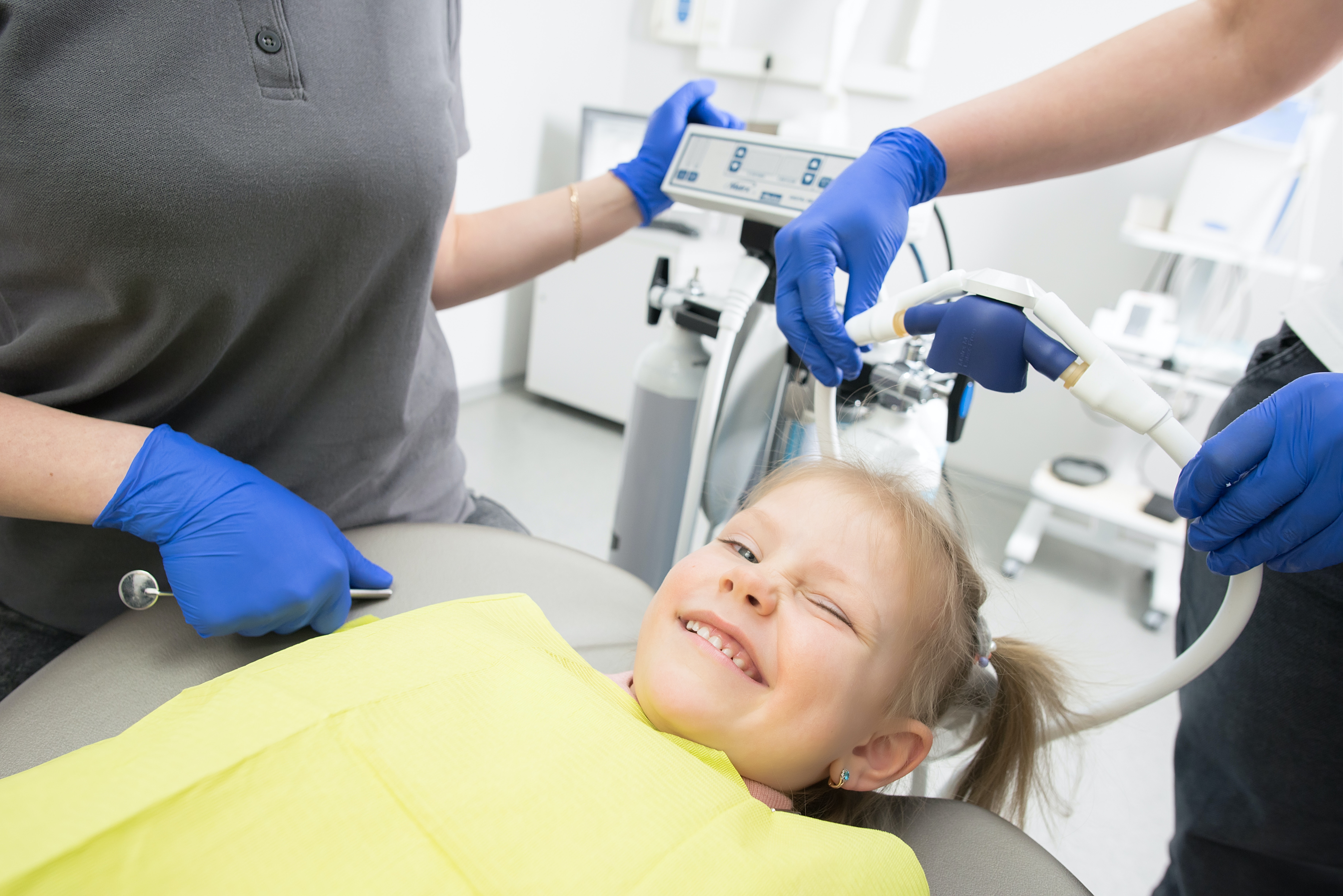
Our family dentistry services are designed to accommodate all family members. From toddlers to adults, you have options here at our family dentistry office!

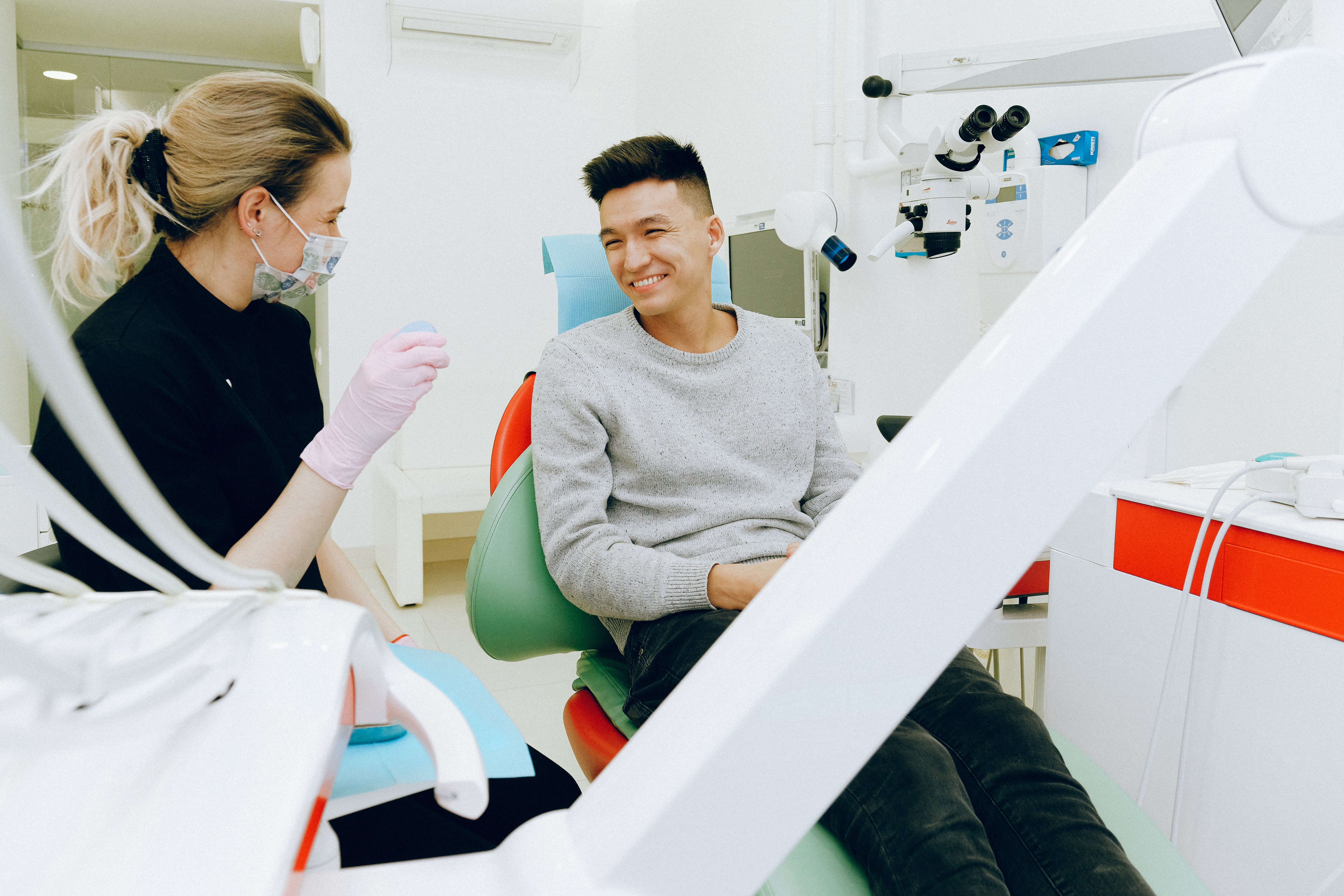
Dr. Kevin Mahoney and his staff are dedicated to providing you and your family with the best family dentistry experience care possible. Our goal is for you to feel comfortable, cared for, and satisfied every time you visit our office. You’re more than just a patient- you’re our neighbors, friends, and family.

From teeth cleanings, x-rays, and other routine care - we can take care of everything right here in one convenient location.

When it comes to family dentistry procedures, you'll be pleased with our compassionate staff and state-of-the-art technology (for both your comfort and safety). We want all family members to enjoy their family dentistry experiences here at Sleep Dentistry.

Family Dental Services

  1. Teeth Cleaning
  2. Dental X-Rays
  3. Tooth Removal
  4. Root Canals

The teeth you take care of today will be the only ones you’ll have tomorrow! We encourage preventative care and want our patients to know that it is always better to take care of your mouth now than to wait for a problem later.

We at Sleep Dentistry proudly serve residents in Erie, PA, and the surrounding areas!

Family Dentistry FAQs

Do cavity fillings hurt?

Since your gums are numbed with the commonly used anesthetic, Lidocaine before starting the procedure, you shouldn't feel any pain while getting your tooth filled. After the procedure is completed, the anesthetic will wear off over time, and you might feel a slight tingling in your mouth. Another common side effect is tooth sensitivity; this should fade after a few days. If necessary, your family dentist might suggest minor painkillers to ease the pain.

How often should I get my teeth cleaned?

The American Dental Association recommends everyone visit the dentist for teeth cleaning at least twice a year when teeth and gums are healthy. Depending on the condition of your teeth or gums, you might have to visit your family dentist more frequently. If you are seeing an orthodontist, you should have regular visits every 4 to 6 weeks to ensure everything is progressing correctly.

Does wisdom teeth removal hurt?

After having your wisdom teeth removed, it could take up to two weeks to fully recover. The worst side effect will most likely be a swollen mouth and cheek, but this will most likely subside within a couple of days. To help the pain and swelling, gently press a cold cloth against your face. If necessary, your family dentist might offer you painkillers, such as paracetamol or ibuprofen. After the procedure, be sure to avoid rinsing, spitting, hot drinks, or anything that would dislocate the blood clots in the empty tooth socket.

What is a root canal?

A root canal procedure is a treatment to replace the infected pulp in a root canal with endodontic treatment. Endodontic treatment is any procedure that happens within the tooth. The inside of your tooth holds a pulp that contains blood vessels, nerves, and connected tissue. If the pulp is infected, a root canal is needed.

How often should I get my teeth X-rayed?

The frequency of getting your teeth X-rayed depends on the condition of your teeth and your medical and dental history. Getting your teeth X-rayed allows your family dentist to find and treat dental problems in their early development. Dental X-rays allow the dentist to see areas of tooth decay, decay beneath fillings, bone loss, changes in the bone, and reveal an infection at the root of the tooth.

Where To Find Us 

📍 Address: 3915 Caughey Rd, Erie, PA 16506
 
📞 Phone:  (814) 833-3505
 

Recent Posts

How It’s Done: Sedation Dentistry vs. Sleep Dentistry

Posted on October 30th, 2020 at 1:23 PM
How It’s Done: Sedation Dentistry vs. Sleep Dentistry

In previous blog posts, we’ve defined sleep dentistry as distinct from sedation dentistry, in that it refers to procedures performed under dental general anesthesia. While dental general anesthesia may sound the same as sedatives, they have drastically different effects when administered. Here's a breakdown of the difference between sedation dentistry and sleep dentistry inductions. 

Breaking Down Sedation

Dental sedation is not so absolute. Most patients retain some level of consciousness and they can maintain vital functions independently, although some higher cognitive functions like speech and memory might be impaired. Even with deeper sedation, it is still possible to rouse the patient, although it may require an especially strong stimulus to do so. Sedation can be administered in one of three ways:

  1. Inhaled sedation: Nitrous oxide (AKA “laughing gas”) is delivered via a nasal hood as you continue to exhale through the mouth. Nitrous oxide has several physiological effects — it blocks neurotransmitters that cause anxiety; stimulates norepinephrine production (dulling your body’s pain signals), and lights up the pathway for dopamine release (one of your “happy” brain chemicals). It has few adverse side effects, takes effect and wears off quickly, and dosages can be adjusted easily on the fly. 
  2. Oral sedation: The patient takes a pill an hour before the dental procedure, with the sedative effect ranging from mild to moderate depending on the dose. The medication you will be prescribed belongs to a class of drugs called benzodiazepines, which are used to treat anxiety and insomnia — most commonly Halcion (triazolam) or Valium (diazepam).
  3. Intravenous sedation: Sedatives are delivered directly into the bloodstream to quickly induce relaxation and/or drowsiness. You may be in a "twilight" state (a state of short-term amnesia and painlessness) or fall asleep completely during this process.

general anesthesia and sleep dentistry

Breaking Down General Anesthesia

Sleep dentistry, or general dental anesthesia, utilizes any combination of intravenous or inhaled medications. General anesthesia is a state of total unconsciousness; you cannot awaken from it until its effects are reversed or wear off, and involuntary processes like breathing are controlled by a certified anesthesiologist during the procedure. The medications used during sleep dentistry fall into three categories:

  1. Analgesics: These drugs either suppress or eliminate your body’s pain response.
  2. Amnesia-inducing: Result in temporary memory loss and/or unconsciousness.
  3. Muscle relaxants: Relaxes muscles of the windpipe for intubation; crucial for supplying oxygen during the procedure and protecting lungs from blood and fluids. 

Research into anesthetics is ongoing, but it is believed they target proteins in cell membranes that affect neurotransmission and communication. Carefully balancing these medications and avoiding dangerous interactions is the essential work of a certified dental anesthesiologist (such as Dr. Kevin Mahoney), who will also constantly monitor heart rate, blood pressure, body temperature, breathing, and fluids during the procedure. 

Although it may seem like a lot to juggle, not to worry! General anesthesia is extremely safe, with a 99.97% success rate. If you or a loved one could benefit from sleep dentistry, don't hesitate to contact our office and schedule an appointment. 

REQUEST AN APPOINTMENT