

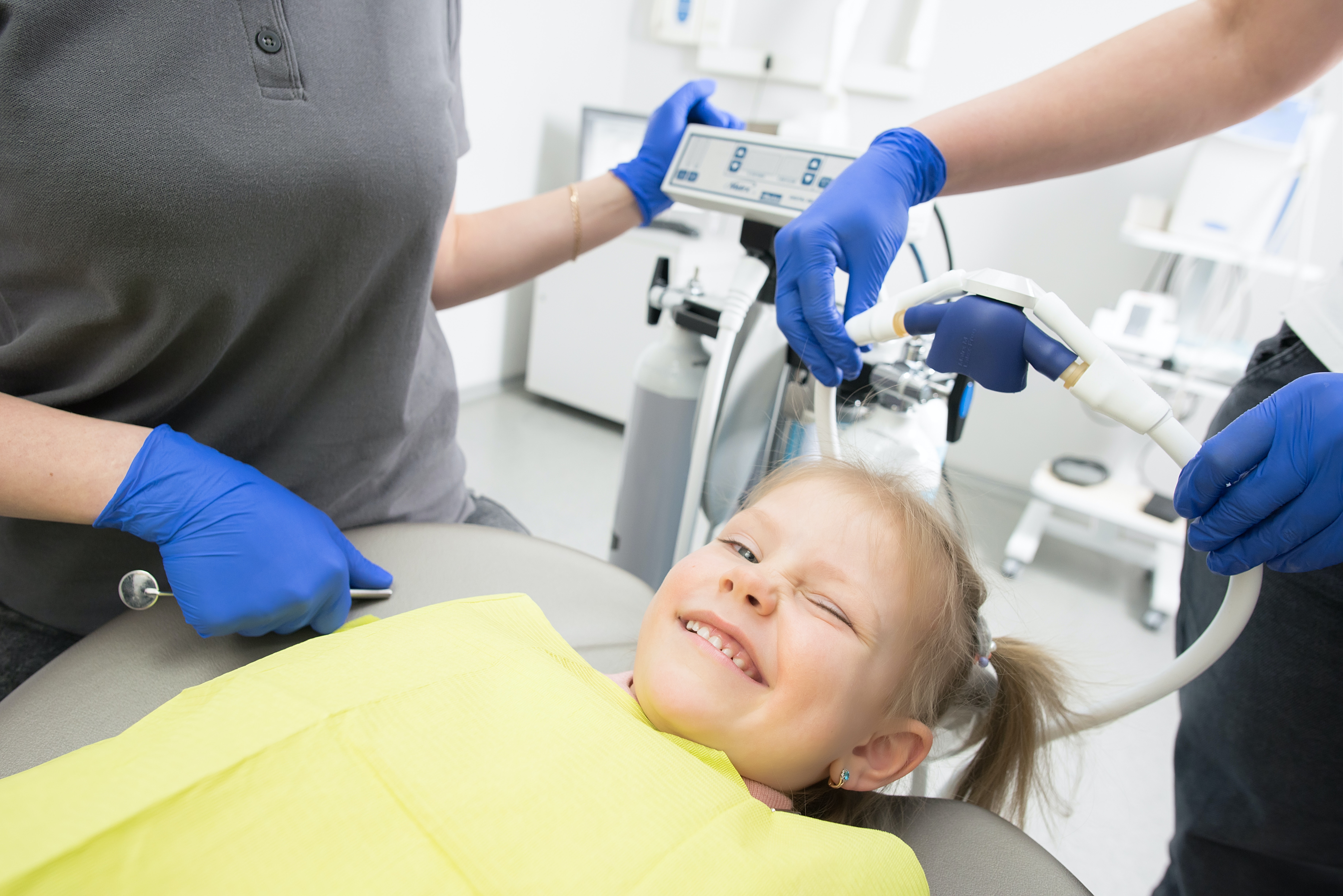
Dental anxiety in children is, unfortunately, extremely common. Between the bright lights, doctors poking at their mouths with metal instruments, and the ever-looming threat of cavities and the resulting drilling that comes with cleaning them, it’s understandable that most children would shy away from a trip to the dentist. Regardless of this anxiety, however, your child must visit a dentist regularly, especially after they’ve developed their permanent teeth. Pediatric dental anesthesia can help.
What is Pediatric Dental Anesthesia?
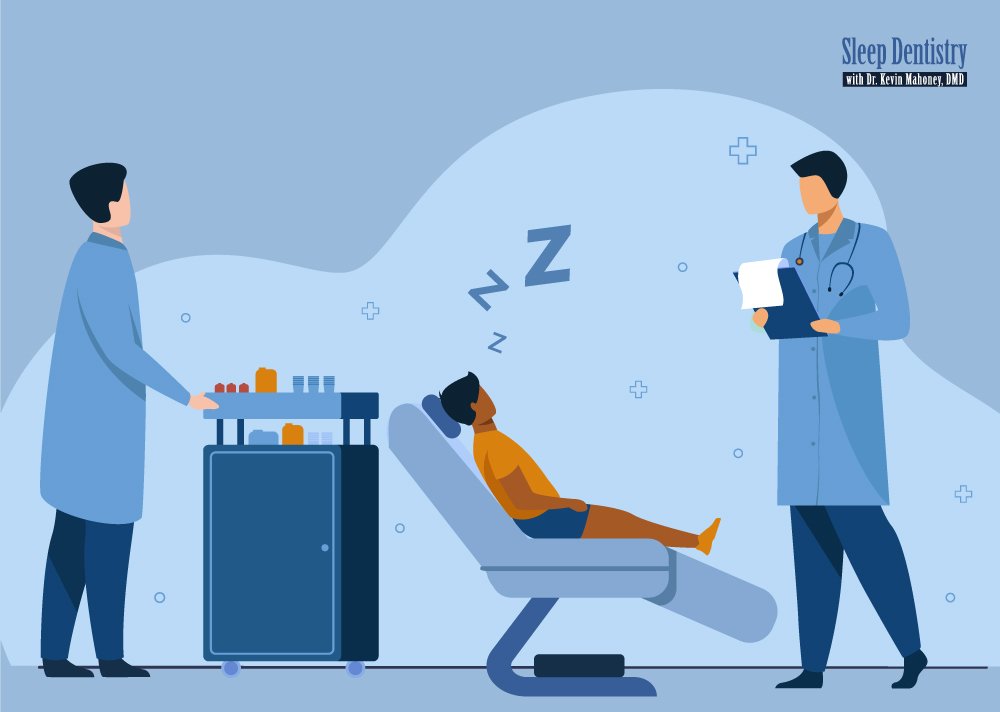
Pediatric dental anesthesia is dental anesthesia meant to alleviate dental fear and anxiety in pediatric patients. It’s used effectively in sleep dentistry for kids—a process in which a patient is put to sleep for their procedure by a licensed dental anesthesiologist. Unlike typical dental sedation, which comes in varying strengths but will usually leave the patient responsive, this procedure uses general dental anesthesia, which renders the patient completely unconscious.
Dental anesthesia has many benefits for both children and their dentist. Children under anesthesia can sleep through their appointment pain-free, with no memory of the procedure afterward. Knowing they won’t experience any pain can help reduce anxiety before the procedure. Meanwhile, the dentist will be able to perform the procedure without resistance. Not only does this greatly reduce the risk of injury for both parties during the procedure, it allows the dentist to operate faster and with less stress.
Safety Measures and Precautions
As with any use of anesthesia, pediatric dental anesthesia does pose a small risk. Before scheduling the procedure, your child will undergo an evaluation that determines whether or not it’s safe for them to be under anesthesia. This evaluation takes into account medical history, any medicine they’re currently taking, allergies, and if anyone in their family has a history of poor responses to anesthetics.
After midnight the night before the procedure, you need to ensure your child does not consume any solid foods or non-clear liquids. They may only consume clear liquids such as water and juice up to two hours before the procedure. They can continue to take daily medications unless instructed otherwise, however.
During the procedure, the anesthesiologist will continuously monitor your child’s vital signs and adjust the amount of anesthesia they receive to ensure their safety. Becoming a licensed dental anesthesiologist like Dr. Kevin Mahoney takes time and dedication, so you can rest easy knowing your child is in capable hands.
Applying Dental Anesthesia for Kids
Once the children arrive for their procedure, the anesthesiologist will review their medical information and choose the exact anesthetic they’ll receive. Your child will then be given nitrous oxide through a mask placed over their nose and mouth. This is to help them relax and eventually fall asleep.
Once the child is asleep, the anesthesiologist will set up an IV line with the anesthetic. This will keep them asleep while the dentist works. The anesthesiologist will monitor your child’s vitals during the procedure and adjust the amount of anesthesia as necessary.
Ensuring a Positive Experience
Even though dental anesthesia allows them to sleep through dental procedures, they can still be taxing on a child’s nerves. To ensure a positive experience with as little stress as possible, your dentist will work to create a comforting environment for your children. We’ll answer any questions they have and calmly explain the procedure so they know what to expect. You can reassure them in the operating room by speaking to them or holding their hand. If possible, allow them to bring a small comfort object with them—or if they don’t have one, let them say hello to our in-house dental therapy dogs, Gizmo and Gadget!
After the procedure, make sure to follow up with your child’s dentist about medicines they need to take, what foods they can eat, and how long it will take them to recover from the anesthetic. From there, work to instill (or continue to instill) good oral hygiene habits in your child.
Sleep Dentistry: Pediatric Dental Care You Can Trust
When performed by a professional, pediatric dental anesthesia is a valuable tool for easing dental anxieties in children. If your child (or anyone else in your family) suffers from dental anxieties or phobias, schedule an appointment with Sleep Dentistry. As the only licensed dental anesthesiologist in Erie, Dr. Mahoney will ensure that your child sleeps through their procedure completely pain-free. Contact Sleep Dentistry today and stop losing sleep over your child’s dental anxiety.