
Family Dentistry in Erie, PA


Families are the heart of our lives. They teach us right from wrong, love from hate, and create a sense of belonging that makes everything better. As we grow up, they're always there to support us no matter what life throws at us. And when it comes to dental care for family members? We have you covered! 

Our family dentistry services are designed to accommodate all family members. From toddlers to adults, you have options here at our family dentistry office!

Dr. Kevin Mahoney and his staff are dedicated to providing you and your family with the best family dentistry experience care possible. Our goal is for you to feel comfortable, cared for, and satisfied every time you visit our office. You’re more than just a patient- you’re our neighbors, friends, and family.

From teeth cleanings, x-rays, and other routine care - we can take care of everything right here in one convenient location.

When it comes to family dentistry procedures, you'll be pleased with our compassionate staff and state-of-the-art technology (for both your comfort and safety). We want all family members to enjoy their family dentistry experiences here at Sleep Dentistry.

Family Dental Services

  1. Teeth Cleaning
  2. Dental X-Rays
  3. Tooth Removal
  4. Root Canals

The teeth you take care of today will be the only ones you’ll have tomorrow! We encourage preventative care and want our patients to know that it is always better to take care of your mouth now than to wait for a problem later.

We at Sleep Dentistry proudly serve residents in Erie, PA, and the surrounding areas!

Family Dentistry FAQs

Do cavity fillings hurt?

Since your gums are numbed with the commonly used anesthetic, Lidocaine before starting the procedure, you shouldn't feel any pain while getting your tooth filled. After the procedure is completed, the anesthetic will wear off over time, and you might feel a slight tingling in your mouth. Another common side effect is tooth sensitivity; this should fade after a few days. If necessary, your family dentist might suggest minor painkillers to ease the pain.

How often should I get my teeth cleaned?

The American Dental Association recommends everyone visit the dentist for teeth cleaning at least twice a year when teeth and gums are healthy. Depending on the condition of your teeth or gums, you might have to visit your family dentist more frequently. If you are seeing an orthodontist, you should have regular visits every 4 to 6 weeks to ensure everything is progressing correctly.

Does wisdom teeth removal hurt?

After having your wisdom teeth removed, it could take up to two weeks to fully recover. The worst side effect will most likely be a swollen mouth and cheek, but this will most likely subside within a couple of days. To help the pain and swelling, gently press a cold cloth against your face. If necessary, your family dentist might offer you painkillers, such as paracetamol or ibuprofen. After the procedure, be sure to avoid rinsing, spitting, hot drinks, or anything that would dislocate the blood clots in the empty tooth socket.

What is a root canal?

A root canal procedure is a treatment to replace the infected pulp in a root canal with endodontic treatment. Endodontic treatment is any procedure that happens within the tooth. The inside of your tooth holds a pulp that contains blood vessels, nerves, and connected tissue. If the pulp is infected, a root canal is needed.

How often should I get my teeth X-rayed?

The frequency of getting your teeth X-rayed depends on the condition of your teeth and your medical and dental history. Getting your teeth X-rayed allows your family dentist to find and treat dental problems in their early development. Dental X-rays allow the dentist to see areas of tooth decay, decay beneath fillings, bone loss, changes in the bone, and reveal an infection at the root of the tooth.

Where To Find Us 

📍 Address: 3915 Caughey Rd, Erie, PA 16506
 
📞 Phone:  (814) 833-3505
 

Recent Posts

Smile Makeovers: Revitalizing and Restoring Teeth

Posted on September 25th, 2019 at 9:28 AM
Smile Makeovers: Revitalizing and Restoring Teeth

Updated April 2026

A smile is often the first thing people notice about you - in photos, across a conference table, or on a first date. When chips, stains, gaps, or missing teeth make you hesitant to smile, it affects more than just your mouth.

Many of our patients tell us they've spent years covering their smile in photos or feeling self-conscious during conversations. That's why a smile makeover isn't just about aesthetics; it's about feeling like yourself again.
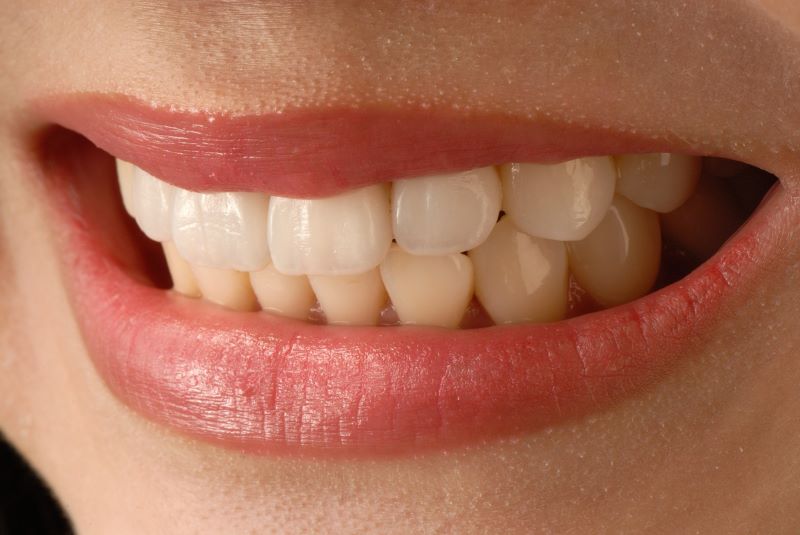
closeup of smile sleep dentistry erie tooth restoration smile makeovers

What can I do about a damaged or unsightly tooth?

Even patients with dedicated oral hygiene routines deal with the wear and tear of everyday life. Teeth chip on a stray popcorn kernel, stain gradually from wine, crack under years of grinding, or simply show the effects of aging and genetics. The good news is that modern tooth restoration techniques can get a damaged tooth working (and looking) as good as new!

There are two main categories of dental restorations. Direct restorations, usually dental fillings, are completed in a single sitting. The tooth is cleaned and prepped, and soft material is worked into the cavity, set into place, ground, and polished to ensure a smooth finish and perfect bite.

Indirect restorations are utilized when damage to a tooth is more extensive. A dentist will take impressions and send them off to a lab, where a dental technician will fabricate the restoration outside the office. During a subsequent visit, the dentist will cement the restoration into place. Examples include:

  • Inlays and onlays (similar to fillings, but formed outside the office)
  • Bridges (false teeth to fill gaps in your smile)
  • Crowns (a cap for a damaged or weakened tooth)
  • Veneers (a porcelain shell that fits over the tooth for either protective or cosmetic purposes)

How long does a smile makeover take?

The honest answer: it depends on the treatments involved. A whitening-focused makeover can be completed in a matter of weeks. A more involved plan with veneers, crowns, or implants typically spans two to six months, sometimes longer if orthodontics is part of the picture.

Here's a rough timeline of what to expect:

  • Consultation and planning: 1 visit to discuss goals, take X-rays and impressions, and map out your treatment
  • Preparatory work: Any needed cleanings, fillings, or extractions before cosmetic work begins
  • Core treatments: Whitening, veneer placement, crown fittings, or implant procedures - scheduled based on healing time and lab turnaround
  • Final adjustments: Fine-tuning the bite, polishing, and making sure everything looks and feels right

We'll give you a realistic timeline at your consultation so there are no surprises along the way.

Am I a candidate for a smile makeover?

If you've ever found yourself doing any of the following, a smile makeover might be worth exploring:

  • Closing your lips in photos or smiling without showing your teeth
  • Covering your mouth when you laugh
  • Avoiding foods that stain because you're worried about discoloration
  • Feeling self-conscious about chips, gaps, crooked teeth, or worn-down edges
  • Dealing with older dental work (metal fillings, aging crowns) that no longer look natural
  • Putting off a big event (i.e., a wedding, reunion, or career change) because of your smile

Most healthy adults are candidates for at least some form of cosmetic treatment. The only real prerequisite is a foundation of healthy teeth and gums, which Dr. Mahoney can assess during your first visit. If there's decay or gum disease to address first, we'll handle that before any cosmetic work begins.

Achieve your best smile with Dr. Kevin Mahoney

If you want your smile to look better, the team at Sleep Dentistry Erie has the tools to get you there! Every smile makeover starts with a one-on-one consultation where Dr. Mahoney listens to your goals, examines your teeth and gums, and walks you through the options that make sense for your unique situation. From there, we build a custom treatment plan at a pace that works for you - and if dental anxiety has held you back in the past, you can skip the discomfort entirely thanks to safe, effective general anesthesia.

Get Started