
Family Dentistry in Erie, PA


Families are the heart of our lives. They teach us right from wrong, love from hate, and create a sense of belonging that makes everything better. As we grow up, they're always there to support us no matter what life throws at us. And when it comes to dental care for family members? We have you covered! 

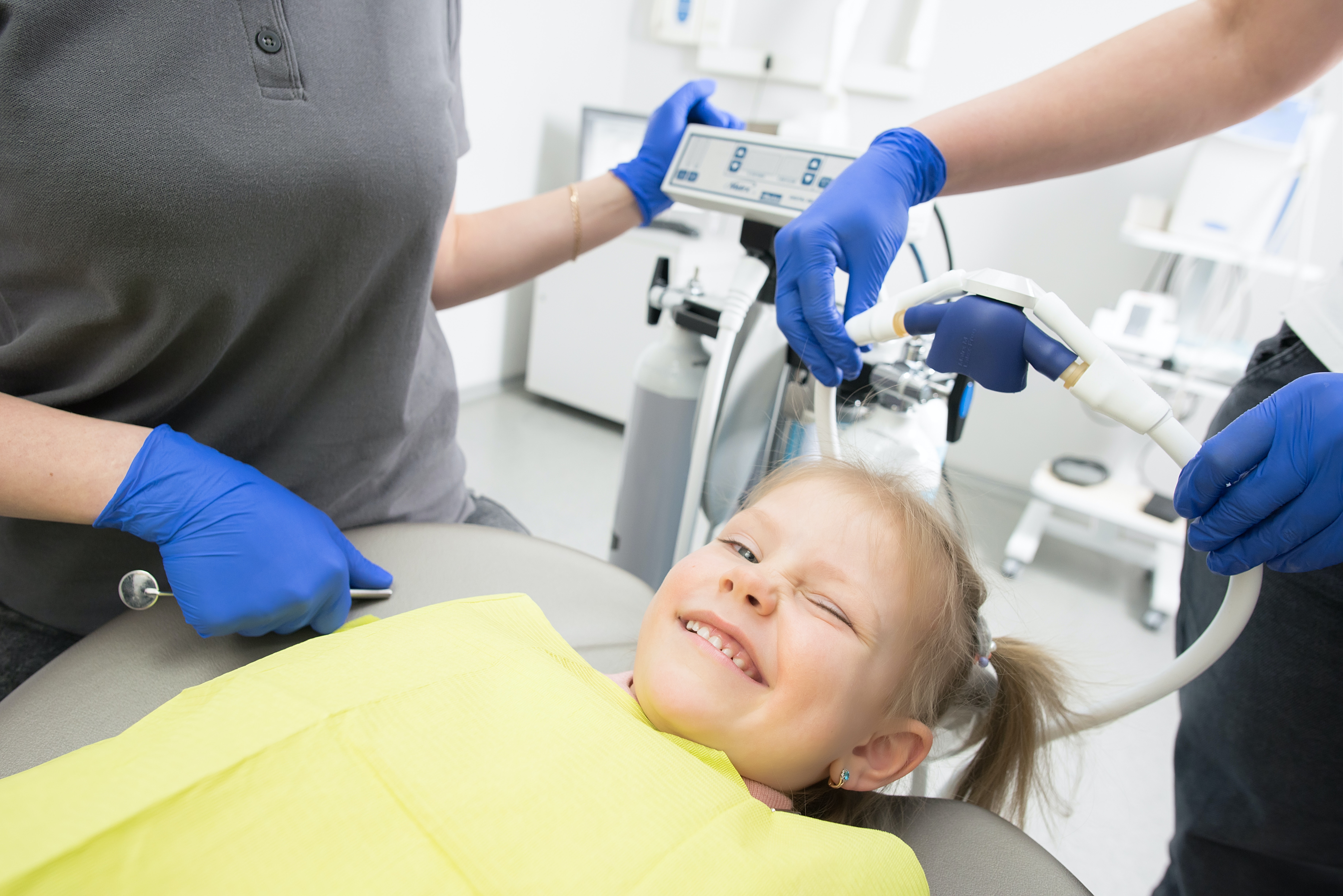
Our family dentistry services are designed to accommodate all family members. From toddlers to adults, you have options here at our family dentistry office!

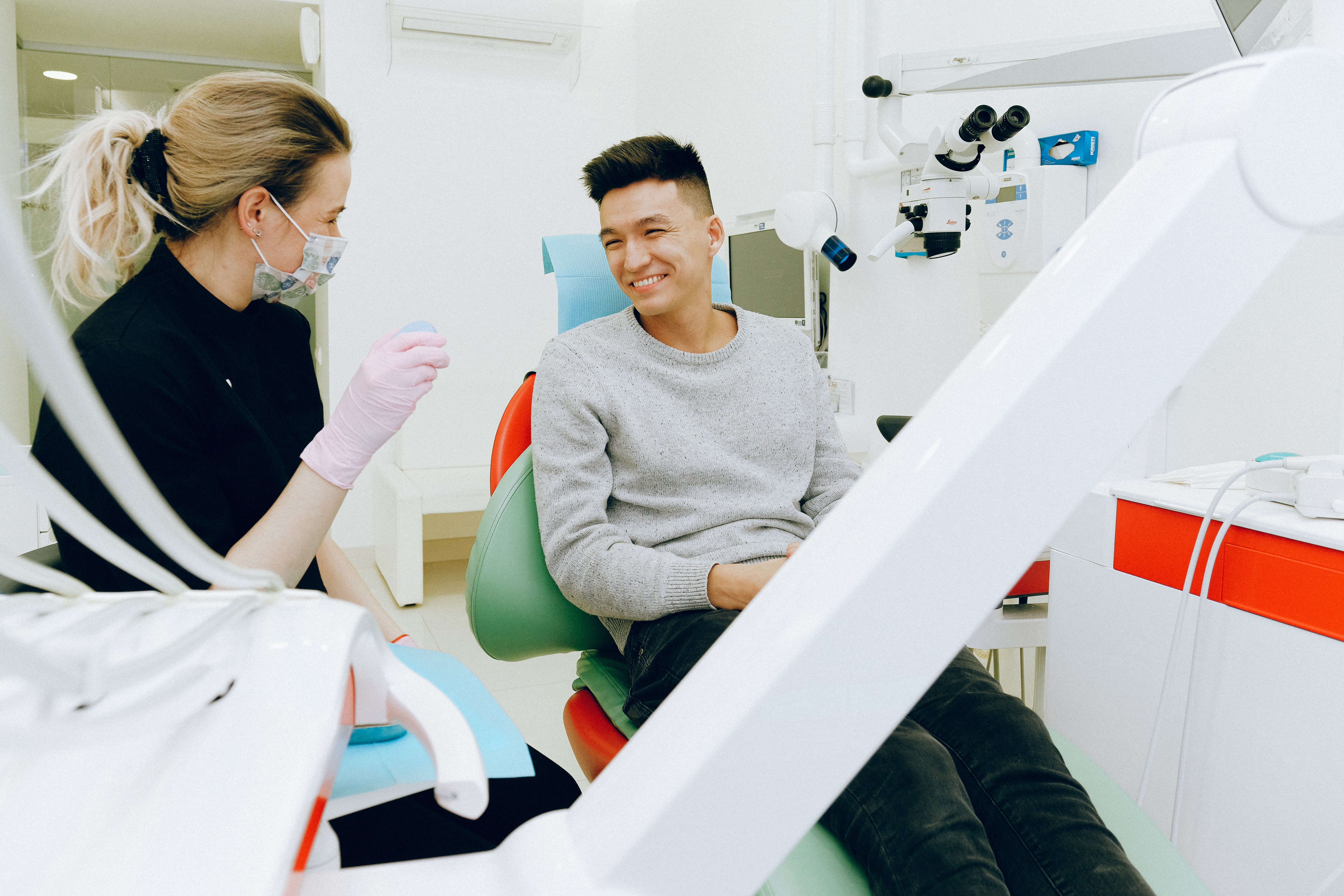
Dr. Kevin Mahoney and his staff are dedicated to providing you and your family with the best family dentistry experience care possible. Our goal is for you to feel comfortable, cared for, and satisfied every time you visit our office. You’re more than just a patient- you’re our neighbors, friends, and family.

From teeth cleanings, x-rays, and other routine care - we can take care of everything right here in one convenient location.

When it comes to family dentistry procedures, you'll be pleased with our compassionate staff and state-of-the-art technology (for both your comfort and safety). We want all family members to enjoy their family dentistry experiences here at Sleep Dentistry.

Family Dental Services

  1. Teeth Cleaning
  2. Dental X-Rays
  3. Tooth Removal
  4. Root Canals

The teeth you take care of today will be the only ones you’ll have tomorrow! We encourage preventative care and want our patients to know that it is always better to take care of your mouth now than to wait for a problem later.

We at Sleep Dentistry proudly serve residents in Erie, PA, and the surrounding areas!

Family Dentistry FAQs

Do cavity fillings hurt?

Since your gums are numbed with the commonly used anesthetic, Lidocaine before starting the procedure, you shouldn't feel any pain while getting your tooth filled. After the procedure is completed, the anesthetic will wear off over time, and you might feel a slight tingling in your mouth. Another common side effect is tooth sensitivity; this should fade after a few days. If necessary, your family dentist might suggest minor painkillers to ease the pain.

How often should I get my teeth cleaned?

The American Dental Association recommends everyone visit the dentist for teeth cleaning at least twice a year when teeth and gums are healthy. Depending on the condition of your teeth or gums, you might have to visit your family dentist more frequently. If you are seeing an orthodontist, you should have regular visits every 4 to 6 weeks to ensure everything is progressing correctly.

Does wisdom teeth removal hurt?

After having your wisdom teeth removed, it could take up to two weeks to fully recover. The worst side effect will most likely be a swollen mouth and cheek, but this will most likely subside within a couple of days. To help the pain and swelling, gently press a cold cloth against your face. If necessary, your family dentist might offer you painkillers, such as paracetamol or ibuprofen. After the procedure, be sure to avoid rinsing, spitting, hot drinks, or anything that would dislocate the blood clots in the empty tooth socket.

What is a root canal?

A root canal procedure is a treatment to replace the infected pulp in a root canal with endodontic treatment. Endodontic treatment is any procedure that happens within the tooth. The inside of your tooth holds a pulp that contains blood vessels, nerves, and connected tissue. If the pulp is infected, a root canal is needed.

How often should I get my teeth X-rayed?

The frequency of getting your teeth X-rayed depends on the condition of your teeth and your medical and dental history. Getting your teeth X-rayed allows your family dentist to find and treat dental problems in their early development. Dental X-rays allow the dentist to see areas of tooth decay, decay beneath fillings, bone loss, changes in the bone, and reveal an infection at the root of the tooth.

Where To Find Us 

📍 Address: 3915 Caughey Rd, Erie, PA 16506
 
📞 Phone:  (814) 833-3505
 

Recent Posts

What Happens During Dental General Anesthesia?

Posted on July 24th, 2023 at 10:00 AM
What Happens During Dental General Anesthesia?

“Can I be put to sleep for dental work?” If you suffer from a dental anxiety or phobia, you’ve probably wondered this more than once. The thought of being awake while your dentist pokes around your mouth with metal picks is enough to unnerve anyone, so it’s only natural to want to be unconscious for it. 

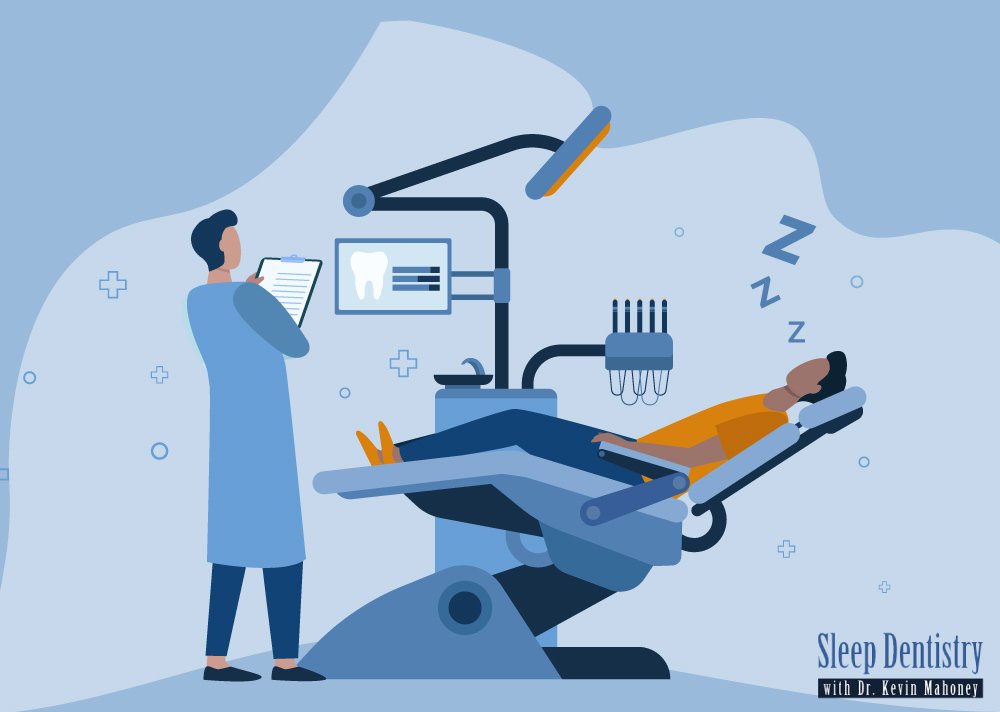
That’s where sleep dentistry comes in. During sleep dentistry, patients are placed under general anesthesia while their dentist performs the necessary procedure. Not only does this allow the patient to sleep through the process pain-free, it allows the dentist to perform multiple procedures in one session, saving time. 

For those with dental anxieties or phobias, sleep dentistry is a perfect solution. But now that you know you can be put to sleep, your next question may be this: “What actually happens during dental general anesthesia?”

How is Dental General Anesthesia Applied?

Dental general anesthesia is applied through one of two methods: in liquid form through an IV drip, or in gaseous form through a face mask. It can’t be administered by a standard dentist; it must be administered by a licensed dental anesthesiologist. After you lose consciousness, the anesthesiologist will monitor your breathing and other vital signs during the procedure and administer additional anesthesia as needed. This is to make sure the patient stays under. 

The amount of time patients remain unconscious varies depending on the amount of work they require. The average timeframe is between 1-6 hours. 

What Equipment is Used During Sleep Dentistry?

The exact equipment used during general anesthesia dentistry will vary depending on the practice and the method of sedation used. A liquid form will involve an IV line, while a gaseous form will use a face mask, a gas canister, and a machine to pump the anesthetic. There’s also life-support equipment used to monitor the patient’s vitals during the procedure, such as breathing tubes and heart rate monitors. Lastly, there’s any equipment the dentist uses for the dental work itself: suction tubes, hoses, air compressors, cleaning tools, and whatever else is necessary for the procedure they’re performing. 

Is General Anesthesia Safe for Dental Work? 

Like many medical practices, dental general anesthesia is safe as long as it's performed correctly. Certain factors, such as high blood pressure, obesity, or other conditions, may put you at a higher risk of anesthesia-related complications. In rare cases, a patient may experience an allergic reaction to the anesthetic. Your anesthesiologist will conduct a health assessment before your surgery to learn about pre-existing health conditions, medications, and health habits. They will also monitor you during the procedure to make sure you aren’t experiencing complications. 

Experience Sleep Dentistry with Dr. Kevin Mahoney

If you’re experiencing a dental anxiety or phobia and want to schedule a sleep dentistry appointment, schedule with Dr. Kevin Mahoney at sleep dentistry. As the only board-certified dental anesthesiologist in Erie, he’ll make sure that you enjoy a painless, fear-free procedure. Contact Sleep Dentistry and schedule your appointment today. 

SCHEDULE AN APPOINTMENT