



At our Erie, PA dental office, we understand that dental anxiety can often stand in the way of receiving essential treatment; this is why we offer specialized sleep dentistry to help ease your worries.
Today, we want to shed light on a common yet often overlooked issue that can affect your oral health: acid reflux, or gastroesophageal reflux disease (GERD). This condition not only contributes to bad breath and tooth sensitivity but also has a lasting impact on your dental well-being.
The good news? With the right knowledge and oral health practices, you can protect your teeth while maintaining a healthy mouth. Here’s how to protect teeth from acid reflux and safeguard your smile!
What Causes GERD?
GERD is a chronic digestive disorder that occurs when stomach acid frequently flows back into the esophagus — the tube connecting your mouth and stomach. This can irritate the lining of your esophagus and lead to various symptoms and complications.
The primary cause of GERD is a weakened lower esophageal sphincter (LES). The LES is a ring of muscle at the bottom of the esophagus that acts as a valve, opening to allow food into the stomach and closing to prevent stomach contents from flowing back up.
When the LES is weak or relaxes inappropriately, stomach acid escapes into the esophagus, causing the symptoms of GERD.
Several factors can contribute to the weakening of the LES, including:
- Obesity: Excess weight can increase abdominal pressure, pushing stomach contents into the esophagus.
- Dietary Habits: Consuming large meals, lying down after eating, or eating trigger foods like spicy or fatty foods can exacerbate GERD.
- Lifestyle Factors: Smoking and alcohol consumption relax the LES and increase acid production.
- Pregnancy: Hormonal changes and increased abdominal pressure during pregnancy can lead to GERD.
- Hiatal Hernia: A condition where part of the stomach pushes up through the diaphragm, affecting the LES's function.
Common Symptoms of GERD
One of the most prevalent symptoms is heartburn, which is characterized by a burning sensation in the chest. This sensation often occurs after eating and can be particularly bothersome at night or when lying down, disrupting sleep and daily comfort.
Another common symptom is regurgitation, where a sour or bitter-tasting acid backs up into the throat or mouth. This can be accompanied by chest pain (which may sometimes be mistaken for heart-related issues), adding to the discomfort experienced by those with GERD. It's important to differentiate this pain from cardiac conditions, as GERD-related chest pain is typically associated with digestive processes only.
Difficulty swallowing, known as dysphagia, is another symptom that GERD sufferers may experience. It manifests as a sensation of food being stuck in the throat or chest, which can be both uncomfortable as well as concerning for the patient.
Additionally, GERD might contribute to a chronic cough or sore throat, resulting from persistent irritation caused by acid reaching the throat. Note that irritation can also affect the vocal cords, leading to hoarseness or noticeable changes in voice.
If you experience any of these symptoms regularly, it is advisable to seek professional advice to address the condition effectively.
Acid Reflux’s Impact on Oral Health
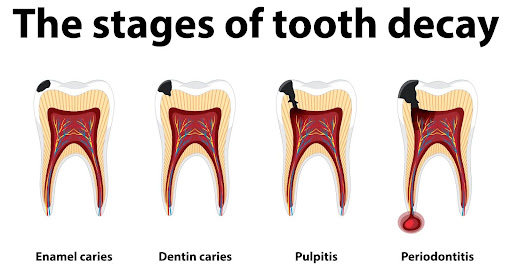
Before we explore how to protect teeth from acid reflux, we need to discuss the ways this condition affects your mouth. As we’ve discussed, acid reflux is a condition where stomach acids flow back into the esophagus. This backflow can have several detrimental effects on your oral health.
Acid Reflux and Dental Erosion
Stomach acids are highly corrosive and can wear away the protective enamel layer on your teeth, leaving many patients asking how to stop enamel erosion.
The resulting erosion not only leads to increased tooth sensitivity but also heightens the risk of developing cavities. Without the enamel's protective barrier, your teeth become more vulnerable to decay and damage.
Bad Breath
Another common issue associated with acid reflux is bad breath (aka halitosis).
The presence of stomach acid in the mouth often creates an unpleasant odor, contributing to persistent bad breath. This can be embarrassing for many people; it may affect your confidence in both personal and professional interactions.
Gum Irritation
The corrosive nature of stomach acids can also irritate the gums or other soft tissues in the mouth. Such irritation leads to inflammation, discomfort, and even gum disease if left unchecked.
Maintaining healthy gums is crucial for overall oral health, and acid reflux can make this aspect of care much more difficult.
How to Protect Teeth from Acid Reflux: Care Strategies and Tips
Now to answer the big question: how to protect teeth from acid reflux? Here are some effective strategies!
Maintain Good Oral Hygiene
- Brush Twice Daily: If you find yourself asking how to prevent enamel erosion and other symptoms of GERD, we have a tried-and-true solution: fluoride. Use fluoride toothpaste to brush your teeth at least twice a day. This helps strengthen your enamel and protect against acid erosion.
- Choose the Right Toothbrush: Opt for a soft-bristled toothbrush to minimize further wear on your enamel.
- Floss Daily: Flossing helps remove plaque or food particles that contribute to tooth decay and gum disease.
Neutralize Acid in the Mouth
- Rinse After Reflux: Wondering how to neutralize acid in your mouth? After experiencing an acid reflux episode, rinse your mouth with water or a baking soda solution (1 teaspoon of baking soda in a cup of water) to help neutralize the acids.
- Chew Sugar-Free Gum: Chewing sugar-free gum stimulates saliva production, which naturally neutralizes and washes away acids in the mouth.
Dietary Adjustments
- Avoid Triggers: Steer clear of foods and drinks that trigger acid reflux, such as spicy foods, citrus fruits, or carbonated beverages.
- Smaller Meals: Eat smaller, more frequent meals to avoid overloading your stomach.
- Timing Matters: Avoid eating late at night or lying down immediately after meals to reduce the risk of reflux.
Lifestyle Modifications
- Elevate Your Bed: Raise the head of your bed to prevent nighttime reflux.
- Maintain a Healthy Weight: Excess weight can increase abdominal pressure and exacerbate reflux, so aim for healthy weight management.
- Avoid Smoking and Limit Alcohol: Both smoking and alcohol can worsen reflux symptoms, so it's best to avoid them.
Regular Dental Visits
- Routine Check-Ups: When considering how to protect teeth from acid reflux, remember to schedule regular dental check-ups and cleanings to monitor your oral health (and catch any issues early).
- Discuss GERD Symptoms: Openly talk to your dentist about any GERD symptoms you experience for personalized advice and treatment options.
Consult with Your Physician
- Seek Medical Advice: If you suspect you have GERD, consult with your healthcare provider for a proper diagnosis and treatment plan.
- Consider Medications: Your doctor may prescribe medications to manage acid reflux, which can also help protect your oral health.
Take Action for Your Oral Health with Sleep Dentistry!
Acid reflux poses a threat to your oral health, but with proactive measures, you can protect your teeth and mouth. By maintaining good oral hygiene and seeking regular dental care, you can minimize the effects of GERD on your smile.
If you have any concerns or need further guidance on how to protect teeth from acid reflux, don't hesitate to reach out to our office in Erie, PA. We're here to help you achieve optimal oral health in a comfortable, anxiety-free environment. Contact us today to schedule an appointment!