

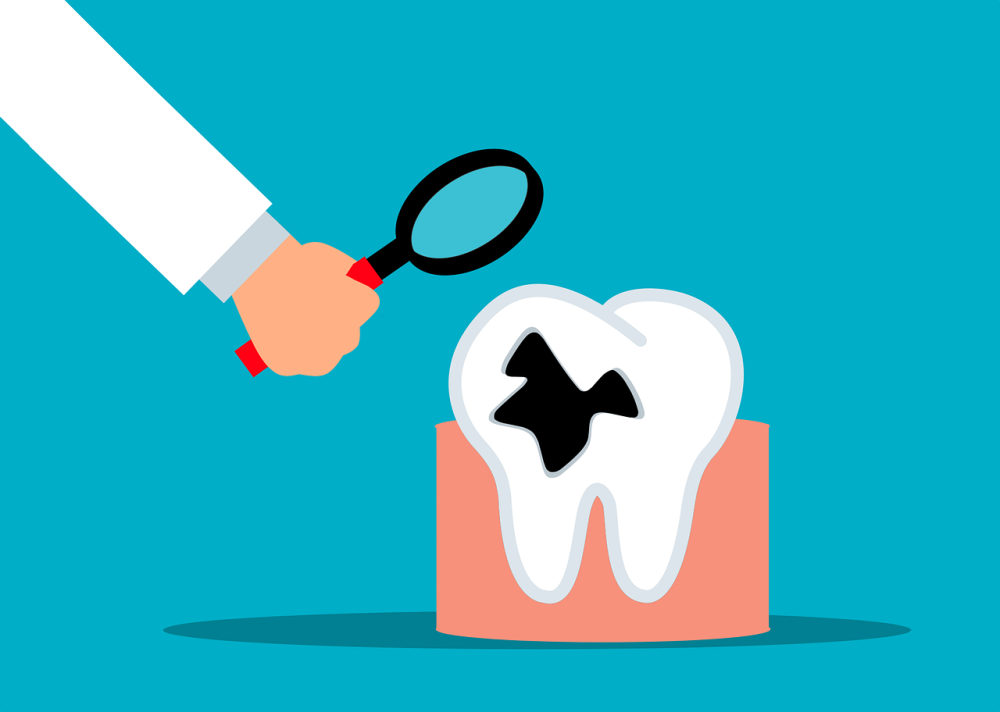
Teeth Cleaning For Adults and Children in Erie, PA

While the foundation of dental hygiene is your at-home dental care routine, it's just as important to visit the dentist regularly to make sure your teeth are healthy and your smile is bright. Regular teeth cleaning performed by a professional dental hygienist prevents gum disease and tooth decay - which could ultimately lead to the removal of the tooth.

smiling couple

Why Have Professional Teeth Cleaning?

There are several good reasons why you should schedule teeth cleaning every six months, even if you maintain a meticulous dental hygiene regimen at home. 

  1. Dentists and dental hygienists have the tools and expertise to monitor for issues you might not necessarily be able to see or feel.

  2. Professional teeth cleaning instruments are the only thing powerful enough to remove hardened dental plaque, aka calculus or tartar. 

  3. Professional teeth cleaning can make your smile appear whiter and brighter, helping to remove stains, plaque, and tartar. 

  4. It can save you time, money, and suffering down the road — teeth cleanings prevent small problems from becoming major issues, sparing you time in the dentist’s chair undergoing costly procedures.

Teeth Cleaning Procedures

It’s important to set kids up for optimal oral health throughout their growth and development, which is a primary focus of pediatric dentistry and aided by regular teeth cleanings. As we get older as adults, we must treat our teeth with extra special attention and care so that we can enjoy life to the fullest. 

A typical teeth cleaning takes 30-60 minutes and consists of: 

  • Oral health exam (may include x-rays)
  • Removal of tartar and plaque buildup
  • Teeth polishing

Dental anesthesia is also available to patients who have a fear of dentists or simply need extra relaxation during procedures. At Sleep Dentistry Erie, we are committed to helping our patients — with or without insurance — achieve their healthiest smiles.

Schedule Appointment

Frequently Asked Questions

How frequently should I have my teeth cleaned?

You should have your teeth cleaned at least once a year for healthy adults, although a routine dental cleaning and examination every six months is preferable. If you have a chronic medical condition (such as diabetes), take medication (especially those that contribute to xerostomia, or dry mouth), wear braces, are prone to poor dietary (sugary or high-carb snacks between meals) or lifestyle habits (smoking), or simply have a mouth that is smaller and more difficult to clean, it is recommended you get checked up on more regularly.

Should I still get my teeth professionally cleaned even if I regularly brush and floss at home?

Yes, you should still get your teeth professionally cleaned. Even with regular brushing and flossing — and good technique with both — the vast majority of people fail to clear away all the plaque that builds up on and between teeth. Once that hardens into dental calculus or tartar, no amount of brushing or flossing can remove it. Only the specialized tools and equipment of a dental hygienist can loosen, rinse, and suction it away.

Why are my teeth so sensitive after a teeth cleaning?

One reason your teeth are so sensitive after a teeth cleaning is dental cleaning tools making contact with gum surfaces, especially puffy or swollen gums, leading to sensitivity or bleeding. Once teeth have been properly scaled of calculus/tartar, tooth structure that may have not been exposed in “many moons” will be experiencing sensation directly for the first time in a while, it will need time to adjust. Exposed tooth roots near the gumline are especially susceptible to sensitivity. 

How soon can I eat and drink again after having my teeth cleaned?

You can eat and drink immediately after having your teeth cleaned, unless you’ve received a fluoride treatment, which needs at least half an hour to settle and seal around your teeth to maximize its enamel-fortifying benefits. Nonetheless, take care with what you eat or drink after a professional dental cleaning, as your teeth will likely be sensitive to hot, cold, spicy, crunchy, or acidic foods. If you’re thirsty, drink water. If you’re hungry, opt for soft foods served near room temperature.

Will routine dental cleanings whiten my teeth?

Whiter teeth are an ancillary benefit of a routine dental cleaning, but not its goal — for that you may want to invest in our Lifetime Whitening Program.  Nonetheless, after we’re done buffering away tartar (which may take on a yellowish or greenish tinge) and polishing your teeth, they may very well look whiter and brighter than when you walked in!

Where To Find Us 

📍 Address: 3915 Caughey Rd, Erie, PA 16506
 
📞 Phone:  (814) 833-3505
 

Recent Posts

Stages of Tooth Decay and Treatments

Posted on March 27th, 2023 at 4:03 PM
Stages of Tooth Decay and Treatments

There are a LOT of bacteria inside the human mouth, and while some types are helpful, others are quite damaging — like those that contribute to the five stages of tooth decay. When you eat foods high in sugar or starch, these harmful bacteria fuse with them to create plaque, a sticky film over teeth. This process will produce acidic compounds that slowly eat away at the protective minerals on your enamel. Plaque may also irritate the gums, which in turn could develop into gum disease

Common symptoms of the stages of tooth decay include but are not limited to: 

  • Toothache
  • Sensitivity of the teeth to stimuli that are hot, cold, or sweet
  • Stains on the surface of teeth, especially white or brown in color 
  • Cavities 
  • Tooth infection, with a potential for abscess forming (pus pockets) 

The big issue is that the progression of tooth decay can be stealthy. The enamel wears down over time, and symptoms may not be easily detected until the decay has reached a critical point. That is why it is essential to be proactive in preventing and limiting tooth decay.

Early stages of tooth decay

Stage 1: Demineralization

What it looks like: At this beginning stage of tooth decay, you might begin to see white spots appear on the surface of your teeth. These spots indicate the areas where plaque has begun its attack on your enamel. 

What’s happening: The enamel starts to become weaker due to plaque. The acids put out by this plaque demineralizes the enamel’s strong barrier. 

Treatment: Fluoride is key at this stage of tooth decay. Reverse demineralization by using dental products containing fluoride (i.e., toothpaste and mouthwash) or receiving a fluoride treatment from your dentist. 

Stage 2: Enamel decay

What it looks like: Any white spots present on your teeth will start to turn brown in color. 

What’s happening: The enamel has begun to degrade, leaving room for cavities to form.  

Treatment: If you develop cavities, you’ll need to seek out your dentist’s help in getting tooth fillings. The fillings stop the cavities from growing so large that the damage is irreversible. Decayed sections of the affected tooth are taken out and replaced with a filling — most today are formed from tooth-colored composite resin or ceramic materials, although gold and silver alloys are still employed on occasion. 

Stage 3: Dentin decay

What it looks like: By this stage of tooth decay your teeth will become hypersensitive to hot or cold foods—especially those that contain high amounts of sugar. 

What’s happening: Dentin is the layer of the tooth underneath the enamel, and it’s much softer. That means it is far more sensitive to acid damage. The rate of decay tends to accelerate at this stage.

Treatment: When dentin decay is caught in its early form, it can be healed with a filling. However, if there is considerable damage already done, your dentist will have to pull out the decayed pieces. In some cases, a dental crown is necessary to support the remaining sections of the tooth. 


Advanced stages of tooth decay

Stage 4: Pulp damage

What it looks like: If the pulp (the deepest layer of your teeth) dies, your tooth will change in color from its natural white to gray to black. You might also notice the tooth giving off an unpleasant odor and taste. 

What’s happening: Affected teeth begin to swell up. Pressure is created because your damaged tooth can no longer expand with the pulp, leading to pain. 

Treatment: Tooth decay this advanced requires a root canal treatment from your dentist. The damaged pulp is carefully removed, followed by a filling of the cavity and a restorative crown being placed. 

Stage 5: Dental abscess

What it looks like: This is the very final segment in the stages of tooth decay. You may feel intense pain, which often spreads to other parts of your mouth, gums, jaw—and even the rest of your face. 

What’s happening: Bacteria invades the damaged pulp layer, which often results in infection. An abscess, or pus pocket, could develop along the bottom section of the tooth, as well. 

Treatment: In some cases, a root canal treatment might heal the damage. If not, you will probably have to get the tooth completely removed to ensure the infection doesn’t spread to other parts of your head. Because infections of this type are bacterial, your dentist may prescribe you antibiotics to aid in your recovery. 

Prevent tooth decay with Dr. Mahoney

Don’t let tooth decay get in your way. Contact Dr. Mahoney to find the perfect treatment today!

CONTACT