


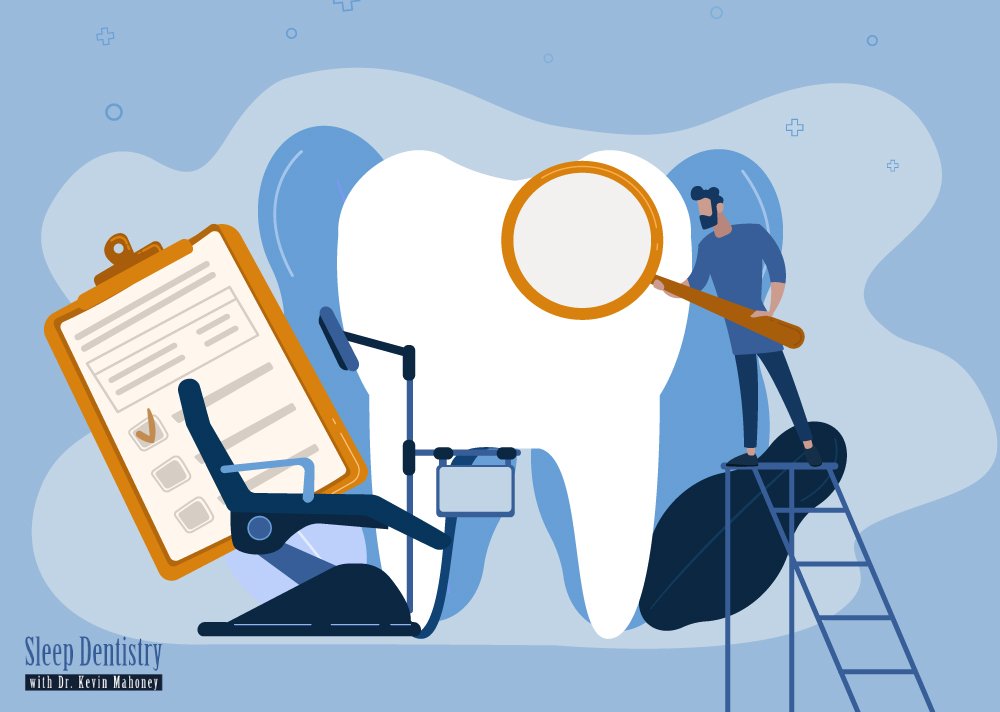
Treatment planning in dentistry is much more than scheduling an appointment; it begins with addressing the patient's chief complaint. Whether you’re suffering from a broken tooth, misalignment, infected pulp, or other dental issues, every procedure requires a detailed plan, both for the sake of the patient and the dentist. A methodical approach creates a clear goal with achievable steps. So what should you expect next time you need more than a routine cleaning?
Comprehensive Patient Care: The Basis of Dental Treatment Planning
Comprehensive patient care is a cornerstone of effective treatment planning. It begins with a thorough assessment of the patient’s overall health, including their medical history, current oral health status, and any specific concerns they may have. A holistic approach ensures that the treatment plan is tailored to the individual needs of each patient, addressing not only their immediate dental issues but also their long-term oral health goals.
Patient education and communication are also essential components of comprehensive patient care. Dentists should take the time to explain the treatment plan in detail, including the diagnosis, treatment options, and expected outcomes. This helps patients understand their treatment and makes them more likely to comply with the recommended treatment. Effective communication also involves listening to the patient’s concerns and addressing any questions or fears they may have. This helps build trust and ensures that the patient feels comfortable and informed throughout the treatment process.
Customized treatment options are a key aspect of comprehensive patient care, as well. Dentists should work with patients to develop a treatment plan that addresses their unique needs and goals. This may involve a combination of different treatments, such as restorative dentistry, orthodontic treatment, and oral surgery. By offering customized treatment options, dentists can help patients achieve optimal oral health and improve their overall quality of life.
In certain cases, specialized treatments may be required. They involve advanced procedures and techniques that require specialized training and expertise. These treatments are often necessary for addressing complex dental issues that cannot be resolved with standard procedures. Examples include advanced periodontal treatments, complex oral surgeries, and specialized orthodontic procedures. This approach ensures that even the most challenging dental issues are managed effectively, leading to better outcomes and improved patient satisfaction.
Treatment Planning in Dentistry
Before starting with the patient’s treatment, a dentist will prepare a dental treatment plan. This is a comprehensive document that contains all the information both the patient and dentist will need for the treatment plan. Once the dentist has gone over the document with the patient, both will sign it to show they approve of the treatment plan.
Diagnosis
First, the document will outline the patient’s primary dental concerns and a detailed description of their diagnosis based on a thorough patient assessment. This section will include any supporting tests, such as X-rays, as well as any other existing dental issues.
Goals
This section covers the treatment goals. This can include both short and long-term health and aesthetic improvements.
Treatment Options
Here, the dentist will cover your treatment options. If possible, they’ll provide several to choose from, but there will always be a recommended treatment. The plan will go into detail about the recommended treatment’s phases and what each entails, as well as an estimated duration. There will also be a cost estimate for each procedure, insurance information, and payment options.
Here, the dentist will cover your treatment options. If possible, they’ll provide several to choose from, but there will always be a recommended treatment. The plan will go into detail about the recommended treatment’s phases and what each entails, as well as an estimated duration.
Each plan will also provide a clear breakdown of costs and insurance coverage to help patients understand their financial responsibilities.
Follow-Up
Finally, the dentist will provide information on follow-up visits and outline techniques for at-home care and healing. They’ll also list any prescribed medications, along with instructions on how much and how often to take them.
Phases of a Dental Treatment Plan
A typical dental treatment plan often involves several phases to address the patient's oral health needs comprehensively. The specific phases may vary depending on the individual's condition and the recommended treatment. Here are the common phases you might find in a dental treatment plan:
Assessment Phase
First, the dentist will examine your mouth, teeth, and gums to assess the overall damage. This includes a visual examination, an overview of your dental history, and X-rays to understand any underlying disease processes. The dentist will often use this time to perform a professional cleaning, as well.
Once the dentist has examined you and diagnosed any issues, they’ll begin planning your dental treatment. This is where they’ll create the dental treatment plan discussed earlier.
Urgent Phase
The urgent phase, sometimes called the acute phase, addresses immediate concerns. This includes fractured teeth, severe dental pain, or other serious issues. The dentist will tend to these before developing a treatment plan in order to minimize pain and stress in the patient. If they cannot be immediately addressed, they will be the first thing taken care of during the treatment plan. Alternatively, if there are no severe dental issues, the dentist will skip this phase.
Control Phase
The control phase is often the longest of the dental treatment planning phases. During this phase, the dentist works to control any current issues so that they don’t progress. This can include periodontal treatments, oral surgery to reshape supporting bones or extract teeth, implants, and endodontics (which involves the dental pulp inside your teeth).
Re-Evaluation Phase
During the re-evaluation phase, the dentist will assess your mouth again to make sure that the immediate issues are taken care of and to understand the patient's response to the treatment. If they are, the treatment can proceed to the next phase; if not, the dentist will need to perform further corrections and disease control.
Definitive Phase
After the re-evaluation, the dentist will proceed with any corrective or reparative care, also known as definitive care. This phase focuses on aesthetics and optimal dental function and can include crown lengthening and periodontal plastic surgery.
Maintenance Phase
The final phase centers around maintaining the patient’s dental health. The dentist will tell you how to best care for your teeth and any potential dental appliances, such as braces or retainers. They’ll also help you schedule follow-up appointments for adjustments, cleanings, and re-evaluation.
Plan a Brighter Smile with Sleep Dentistry
At Sleep Dentistry, we know that a dental treatment of any length can be daunting. With the expertise of Dr. Kevin Mahoney, the only licensed dental anesthesiologist in Erie, PA, we can ensure that you sleep through your procedures pain-free. Contact Sleep Dentistry and schedule your appointment today.