


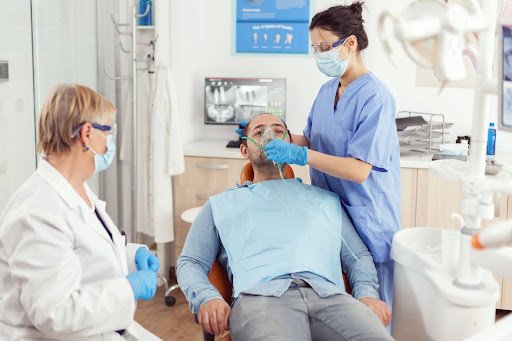
For many people, a trip to the local dentist can trigger feelings of anxiety or even fear. This dental anxiety can prevent patients from seeking the care they need, leading to more serious oral health issues down the line.
Fortunately, modern dentistry now offers us several anesthesia options designed to make dental procedures more comfortable and stress-free. Twilight anesthesia, in particular, has become a popular choice for many dental patients.
But what is twilight anesthesia, and how does it stack up against general anesthesia? Today, we’re taking a deep dive into the anesthesia options available and how sleep dentistry can help you receive the care you need — all without the worry.
What is Twilight Anesthesia?
So, what is twilight anesthesia, and what sets it apart from other sedation types?
Twilight anesthesia (also known as conscious sedation) is a type of sedation that helps patients relax during medical or dental procedures without putting them fully to sleep. Rather than being completely unconscious, twilight anesthesia keeps you in a comfortable, drowsy state while still allowing you to respond to verbal cues or gentle touch.
The most common medications used for twilight anesthesia are benzodiazepines, such as midazolam. These drugs are well-known for their calming effects, ability to reduce anxiety, and mild amnesic properties; this means you may not remember much about the procedure afterward. Sometimes, other sedatives or pain relievers may be combined for added comfort.
Twilight anesthesia is typically administered intravenously (through an IV), but in some cases, oral medications may be used. The dosage is carefully controlled and adjusted throughout the procedure so the patient remains relaxed the entire time.
One of the key benefits of twilight anesthesia is its safety, as side effects are generally mild and may include drowsiness, lightheadedness, or temporary memory loss of the procedure. Complications are also very rare when administered by trained professionals.
This form of sedation is commonly used for minor procedures such as dental work, teeth cleanings for anxious patients, minor surgeries, and some cosmetic treatments.
What is General Anesthesia?
General anesthesia is a medically induced state of complete unconsciousness, used to ensure that patients do not feel pain or have awareness during surgical procedures. Unlike local or regional anesthesia (which numbs only specific areas of the body), general anesthesia affects the entire body and brain, rendering the patient unresponsive.
Several medications can be used to achieve general anesthesia. Some of the most commonly used anesthetics include propofol, a fast-acting intravenous drug, and sevoflurane, an inhaled gas. These agents work by depressing the central nervous system, leading to loss of consciousness as well as sensation. Often, a combination of both methods is used to maintain the desired level of anesthesia throughout the procedure.
In this case, a trained dental anesthesiologist closely monitors vital signs such as heart rate, blood pressure, oxygen levels, and breathing throughout the procedure. Advanced monitoring equipment allows for any changes to be detected immediately, allowing for prompt intervention if needed.
Common, mild side effects include nausea, vomiting, sore throat (from the breathing tube), and grogginess upon waking. But not to worry — your dental anesthesia team will discuss any specific risks with you before your procedure and take every precaution to minimize them.
Comparing Sedation: What is Twilight Anesthesia vs. General Anesthesia?
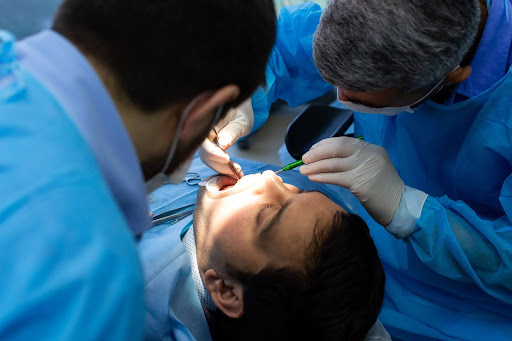
Here at Sleep Dentistry, we get asked this common question: What is twilight anesthesia compared to general anesthesia? The answer lies in the level of sedation and patient awareness. Understanding the differences between twilight vs. general anesthesia methods will help you make a confident decision about your dental care.
Twilight anesthesia provides a lighter level of sedation. Patients remain relaxed and pain-free, but are typically still able to respond to certain cues. Many people have little to no memory of the procedure afterward, but they are not fully unconscious.
General anesthesia, on the other hand, induces a deep, controlled state of unconsciousness. Patients are completely unaware of their surroundings and do not respond to any stimuli. This level of sedation requires careful monitoring of vital signs as well as airway management throughout the procedure.
When Is Each Type Preferred?
What is twilight anesthesia most commonly used for? In most cases, this sedation option is utilized for minor surgical or dental procedures, such as wisdom tooth extraction or minor cosmetic surgeries. It’s ideal when a patient needs to be relaxed, but full unconsciousness isn’t necessary.
Conversely, general anesthesia is preferred for more complex or lengthy surgeries. It is also the go-to option for patients who experience severe anxiety about dental procedures, as it guarantees complete unconsciousness and amnesia.
Procedures Requiring General Anesthesia
Certain dental procedures are complex or invasive enough that general anesthesia is recommended for patient comfort and safety. Here are some common dental treatments that may require general anesthesia:
- Wisdom Teeth Extraction: Especially when the teeth are impacted or the procedure is expected to be lengthy and complicated.
- Extensive Restorative Work: Such as full-mouth reconstruction, multiple dental crowns, or dental bridges performed in a single session.
- Surgical Procedures: Including jaw surgery and complex extractions.
- Pediatric Dentistry: For young children who are unable to cooperate or have special needs, general anesthesia can be used in pediatric dentistry applications.
- Patients with Severe Dental Anxiety: When other sedation methods are insufficient.
Benefits of Using General Anesthesia
Opting for general anesthesia during dental procedures offers several significant advantages. First, it provides complete comfort, as patients are fully unconscious and do not experience any pain or discomfort during the procedure. Additionally, general anesthesia ensures that patients have no memory of the surgery, which can be especially beneficial for those with dental phobias.
It also allows dentists to efficiently complete multiple or complex procedures in a single visit, reducing the need for multiple appointments. And for special needs dentistry or severe anxiety, general anesthesia creates a controlled, safe environment for necessary oral care.
Preparing for Anesthesia
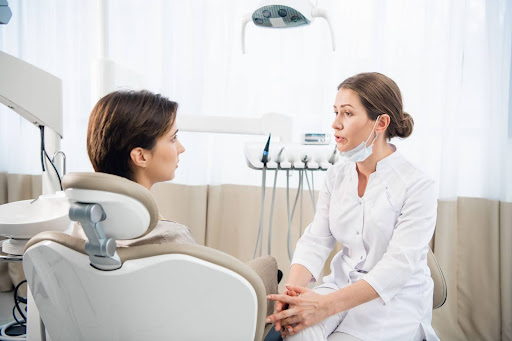
Before your procedure, your dental team will provide specific instructions to help minimize risks.
Fasting Before the Procedure
Most patients are asked to avoid eating or drinking for several hours before receiving anesthesia. This fasting period is extremely important; having food or liquid in your stomach can increase the risk of complications, such as aspiration (inhaling food or fluids into the lungs) during the procedure. Always remember to follow your dental anesthesiologist’s guidelines regarding when to stop eating and drinking!
Reviewing Your Medical History
Your dental team will review your complete medical history, including any chronic conditions, allergies, or current medications. Be honest and thorough here — this information helps the dental anesthesiologist choose the safest anesthesia plan for you. Bring a list of all medications and supplements you take, and mention any previous reactions to anesthesia.
Discussing Concerns and Asking Questions
It’s completely natural to feel anxious about anesthesia, so don’t hesitate to discuss any worries or questions with your dental anesthesiologist before the procedure.
They can explain what to expect, address your concerns, and make adjustments to your care plan if needed. Besides helping to build a sense of trust, open communication allows you to feel both comfortable and informed.
Recovery and Aftercare
Another important factor in the general vs. twilight anesthesia discussion is recovery time. Twilight anesthesia usually allows for a quicker recovery and fewer side effects, while general anesthesia requires more intensive monitoring and a longer recovery period.
Directly following a dental procedure, you’ll be monitored as the anesthesia wears off. It’s common to feel groggy, disoriented, or slightly nauseous for a short period. Some patients may further experience mild side effects such as a sore throat or dry mouth.
Because anesthesia impairs your coordination and judgment, it’s essential to have a responsible adult accompany you home after your procedure. This person can help you get settled, monitor your recovery, and assist if you experience any unexpected side effects.
Tips for a Smooth Recovery
- Rest: Give your body time to recover by taking it easy for the rest of the day. Avoid strenuous activities and get plenty of sleep.
- Hydration: Drink water or clear fluids as soon as you’re able, unless your dentist advises otherwise. Staying hydrated helps your body flush out the anesthesia.
- Follow Post-Operation Instructions: Take any prescribed medications as directed and follow all aftercare instructions provided by your dental team.
- Avoid Certain Activities: Do not drive, operate heavy machinery, or make important decisions for at least 24 hours after receiving anesthesia.
- Eat Light: Start with soft, easy-to-digest foods and gradually return to your normal diet as you feel comfortable.
Common Anesthesia Concerns
Many patients worry about the safety of anesthesia, fearing potential complications or loss of control. The good news is that dental anesthesia is extremely safe when administered by trained professionals.
Modern techniques and medications are designed to minimize risks, and your dental team will carefully evaluate your health history to choose the best approach for you. Serious complications are very rare, and most side effects (i.e., mild grogginess or nausea) are temporary and manageable.
Dental anesthesiologists like Dr. Mahoney undergo extensive training in anesthesia administration, patient monitoring, and emergency response. Throughout your procedure, your vital signs are closely watched, and the team is prepared to respond to any issues that may arise. You can feel confident knowing you’re in the hands of experienced experts who are dedicated to your well-being!
If you ever have concerns about anesthesia, don’t hesitate to discuss them with our dental team. We’re here to answer your questions, address your fears, and keep your experience as safe and comfortable as possible.
Stress-Free Smiles Start with Sleep Dentistry
You don’t have to dread your next dental appointment! At Sleep Dentistry Erie, our personalized anesthesia options are designed to help you relax and feel completely at ease in the dental chair.
Let us create a care plan that prioritizes your comfort every step of the way. Book your appointment now to get started!