
Teeth Cleaning For Adults and Children in Erie, PA

While the foundation of dental hygiene is your at-home dental care routine, it's just as important to visit the dentist regularly to make sure your teeth are healthy and your smile is bright. Regular teeth cleaning performed by a professional dental hygienist prevents gum disease and tooth decay - which could ultimately lead to the removal of the tooth.

smiling couple

Why Have Professional Teeth Cleaning?

There are several good reasons why you should schedule teeth cleaning every six months, even if you maintain a meticulous dental hygiene regimen at home. 

  1. Dentists and dental hygienists have the tools and expertise to monitor for issues you might not necessarily be able to see or feel.

  2. Professional teeth cleaning instruments are the only thing powerful enough to remove hardened dental plaque, aka calculus or tartar. 

  3. Professional teeth cleaning can make your smile appear whiter and brighter, helping to remove stains, plaque, and tartar. 

  4. It can save you time, money, and suffering down the road — teeth cleanings prevent small problems from becoming major issues, sparing you time in the dentist’s chair undergoing costly procedures.

Teeth Cleaning Procedures

It’s important to set kids up for optimal oral health throughout their growth and development, which is a primary focus of pediatric dentistry and aided by regular teeth cleanings. As we get older as adults, we must treat our teeth with extra special attention and care so that we can enjoy life to the fullest. 

A typical teeth cleaning takes 30-60 minutes and consists of: 

  • Oral health exam (may include x-rays)
  • Removal of tartar and plaque buildup
  • Teeth polishing

Dental anesthesia is also available to patients who have a fear of dentists or simply need extra relaxation during procedures. At Sleep Dentistry Erie, we are committed to helping our patients — with or without insurance — achieve their healthiest smiles.

Schedule Appointment

Frequently Asked Questions

How frequently should I have my teeth cleaned?

You should have your teeth cleaned at least once a year for healthy adults, although a routine dental cleaning and examination every six months is preferable. If you have a chronic medical condition (such as diabetes), take medication (especially those that contribute to xerostomia, or dry mouth), wear braces, are prone to poor dietary (sugary or high-carb snacks between meals) or lifestyle habits (smoking), or simply have a mouth that is smaller and more difficult to clean, it is recommended you get checked up on more regularly.

Should I still get my teeth professionally cleaned even if I regularly brush and floss at home?

Yes, you should still get your teeth professionally cleaned. Even with regular brushing and flossing — and good technique with both — the vast majority of people fail to clear away all the plaque that builds up on and between teeth. Once that hardens into dental calculus or tartar, no amount of brushing or flossing can remove it. Only the specialized tools and equipment of a dental hygienist can loosen, rinse, and suction it away.

Why are my teeth so sensitive after a teeth cleaning?

One reason your teeth are so sensitive after a teeth cleaning is dental cleaning tools making contact with gum surfaces, especially puffy or swollen gums, leading to sensitivity or bleeding. Once teeth have been properly scaled of calculus/tartar, tooth structure that may have not been exposed in “many moons” will be experiencing sensation directly for the first time in a while, it will need time to adjust. Exposed tooth roots near the gumline are especially susceptible to sensitivity. 

How soon can I eat and drink again after having my teeth cleaned?

You can eat and drink immediately after having your teeth cleaned, unless you’ve received a fluoride treatment, which needs at least half an hour to settle and seal around your teeth to maximize its enamel-fortifying benefits. Nonetheless, take care with what you eat or drink after a professional dental cleaning, as your teeth will likely be sensitive to hot, cold, spicy, crunchy, or acidic foods. If you’re thirsty, drink water. If you’re hungry, opt for soft foods served near room temperature.

Will routine dental cleanings whiten my teeth?

Whiter teeth are an ancillary benefit of a routine dental cleaning, but not its goal — for that you may want to invest in our Lifetime Whitening Program.  Nonetheless, after we’re done buffering away tartar (which may take on a yellowish or greenish tinge) and polishing your teeth, they may very well look whiter and brighter than when you walked in!

Where To Find Us 

📍 Address: 3915 Caughey Rd, Erie, PA 16506
 
📞 Phone:  (814) 833-3505
 

Recent Posts

What To Do About Sudden Tooth Pain

Posted on September 8th, 2023 at 11:39 AM
What To Do About Sudden Tooth Pain

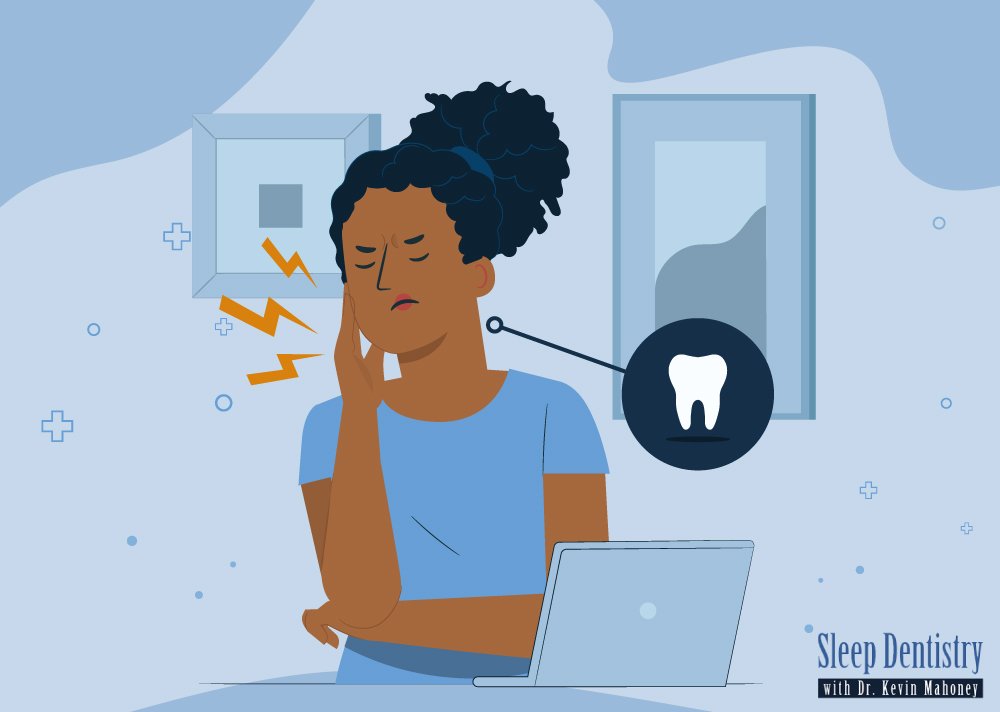
Have you ever woken up with a toothache that was gone before lunchtime? Do you avoid biting into ice cream because it hurts your teeth when you do? Has your mouth been aching on and off ever since you started using whitening strips? If you answered yes to any of these questions, then you have experience with sudden tooth pain. 

Why Am I Experiencing Sudden Dental Pain?

Not every toothache means your tooth is about to fall out. Sudden, sharp tooth pain that goes away over time can have several causes, including:

Cavity

A common cause of acute dental pain is cavities. As plaque builds up on your teeth, it eats through the enamel. This leaves permanent holes in the surface of your teeth. While easily treated by a professional, they are painful and grow until treated. 

Eroding Enamel

Over time, the enamel coating your teeth can erode due to aggressive brushing, eating highly acidic foods, or even eating disorders, particularly bulimia. This can make your teeth ache due to increased sensitivity. Eroded enamel can also make your teeth sensitive to hot or cold foods. 

Receding Gums

Your gums help to protect the nerve endings near the roots of your teeth. If the tissue is worn down, your gums will recede and expose these nerves, which can make your teeth more sensitive. 

Grinding Your Teeth

Grinding or clenching your jaw can wear down enamel and put pressure on your teeth, causing pain. Many people clench their jaws in their sleep or during stressful situations, which means you could be damaging your enamel without realizing it. 

Recent Dental Procedures

If you recently had dental work done, your teeth may be sore. Even routine professional teeth cleaning can leave them tender for a day or two, so don’t worry—in this case, some discomfort is completely normal. 

Teeth Whiteners

Teeth whitening products such as whitening strips or bleaching gels can make your teeth more sensitive, leading to dental pain. This is because many at-home tooth whiteners use active ingredients such as hydrogen peroxide, which thins enamel and irritates dental nerves. 

At-Home Management of Acute Dental Pain

Even if you’re unsure of the cause, it’s possible to treat some dental pain at home. Note that these methods are only for minor issues; serious ones should be treated by a dentist. 

Rinsing with Salt Water

Rinsing your mouth with salt water is a quick, easy way to disinfect minor wounds and loosen debris in your mouth. It can also help to ease swelling. 

Cold Compresses

A cold compress applied to the jaw can help numb tooth pain. If you’re making your own, be sure not to apply ice or an ice pack directly to your skin—wrap it in a cloth first. 

Avoiding Crunchy/Non-Room Temperature Foods

If you’re experiencing pain when eating hot, cold, or crunchy foods, avoiding them can alleviate your discomfort. This won’t solve the sensitivity, but it will spare you some tooth pain. 

Oral Analgesics

Oral analgesics are painkillers taken by mouth and can be useful for stopping dental pain. For example, over-the-counter medicine like Ibuprofen is a great way to deal with minor toothaches. If you’re experiencing bleeding, avoid Tylenol and Aspirin—the active ingredients can make you bleed more. 

Stop Using Teeth Whiteners

If you’re using teeth whitening products, try avoiding them for a few days to see if your pain and sensitivity subside. 

When to See a Professional

Home remedies will only get you so far when it comes to dental pain. You should seek out a professional if you experience one or more of the following symptoms: 

  • Pain that lasts more than 48 hours
  • Pain is accompanied by a fever or headache
  • Chipped or cracked teeth
  • Persistent bleeding
  • Pus 

These symptoms are signs of a more serious issue, such as serious damage or an infection, that won’t go away without professional medical intervention. 

Pain-Free Treatment at Sleep Dentistry

If you’re suffering from a cavity, cracked tooth, or other painful dental issue, come to Sleep Dentistry. As the only licensed dental anesthesiologist in Erie and one of only 300 in the US, Dr. Kevin Mahoney can ensure that you sleep through your procedure completely pain-free. Schedule an appointment with Sleep Dentistry today and rest easy knowing your dental care is in good hands. 

SCHEDULE AN APPOINTMENT