

Teeth Cleaning For Adults and Children in Erie, PA

While the foundation of dental hygiene is your at-home dental care routine, it's just as important to visit the dentist regularly to make sure your teeth are healthy and your smile is bright. Regular teeth cleaning performed by a professional dental hygienist prevents gum disease and tooth decay - which could ultimately lead to the removal of the tooth.

smiling couple

Why Have Professional Teeth Cleaning?

There are several good reasons why you should schedule teeth cleaning every six months, even if you maintain a meticulous dental hygiene regimen at home. 

  1. Dentists and dental hygienists have the tools and expertise to monitor for issues you might not necessarily be able to see or feel.

  2. Professional teeth cleaning instruments are the only thing powerful enough to remove hardened dental plaque, aka calculus or tartar. 

  3. Professional teeth cleaning can make your smile appear whiter and brighter, helping to remove stains, plaque, and tartar. 

  4. It can save you time, money, and suffering down the road — teeth cleanings prevent small problems from becoming major issues, sparing you time in the dentist’s chair undergoing costly procedures.

Teeth Cleaning Procedures

It’s important to set kids up for optimal oral health throughout their growth and development, which is a primary focus of pediatric dentistry and aided by regular teeth cleanings. As we get older as adults, we must treat our teeth with extra special attention and care so that we can enjoy life to the fullest. 

A typical teeth cleaning takes 30-60 minutes and consists of: 

  • Oral health exam (may include x-rays)
  • Removal of tartar and plaque buildup
  • Teeth polishing

Dental anesthesia is also available to patients who have a fear of dentists or simply need extra relaxation during procedures. At Sleep Dentistry Erie, we are committed to helping our patients — with or without insurance — achieve their healthiest smiles.

Schedule Appointment

Frequently Asked Questions

How frequently should I have my teeth cleaned?

You should have your teeth cleaned at least once a year for healthy adults, although a routine dental cleaning and examination every six months is preferable. If you have a chronic medical condition (such as diabetes), take medication (especially those that contribute to xerostomia, or dry mouth), wear braces, are prone to poor dietary (sugary or high-carb snacks between meals) or lifestyle habits (smoking), or simply have a mouth that is smaller and more difficult to clean, it is recommended you get checked up on more regularly.

Should I still get my teeth professionally cleaned even if I regularly brush and floss at home?

Yes, you should still get your teeth professionally cleaned. Even with regular brushing and flossing — and good technique with both — the vast majority of people fail to clear away all the plaque that builds up on and between teeth. Once that hardens into dental calculus or tartar, no amount of brushing or flossing can remove it. Only the specialized tools and equipment of a dental hygienist can loosen, rinse, and suction it away.

Why are my teeth so sensitive after a teeth cleaning?

One reason your teeth are so sensitive after a teeth cleaning is dental cleaning tools making contact with gum surfaces, especially puffy or swollen gums, leading to sensitivity or bleeding. Once teeth have been properly scaled of calculus/tartar, tooth structure that may have not been exposed in “many moons” will be experiencing sensation directly for the first time in a while, it will need time to adjust. Exposed tooth roots near the gumline are especially susceptible to sensitivity. 

How soon can I eat and drink again after having my teeth cleaned?

You can eat and drink immediately after having your teeth cleaned, unless you’ve received a fluoride treatment, which needs at least half an hour to settle and seal around your teeth to maximize its enamel-fortifying benefits. Nonetheless, take care with what you eat or drink after a professional dental cleaning, as your teeth will likely be sensitive to hot, cold, spicy, crunchy, or acidic foods. If you’re thirsty, drink water. If you’re hungry, opt for soft foods served near room temperature.

Will routine dental cleanings whiten my teeth?

Whiter teeth are an ancillary benefit of a routine dental cleaning, but not its goal — for that you may want to invest in our Lifetime Whitening Program.  Nonetheless, after we’re done buffering away tartar (which may take on a yellowish or greenish tinge) and polishing your teeth, they may very well look whiter and brighter than when you walked in!

Where To Find Us 

📍 Address: 3915 Caughey Rd, Erie, PA 16506
 
📞 Phone:  (814) 833-3505
 

Recent Posts

Who Makes a Good Candidate for Sleep Dentistry?

Posted on July 24th, 2020 at 5:09 PM
Who Makes a Good Candidate for Sleep Dentistry?

Sleep dentistry is sometimes also referred to as sedation dentistry, although they’re not exactly interchangeable. Just as one can experience various levels of wakefulness throughout the day, one can also undergo several degrees of sedation in the dentist’s office. Sedation is said to occur on a continuum — there are defined levels and associated characteristics, but individuals can fall anywhere in between.

In general, there is conscious sedation, in which the patient is relaxed and may be slightly delirious, but is still capable of response (typically induced by nitrous oxide, AKA laughing gas) — a sort of twilight state. Once a patient enters deep sedation, they will be asleep but they may react to intense or repeated stimuli. Memory of the procedure is highly unlikely.

True sleep dentistry, however, refers to dental general anesthesia — utter unconsciousness wherein normally involuntary processes such as breathing or even heartbeat often need to be closely monitored and maintained by machines operated by a licensed dental anesthesiologist (such as Dr. Kevin Mahoney). There is no waking up until the work is completed. Check out our previous blog post for a full refresher on deep sedation vs. general anesthesia

The greatest beneficiaries of sleep dentistry

When all protocols and precautions are followed, sleep dentistry is safe and effective for most individuals. Although it may seem excessive for certain routine care procedures, the repercussions of avoiding one’s oral health altogether can be much more severe. For those patients with a physical or mental health condition that makes the idea of receiving dental care unbearable, sleep dentistry may be viewed as a necessity. This includes individuals with:

  • Dental anxiety or phobia
  • Special needs, including developmental disabilities such as autism
  • Time constraints, ie. those who need a lot done in little time
  • Extremely sensitive teeth or gums that cannot get numb via local anesthesia
  • A strong gag reflex
  • Cooperation issues due to a behavioral condition
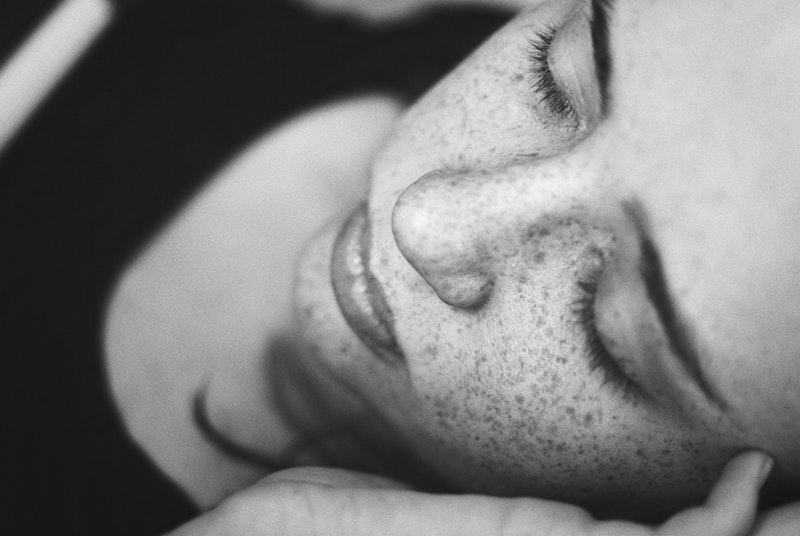
freckled girl sleeping peacefully

When is dental general anesthesia inappropriate?

There are some circumstances when dental general anesthesia may be inadvisable or even dangerous:

  • A pre-existing medical condition — e.g., heart disease, Parkinson’s, Alzheimer’s, or obstructive sleep apnea
  • Current medications — drug categories contraindicated with anesthesia include anticoagulants (blood thinners) and monoamine oxidase inhibitors (certain antidepressants and the majority of Parkinson’s medications)
  • Whether the level of care required warrants it — for instance, routine teeth cleaning should not be rendered under general anesthesia unless necessary. If local anesthesia is not enough, your dentist may recommend conscious sedation first.
  • Whether the patient has had a history of trouble recovering from high levels of sedation.

What to expect before and after a sleep dentistry appointment

It's the general anesthesiologist’s responsibility to inform you of exactly what to expect before, during, and after a sleep dentistry procedure. A pre-operative assessment will be scheduled where your vitals will be taken and you will discuss your medical history and current medications with the anesthesiologist. The anesthesiologist will walk you through the procedure, its steps, and the equipment utilized. They will tell you when to show up, what to wear, and what can and cannot be in your system before the procedure. The instructions typically include:

  • Not eating or drinking 8 hours before the procedure
  • Not smoking 12 hours before the procedure
  • Notifying the dentist’s office if showing signs or symptoms of illness
  • Not wearing jewelry, makeup, or nail polish
  • Removing contact lenses
  • Wearing short or loose sleeves to accommodate IV placement
  • Wearing shoes you can easily walk in after waking up (i.e. no high heels)

Dental general anesthesia can be administered through an IV, a mask (mask induction), or via an injection. Once you’re asleep, an endotracheal tube will help protect your airway and maintain your breathing as the work is completed. After coming to, you should not operate machinery for at least 24 hours — in other words, make sure someone is with you to drive you home and take care of you in the aftermath. Sleep Dentistry with Dr. Kevin Mahoney is committed to creating a safe environment and adhering to a meticulous standard of care for all our patients.

REQUEST APPOINTMENT