
Teeth Cleaning For Adults and Children in Erie, PA

While the foundation of dental hygiene is your at-home dental care routine, it's just as important to visit the dentist regularly to make sure your teeth are healthy and your smile is bright. Regular teeth cleaning performed by a professional dental hygienist prevents gum disease and tooth decay - which could ultimately lead to the removal of the tooth.

smiling couple

Why Have Professional Teeth Cleaning?

There are several good reasons why you should schedule teeth cleaning every six months, even if you maintain a meticulous dental hygiene regimen at home. 

  1. Dentists and dental hygienists have the tools and expertise to monitor for issues you might not necessarily be able to see or feel.

  2. Professional teeth cleaning instruments are the only thing powerful enough to remove hardened dental plaque, aka calculus or tartar. 

  3. Professional teeth cleaning can make your smile appear whiter and brighter, helping to remove stains, plaque, and tartar. 

  4. It can save you time, money, and suffering down the road — teeth cleanings prevent small problems from becoming major issues, sparing you time in the dentist’s chair undergoing costly procedures.

Teeth Cleaning Procedures

It’s important to set kids up for optimal oral health throughout their growth and development, which is a primary focus of pediatric dentistry and aided by regular teeth cleanings. As we get older as adults, we must treat our teeth with extra special attention and care so that we can enjoy life to the fullest. 

A typical teeth cleaning takes 30-60 minutes and consists of: 

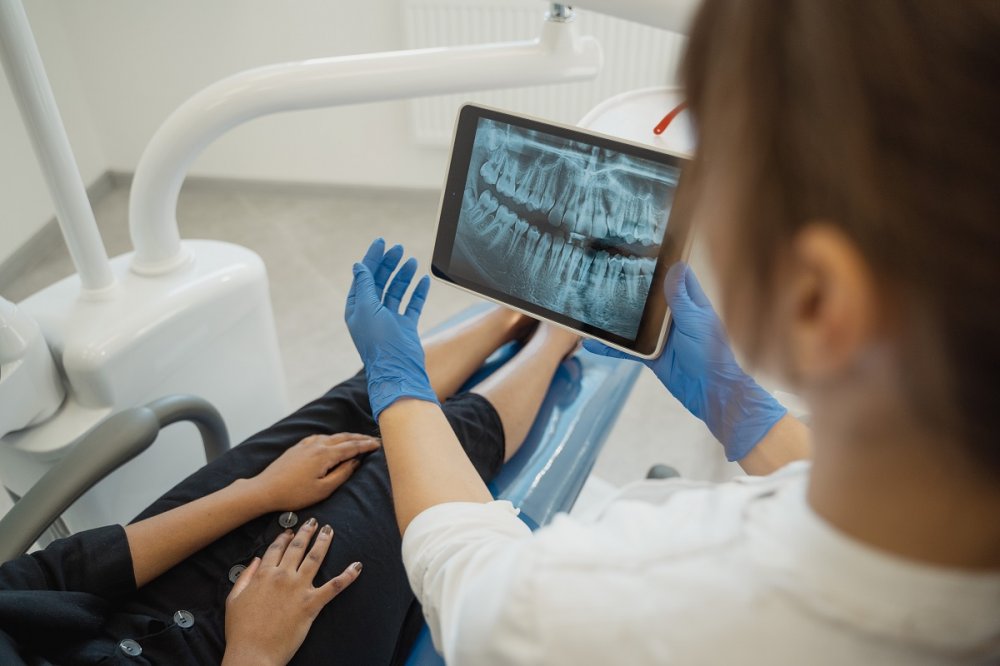
  • Oral health exam (may include x-rays)
  • Removal of tartar and plaque buildup
  • Teeth polishing

Dental anesthesia is also available to patients who have a fear of dentists or simply need extra relaxation during procedures. At Sleep Dentistry Erie, we are committed to helping our patients — with or without insurance — achieve their healthiest smiles.

Schedule Appointment

Frequently Asked Questions

How frequently should I have my teeth cleaned?

You should have your teeth cleaned at least once a year for healthy adults, although a routine dental cleaning and examination every six months is preferable. If you have a chronic medical condition (such as diabetes), take medication (especially those that contribute to xerostomia, or dry mouth), wear braces, are prone to poor dietary (sugary or high-carb snacks between meals) or lifestyle habits (smoking), or simply have a mouth that is smaller and more difficult to clean, it is recommended you get checked up on more regularly.

Should I still get my teeth professionally cleaned even if I regularly brush and floss at home?

Yes, you should still get your teeth professionally cleaned. Even with regular brushing and flossing — and good technique with both — the vast majority of people fail to clear away all the plaque that builds up on and between teeth. Once that hardens into dental calculus or tartar, no amount of brushing or flossing can remove it. Only the specialized tools and equipment of a dental hygienist can loosen, rinse, and suction it away.

Why are my teeth so sensitive after a teeth cleaning?

One reason your teeth are so sensitive after a teeth cleaning is dental cleaning tools making contact with gum surfaces, especially puffy or swollen gums, leading to sensitivity or bleeding. Once teeth have been properly scaled of calculus/tartar, tooth structure that may have not been exposed in “many moons” will be experiencing sensation directly for the first time in a while, it will need time to adjust. Exposed tooth roots near the gumline are especially susceptible to sensitivity. 

How soon can I eat and drink again after having my teeth cleaned?

You can eat and drink immediately after having your teeth cleaned, unless you’ve received a fluoride treatment, which needs at least half an hour to settle and seal around your teeth to maximize its enamel-fortifying benefits. Nonetheless, take care with what you eat or drink after a professional dental cleaning, as your teeth will likely be sensitive to hot, cold, spicy, crunchy, or acidic foods. If you’re thirsty, drink water. If you’re hungry, opt for soft foods served near room temperature.

Will routine dental cleanings whiten my teeth?

Whiter teeth are an ancillary benefit of a routine dental cleaning, but not its goal — for that you may want to invest in our Lifetime Whitening Program.  Nonetheless, after we’re done buffering away tartar (which may take on a yellowish or greenish tinge) and polishing your teeth, they may very well look whiter and brighter than when you walked in!

Where To Find Us 

📍 Address: 3915 Caughey Rd, Erie, PA 16506
 
📞 Phone:  (814) 833-3505
 

Recent Posts

Why Oral Health and Overall Health Are One And the Same

Posted on September 24th, 2021 at 11:48 AM
Why Oral Health and Overall Health Are One And the Same

Do you remember the last time you visited your dentist? Was it because of oral health issues, or because of other reasons? When you think of an individual's oral health, it is easy to see the importance of personal dental hygiene.

You might be surprised to discover how much oral health and overall health are intertwined. The mouth is more than simply a place where food gets chewed up before being passed through the esophagus into the stomach.

It's important to go for regular dental hygiene visits because oral problems aren't just uncomfortable —they can lead to bigger issues in your life. The issues, if not treated or managed properly, can even affect your mental health.

Poor oral health can cause several serious complications, which is why people need to take the time to maintain their teeth. From bad breath and tooth decay to periodontal disease and gum infections, there are many risks associated with not taking care of one's mouth.

The mouth as a barometer of overall health

The oral cavity is also home to your teeth, gums, tongue, and oral mucosa. And if oral health isn't the same as overall health, it's very close! Since the oral cavity is not separate from the rest of the body, oral health can act as a barometer for general health; when one part of your mouth goes wrong (for instance, you get oral thrush) or develops abnormally (such as with oral cancer), that's often an indication that something more serious has happened inside your body.

Oral infections are linked with several chronic conditions including diabetes and cardiovascular disease. A recent study found overweight people who brush twice daily had higher levels of good cholesterol than overweight people who only brush once every two days. This is just one example of the link between oral health and overall health.

Other oral health issues are also quite prevalent among the elderly, stroke patients, people with mental disabilities, and other groups. The oral cavity is an ideal starting point from which to spread oral infection in these situations because oral tissues have a compromised immune system due to age or conditions such as diabetes.

About 20 percent of all heart-related deaths stem from some kind of oral disease. It's been found that if someone has cardiovascular disease and is seen by a dentist but not a doctor, they're less likely to seek medical treatment for their overall condition than someone who sees both a dentist and a doctor within six months of each other.

Overall health complications caused by poor oral health

Taking care of what goes on with oral health can tell you a lot about what's going on inside your body. If you have gum disease, that means periodontal disease is present and it may mean something else is wrong as well.

This oral-body connection isn't just limited to diseases, either—it also applies to oral conditions such as cavities or oral infections. Healthy gums usually don't bleed when you brush them. If they do, this could be the symptom of more than just an oral issue: It could indicate serious issues like diabetes and high blood pressure (both of which can cause gum problems). It could even be a sign of cancer in the mouth.

Mouths don't always directly "bleed," but the oral-body connection is very powerful. That's why oral health should be taken seriously, to prevent future issues that could lead to pain or serious illness.

Taking care of the mouth

Even oral health professionals such as dental hygienists and dentists recommend taking care of your mouth through a good oral care regimen. This includes brushing twice daily, flossing once daily (or at least three times a week), and limiting sugary food and beverages. Brushing removes plaque and debris from teeth and gums to promote oral health. Flossing helps remove plaque between the teeth that are usually missed during toothbrush sweeps. Limiting sugary foods and drinks gives oral bacteria less fuel for their acidic fires; they produce acids as a result of metabolizing sugars, which can eat away at the enamel on teeth—leaving them rougher than normal after consumption.

Dental health and oral hygiene directly contribute to oral wellness. Good oral hygiene helps prevent cavities, gum disease, oral cancer, bad breath, broken teeth, chipped teeth, and tooth sensitivity…to name a few oral health problems.

Our comprehensive dental care team at Sleep Dentistry Erie is here for you in good times (routine cleanings/checkups) or bad. Dental anxiety or phobia? You can schedule a pain-free sleep dentistry appointment to help your teeth and gums stay healthy while under dental general anesthesia

We look forward to seeing how our team of experts can support you with all your oral health needs. No matter what challenges arise in our lives — good or bad — Sleep Dentistry is committed to helping patients at their happiest and healthiest! Have any questions about the services we provide? Let us know anytime, day or night!

CONTACT US