

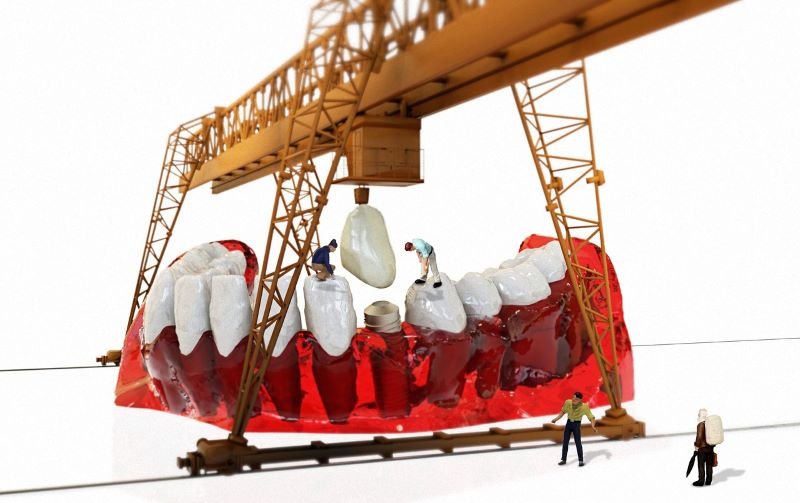
Every tooth you have is a finely tuned piece of engineering and architecture, with a specialized function and shape that allows it to both work with and fit in with its partners. A typical, healthy adult mouth will have either 28 or 32 teeth (depending on whether or not the wisdom teeth, or third molars, have been removed). When one or more teeth suffer damage or decay, it affects the entire operation. Thankfully, with the modern materials and technologies available, we can perform partial or complete smile makeovers through dental restorations.
What are the four types of teeth?
- Incisors (8 total): Four central teeth on the upper and lower jaw, with a fine edge for chopping and cutting food into smaller chunks.
- Canines (4): The two pointed teeth on either side of each set of incisors. They help grip and tear food.
- Premolars (8): There are two of these between each of the four canines and the corresponding set of molars in each corner of the mouth. The sharper front edge assists the canine with tearing, while the more flattened back half helps the molars to crush food.
- Molars (8-12): The flat surfaces of molars crush and grind food up to make it easier to swallow. There are 2 in each corner of the mouth (3 if the wisdom teeth remain in place).
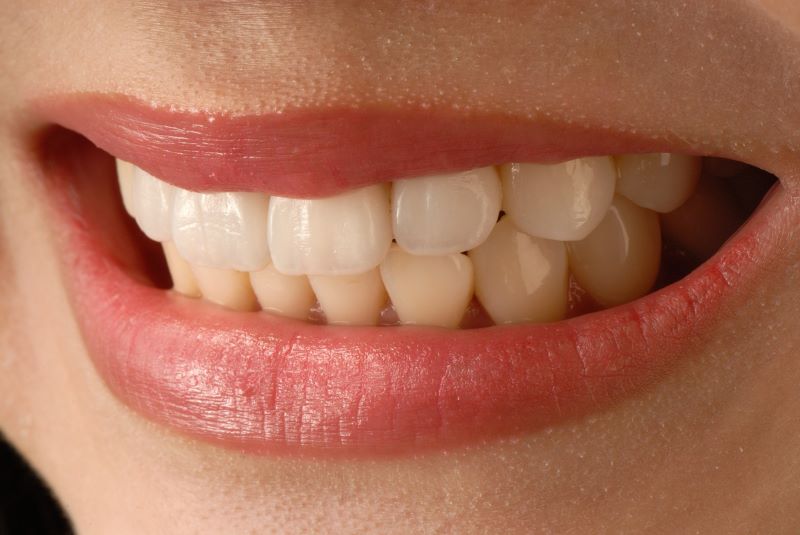
What is the anatomy of a tooth?
Enamel: The white outermost layer of each tooth, comprised mostly of the mineral calcium phosphate, is one of the hardest organic substances in the world — the equivalent of crystal rock!
Dentin: Underneath the enamel is the dentin, a hard tissue harboring a network of microscopic tubes. These tubes are supply lines for the nutrients your teeth need to stay healthy.
Pulp: The soft, spongy innermost layer of the tooth is alive with blood vessels and nerves. It is our job as a dentist and your job as a patient to preserve the outer tooth so the inner tooth remains protected at all costs!
Crown: Refers to the uppermost part of each tooth above the gumline. This is the part of the tooth you are most familiar with when you smile and eat.
Neck: The circumference of the tooth where it inserts into the bone socket, separating the crown and the root.
Root: The part of the tooth beneath the gumline, anchored into the jaw by a connective material called cementum.

What can I do about a damaged or unsightly tooth?
No one is perfect. Even with a committed oral hygiene routine, teeth can suffer the effects of decay because of age or genetics. Luckily, modern tooth restoration techniques can get a damaged tooth working and looking as good as new! There are two main categories of dental restorations.
Direct: These restorations, usually dental fillings, are completed in a single sitting. The tooth is cleaned and prepped and soft material is worked into the cavity, set into place, ground, and polished to ensure a smooth finish and perfect bite.
Indirect: Sometimes, when damage to a tooth is more extensive, a dentist will take impressions and send them off to a lab, where a dental technician will fabricate the restoration outside the office. During a subsequent visit, the dentist will cement the restoration into place. Examples include:
- Inlays and onlays (similar to fillings, but formed outside the office)
- Bridges (false teeth to fill gaps in your smile)
- Crowns (a cap for a damaged or weakened tooth)
- Veneers (a porcelain shell that fits over the tooth for either protective or cosmetic purposes)
Achieve your best smile with Dr. Kevin Mahoney.
Whether you need your mouth to feel better or want your smile to look better, the staff at Sleep Dentistry Erie has the tools and the materials to get you there. Not only that, but you can also skip any pain and discomfort in the process thanks to safe, effective general anesthesia!