
Frequently Asked Questions

Do you have payment plans? And do you take insurance?

We have both payment plans and we take insurance! We want to give you and your family every opportunity to have a beautiful smile. Qualified individuals can apply for monthly payment plans. We will process your dental insurance for you and calculate your co-pay after we have verified your enrollment in the plan.

I have a busy schedule; will I be able to see the dentist at a time that will work with my schedule?

Because we understand the difficulty of squeezing time out of your busy day for a dental appointment, we have an early morning appointment at 7:00 a.m. You can also schedule an appointment as late as 5:45 p.m. in the evening. Please call for availability.

It has been years since I have been to the dentist and it has really started to show. Is it too late for me to fix my teeth?

It's never too late to fix your smile! Today’s technology allows for many opportunities so you can get back on the road to dental health quickly. We can provide your dental treatment in one visit - with or without sleep dentistry.

What are porcelain veneers that I see on TV?

Porcelain veneers are a treatment to make your teeth white and straight, using a fine, porcelain covering or crown over your own teeth.

How often should I visit the dentist?

It is recommended that everyone visits the dentist every six months. However, in certain circumstances, you may be asked to come in more often. Schedule a routine check-up with Dr. Mahoney to find out what would work best for you.

Is flossing necessary?

Despite what many people may think, flossing actually is necessary for and beneficial to your oral health. While just brushing your teeth is better than doing nothing, flossing covers portions of the teeth that your brush cannot reach: the "in-between." These areas of your mouth are the hardest (and quite frankly the most annoying) areas to clean, causing them to be the most vulnerable to diseases. Flossing is the best way to help combat potential diseases.

Should I visit the dentist if I am pregnant?

For the majority of women, routine dental visits while pregnant are safe. For major dental work, however, it is generally recommended that the treatment be pushed back until after the baby is delivered. With that being said, everyone is different and you should be sure to consult with your doctor and your dentist to get the best professional advice possible.

What causes cavities?

Cavities are caused by two words: Plaque Formation. It's as simple as that! Plaque is formed by the combination of saliva, acid, bacteria, and food particles in the mouth. It builds up, attacks the enamel of your teeth, and eventually causes holes, otherwise known as cavities.

Should I visit the dentist if I wear dentures?

Yes, you should still visit the dentist if you wear dentures. Going to the dentist is about more than just checking on teeth. It is also about checking on the health of the tissue underneath your dentures, making necessary adjustments, and a possible oral cancer screening.

Ask Our Erie Dental Team

Recent Posts

What Happens During Dental General Anesthesia?

Posted on July 24th, 2023 at 10:00 AM
What Happens During Dental General Anesthesia?

“Can I be put to sleep for dental work?” If you suffer from a dental anxiety or phobia, you’ve probably wondered this more than once. The thought of being awake while your dentist pokes around your mouth with metal picks is enough to unnerve anyone, so it’s only natural to want to be unconscious for it. 

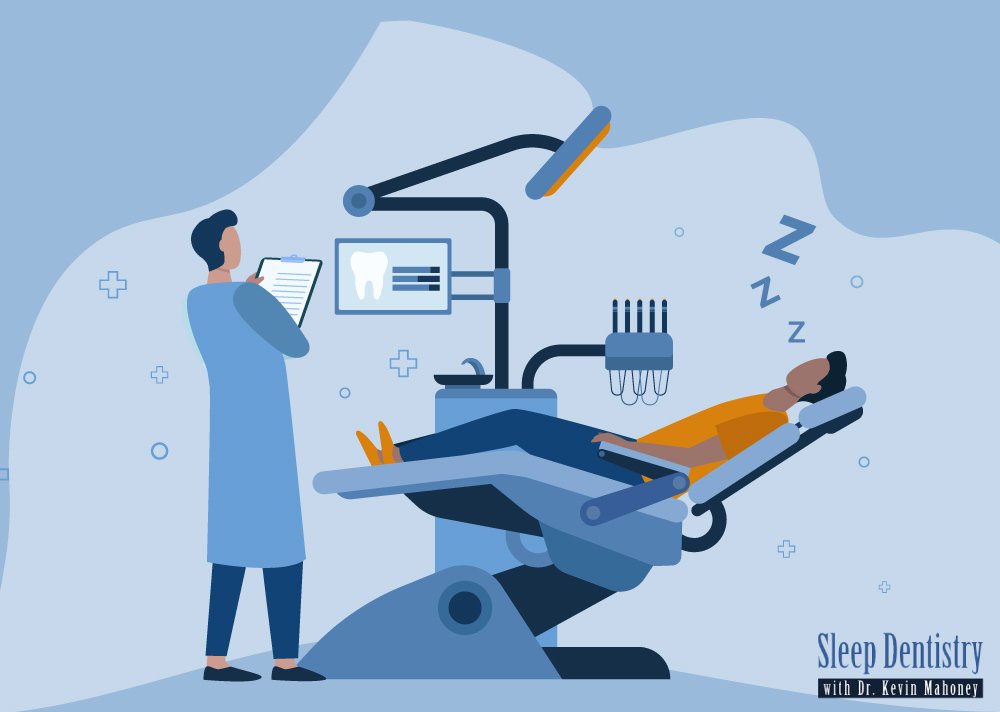
That’s where sleep dentistry comes in. During sleep dentistry, patients are placed under general anesthesia while their dentist performs the necessary procedure. Not only does this allow the patient to sleep through the process pain-free, it allows the dentist to perform multiple procedures in one session, saving time. 

For those with dental anxieties or phobias, sleep dentistry is a perfect solution. But now that you know you can be put to sleep, your next question may be this: “What actually happens during dental general anesthesia?”

How is Dental General Anesthesia Applied?

Dental general anesthesia is applied through one of two methods: in liquid form through an IV drip, or in gaseous form through a face mask. It can’t be administered by a standard dentist; it must be administered by a licensed dental anesthesiologist. After you lose consciousness, the anesthesiologist will monitor your breathing and other vital signs during the procedure and administer additional anesthesia as needed. This is to make sure the patient stays under. 

The amount of time patients remain unconscious varies depending on the amount of work they require. The average timeframe is between 1-6 hours. 

What Equipment is Used During Sleep Dentistry?

The exact equipment used during general anesthesia dentistry will vary depending on the practice and the method of sedation used. A liquid form will involve an IV line, while a gaseous form will use a face mask, a gas canister, and a machine to pump the anesthetic. There’s also life-support equipment used to monitor the patient’s vitals during the procedure, such as breathing tubes and heart rate monitors. Lastly, there’s any equipment the dentist uses for the dental work itself: suction tubes, hoses, air compressors, cleaning tools, and whatever else is necessary for the procedure they’re performing. 

Is General Anesthesia Safe for Dental Work? 

Like many medical practices, dental general anesthesia is safe as long as it's performed correctly. Certain factors, such as high blood pressure, obesity, or other conditions, may put you at a higher risk of anesthesia-related complications. In rare cases, a patient may experience an allergic reaction to the anesthetic. Your anesthesiologist will conduct a health assessment before your surgery to learn about pre-existing health conditions, medications, and health habits. They will also monitor you during the procedure to make sure you aren’t experiencing complications. 

Experience Sleep Dentistry with Dr. Kevin Mahoney

If you’re experiencing a dental anxiety or phobia and want to schedule a sleep dentistry appointment, schedule with Dr. Kevin Mahoney at sleep dentistry. As the only board-certified dental anesthesiologist in Erie, he’ll make sure that you enjoy a painless, fear-free procedure. Contact Sleep Dentistry and schedule your appointment today. 

SCHEDULE AN APPOINTMENT