

Orthodontics in Erie, PA

Cosmetic Dental Services in Erie, PA

Unfortunately, many of us aren’t born with the blueprints for a perfect smile. Our permanent teeth may come in misspaced or misaligned, or our jaws may be out of sync or out of proportion with one another. These imperfections often affect more than looks — untreated, they may compromise oral hygiene and dental health. 

Orthodontics is the area of dentistry dedicated to correcting bite issues (malocclusion) to help patients not only look better, but also breathe, chew, speak, and care for their teeth easier.

Orthodontic services we offer

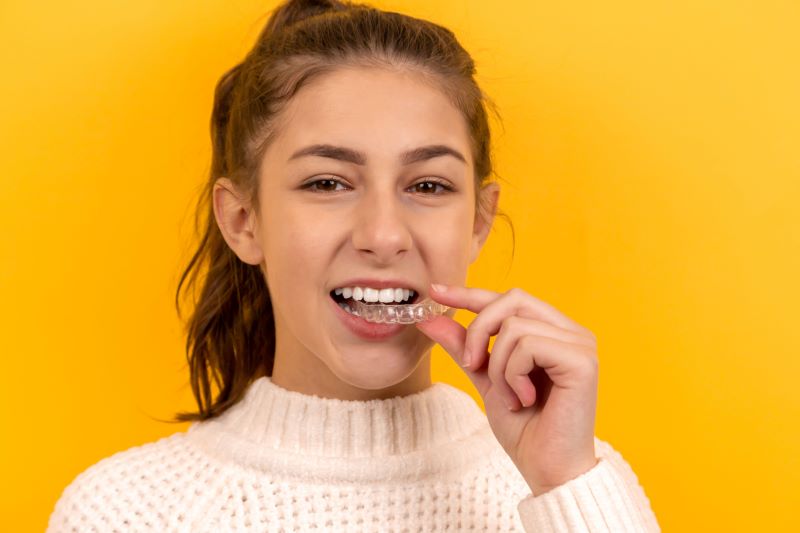
Sleep Dentistry with Dr. Kevin Mahoney is pleased to offer a full complement of orthodontic treatments and appliances in Erie, PA, from traditional metal braces to Invisalign (invisible aligners). No matter how old you are or where you’re at in your mouth’s development, realignment can make a world of difference in function and your quality of life.

When is the best time for braces?

The American Dental Association advises parents to schedule an appointment with a certified orthodontist or a dental professional familiar with orthodontic practice, like Dr. Kevin Mahoney in Erie, PA, by the age of 7. During the initial consultation, bite issues will be assessed and a course of action will be determined. 

Braces are generally worn during a child’s preteens or early teens (ages 10 to 14) because the bones in the head and mouth are rapidly growing and developing during this time, which makes teeth easier to move and straighten. However, it should be noted that 1 in 5 modern orthodontic patients are adults!

Whenever you or a loved one is in line for alignment correction, we are ready to deliver our Erie, PA orthodontic services to you.

Request Appointment

man smiling

Frequently Asked Questions

What is orthodontics?

Orthodontics is a dental specialty that focuses on the diagnosis, prevention, interception, and correction of malocclusion (the imperfect positioning of the teeth), along with neuromuscular and skeletal abnormalities.

What are braces?

Braces are meant to straighten and correct the alignment of your teeth that consist of brackets and wires. Some types of braces include:

  • Clear
  • Ceramic
  • Gold
  • Lingual (behind the Tooth)
  • Self-ligating
  • Metal
  • Invisalign (Braces Alternative)
Does getting braces hurt?

Getting braces usually includes minor aches and pains that occur when they are first put on, and when they are adjusted. These pains are known to only last a short amount of time and leave no lasting effect. If necessary, over-the-counter painkillers can be used to alleviate some of the pain.

Why should I get orthodontic treatment?

There are two main reasons to get orthodontic treatment, the first being aesthetic. Having an attractive smile can enhance your own self-image and also change the way people see you. The second being function. Getting orthodontic treatment can help your teeth develop better, and make them easier to clean, which can improve your overall health.

How often do I need to visit the orthodontist?

Usually, during treatment, patients are to visit every four to six weeks. This allows us to track the progress of your treatment and make any changes if necessary. After braces are removed, it is recommended that you visit your orthodontist every six months for a general check up on how your teeth have adjusted to the changes.

After my braces are removed, how should I care for my retainer?

Caring for your retainer after braces should become a regular activity for you. During meal times, keep your retainer in its protective case provided by your dentist. This will ensure it does not get lost or broken. After eating, brush your teeth thoroughly before putting the retainer back in. At the end of the day, it is important to clean your retainer. Cleaning it with toothpaste is not recommended, but brushing it gently with a toothbrush and antibacterial soap is. Never place your retainer in boiling water or a dishwasher to clean it.

Where To Find Us 

📍 Address: 3915 Caughey Rd, Erie, PA 16506
 
📞 Phone:  (814) 833-3505
 

Recent Posts

Caring for Aging Teeth and Gums

Posted on February 16th, 2023 at 11:51 AM
Caring for Aging Teeth and Gums

No part of the body is exempt from the effects of aging, including our teeth and gums. In this blog, we’ll describe the physical changes that happen within the mouth as we grow older, the impacts those changes have on oral health, and how to keep your smile healthy and looking young.

How do teeth change with age?

Aging teeth undergo a good deal of wear and tear, even with proper care. Naturally, the areas where we bite and chew often flatten. The alignment of our teeth can also potentially change from early adulthood if we’ve encountered some sort of injury or related oral health issue along the way. Anything that has permanently altered the layout of our mouths can cause new health issues in later years.

With age, bones are less dense and strong, including tooth enamel. Sometimes seniors experience having teeth that have grown yellow or brown. This discoloration can be a result of age or a byproduct of taking medication. Other causes include diet, smoking, excess coffee, excess red wine, and not adhering to good oral health practices (brushing for two minutes and flossing twice a day).

How do gums change with age?

Similar to what we experience with aging teeth, our gums also change. The most common issue is gum recession. This term describes the process when gum tissue surrounding the teeth begins pulling away, exposing more of each tooth. Eventually, even the roots underneath become visible. With gum recession comes sensitivity to heat and cold, along with sensations of discomfort and pain. The latter can occur even when the mouth is inactive.

Oral health ramifications of aging teeth and gums

Aging teeth and gums can affect the function and structure of the whole mouth and in turn overall health.

The weaker an individual’s oral health, the more difficult everyday actions like eating or brushing teeth become. These actions become more tedious, time-consuming, and ultimately expensive when oral health services are required to address the issues.

However, as seniors age and their health changes, relying on best practices can mitigate the effects of time and keep teeth white and faces smiling.

Senior dental care best practices

Despite the problems that come with aging teeth and gums, certain behaviors can help older adults prolong and promote healthy mouths.

Your diet will always play a role in your oral health, especially as you grow older. Avoid hard foods that require intense chewing or biting. These actions wear on the enamel. Eating the wrong foods like a nut or even an apple could result in a chipped or potentially broken tooth. The same applies to sugary foods and drinks which cause plaque build-up and weaken teeth.

Be sure to keep your body, and thus your mouth, hydrated. Proper hydration will help you produce saliva, necessary to properly break down food. Saliva also helps clean the teeth and slows oral decay. With age comes a naturally drier mouth. Remedy this by drinking water. If medication causes you to have a dry mouth, consider drinking more water or altering your medication.

Best practices also include a proper brushing regimen. Be sure to use an effective brushing technique, floss after you brush, and follow that with a final rinse. Don’t brush for too long or too hard because this can cause your gums to recede. 

In addition to what’s done at home, dentists recommend at least 2 visits a year for routine and deeper cleanings. Regular senior dental care allows dental professionals to spot issues that would otherwise go unnoticed. Dentists can also prescribe specialized mouthguards in specific situations and other helpful tools depending on your circumstances.

Keep your smile looking young with Dr. Mahoney

Here at Sleep Dentistry, we value senior dental care. You can find restorative and cosmetic dental services to maintain healthy mouth function and appearance. Our Smile Makeover treatment is offered through veneers, fixed bridges, dental implants, and more, helping you renew both your teeth and confidence. Lifetime Whitening allows patients a lifetime of whitening treatments for a one-time enrollment fee. Give us a call and keep your smile looking young with Sleep Dentistry!

REQUEST AN APPOINTMENT