



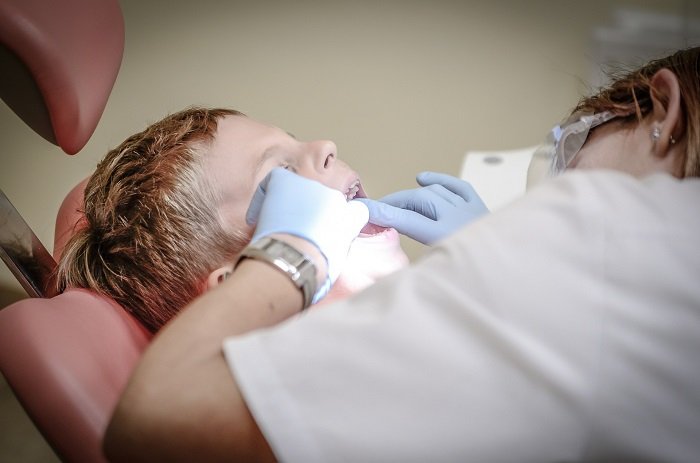
For some, going to the dentist may cause immense fear or anxiety throughout a visit. Because of this phobia, people have been reluctant to seek proper dental care, and there needed to be a way for patients to feel comfortable during any dental procedure. Now, there is: deep sedation and general anesthesia have been used in dentistry since the early 1900s. However, in today’s world, we have a much better understanding of how it works and the best practices for it.
Deep sedation is possible through a drug-induced depression of the central nervous system, allowing patients to remain comfortable while still being able to respond to stimuli. Dental sedation encompasses a range of techniques used to manage anxiety and pain during dental procedures.
No matter the specific operation being performed, all sedative drugs are carefully selected and administered according to established practice guidelines to ensure patient safety.
Understanding Dental Phobia
While dental anxiety is common, dental phobia is a more intense and overwhelming fear that can prevent individuals from seeking even the most basic dental care. This severe anxiety can lead to avoidance of dental appointments, putting patients at increased risk for oral health problems and complications.
Dental phobia often manifests as panic attacks, extreme distress, or a complete refusal to undergo dental procedures. Recognizing the signs of dental phobia is crucial so that dentists can tailor their approach to each patient’s needs.
Sedation dentistry offers a range of solutions to help patients feel calm and safe during treatment. A dental anesthesiologist like Dr. Mahoney will carefully monitor vital signs like blood pressure and heart rate throughout the procedure, ensuring patient safety and comfort. By addressing dental phobias with personalized care and appropriate sedation, dental practices can help patients overcome their fears and receive the dental care they need.
Perks of using general anesthesia for dentistry
Around 15 percent of Americans avoid seeing the dentist due to fear and anxiety. That may not seem like a lot, but that equates to an estimated 40 million people! With general anesthesia, the patient will have a temporary loss of consciousness and will not remember any part of the dental procedure. This makes dental visits much more bearable and comfortable for patients with dental anxiety. It can also benefit:
- Patients with low pain tolerance
- Children (and even adults) who cannot sit still in a chair
- Patients struggling with dentin hypersensitivity, or tooth sensitivity
- Patients with an overactive gag reflex
- Patients who need an extensive amount of dental work done
- patients who require complex procedures, such as a root canal
- Patients with special needs
Using general anesthesia, large amounts of dental work can be performed in just one or two appointments. This is a big reason that a patient may choose general anesthesia for dental procedures, also known as sleep dentistry.

Are deep sedation procedures for dentistry safe?
With any medication or procedure, there are always possible side effects and risks - and deep sedation procedures are no exception. Ultimately, everyone will have a different reaction to sedation.
Most people tolerate sedation well, but certain other conditions or other medications can affect how a patient responds to sedation. Some people may need more medicine than others for the sedation to take full effect. For this reason, a patient must follow the dentist’s instructions before, during, and after the procedure to produce the safest results. Side effects of sedation include:
- Nausea
- Dizziness
- Vomiting
- Swelling or numbness within the mouth or at the injection site
With the proper care and preparation before and after the procedure, deep sedation is a safe and fuss-free procedure (for both children and adults).
Preparation for Deep Sedation Procedures
Proper preparation is essential for a smooth and stress-free dental appointment, especially when sedation or anesthesia is involved. Patients should always share their complete medical history and list of current medications with their dentist to help identify any potential risks and tailor the treatment plan accordingly.
Before complex treatment such as root canals or dental surgery, the dental team will conduct a thorough assessment of oral health and discuss all available sedation options. Patients may be advised to avoid eating or drinking for a certain period before the procedure, and it’s often necessary to arrange for someone to drive them home if sedation is used.
Asking questions about the procedure, what to expect during recovery, and how sedation wears off can help reduce anxiety and ensure a positive experience. Being well-prepared empowers patients to approach their dental visit with confidence, knowing their comfort and safety are top priorities.
How to find a dentist who offers deep sedation and general anesthesia
With deep sedation and general anesthesia becoming more popular in today’s society, most dental offices will disclose that they perform deep sedation and general anesthesia procedures on their website. However, if you call and set up an appointment with Dr. Kevin Mahoney at Sleep Dentistry Erie, he can help you decide if deep sedation or general anesthesia is right for you. If it is, then Dr. Mahoney can perform your procedure at your earliest convenience!