

Orthodontics in Erie, PA

Cosmetic Dental Services in Erie, PA

Unfortunately, many of us aren’t born with the blueprints for a perfect smile. Our permanent teeth may come in misspaced or misaligned, or our jaws may be out of sync or out of proportion with one another. These imperfections often affect more than looks — untreated, they may compromise oral hygiene and dental health. 

Orthodontics is the area of dentistry dedicated to correcting bite issues (malocclusion) to help patients not only look better, but also breathe, chew, speak, and care for their teeth easier.

Orthodontic services we offer

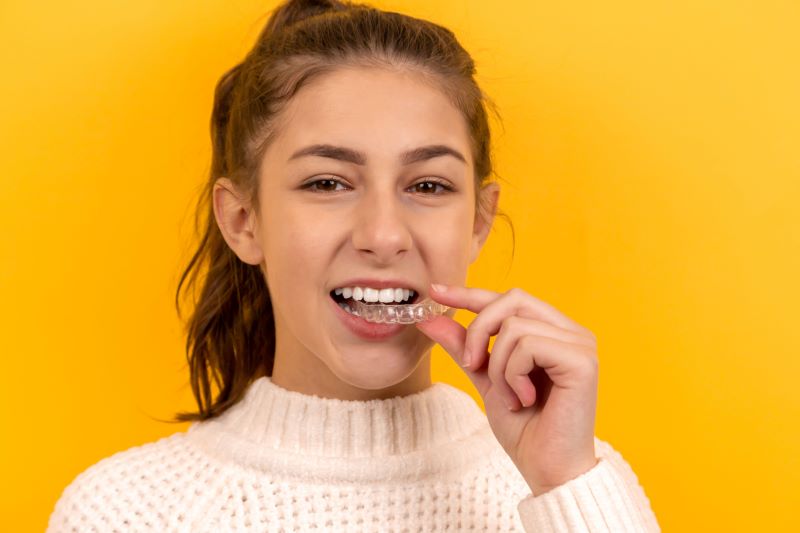
Sleep Dentistry with Dr. Kevin Mahoney is pleased to offer a full complement of orthodontic treatments and appliances in Erie, PA, from traditional metal braces to Invisalign (invisible aligners). No matter how old you are or where you’re at in your mouth’s development, realignment can make a world of difference in function and your quality of life.

When is the best time for braces?

The American Dental Association advises parents to schedule an appointment with a certified orthodontist or a dental professional familiar with orthodontic practice, like Dr. Kevin Mahoney in Erie, PA, by the age of 7. During the initial consultation, bite issues will be assessed and a course of action will be determined. 

Braces are generally worn during a child’s preteens or early teens (ages 10 to 14) because the bones in the head and mouth are rapidly growing and developing during this time, which makes teeth easier to move and straighten. However, it should be noted that 1 in 5 modern orthodontic patients are adults!

Whenever you or a loved one is in line for alignment correction, we are ready to deliver our Erie, PA orthodontic services to you.

Request Appointment

man smiling

Frequently Asked Questions

What is orthodontics?

Orthodontics is a dental specialty that focuses on the diagnosis, prevention, interception, and correction of malocclusion (the imperfect positioning of the teeth), along with neuromuscular and skeletal abnormalities.

What are braces?

Braces are meant to straighten and correct the alignment of your teeth that consist of brackets and wires. Some types of braces include:

  • Clear
  • Ceramic
  • Gold
  • Lingual (behind the Tooth)
  • Self-ligating
  • Metal
  • Invisalign (Braces Alternative)
Does getting braces hurt?

Getting braces usually includes minor aches and pains that occur when they are first put on, and when they are adjusted. These pains are known to only last a short amount of time and leave no lasting effect. If necessary, over-the-counter painkillers can be used to alleviate some of the pain.

Why should I get orthodontic treatment?

There are two main reasons to get orthodontic treatment, the first being aesthetic. Having an attractive smile can enhance your own self-image and also change the way people see you. The second being function. Getting orthodontic treatment can help your teeth develop better, and make them easier to clean, which can improve your overall health.

How often do I need to visit the orthodontist?

Usually, during treatment, patients are to visit every four to six weeks. This allows us to track the progress of your treatment and make any changes if necessary. After braces are removed, it is recommended that you visit your orthodontist every six months for a general check up on how your teeth have adjusted to the changes.

After my braces are removed, how should I care for my retainer?

Caring for your retainer after braces should become a regular activity for you. During meal times, keep your retainer in its protective case provided by your dentist. This will ensure it does not get lost or broken. After eating, brush your teeth thoroughly before putting the retainer back in. At the end of the day, it is important to clean your retainer. Cleaning it with toothpaste is not recommended, but brushing it gently with a toothbrush and antibacterial soap is. Never place your retainer in boiling water or a dishwasher to clean it.

Where To Find Us 

📍 Address: 3915 Caughey Rd, Erie, PA 16506
 
📞 Phone:  (814) 833-3505
 

Recent Posts

The Benefits of Dental Therapy Dogs (featuring Dogtor Gizmo)

Posted on February 20th, 2020 at 5:18 PM
The Benefits of Dental Therapy Dogs (featuring Dogtor Gizmo)

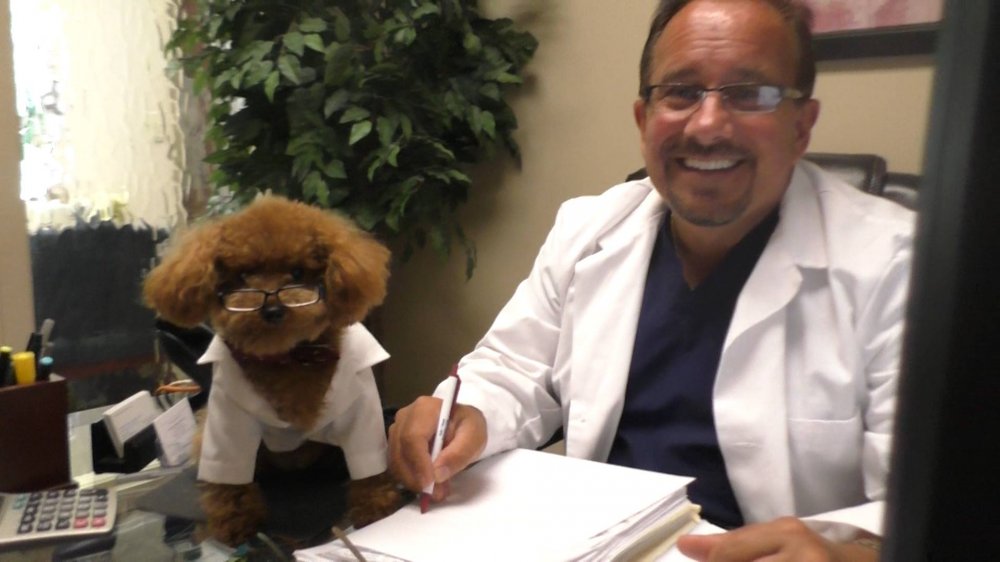
If you’ve visited the Sleep Dentistry office in the past few years, you may have met Dr. Kevin Mahoney’s furry, friendly assistants, Dogtor Gizmo and his brother Gadget. If you’re unfamiliar, you may be wondering what the tiny toy poodles are doing in a dentist’s office. Dogtor Gizmo and Gadget aren’t around just for show — dental therapy dogs put in serious time working and bonding with patients, particularly those suffering from a dental phobia or anxiety. As research supporting the benefits of therapy dogs continues to grow, more dental professionals are officially adding these comforting canines to their staff.

What is a dental therapy dog?

Dental therapy dogs undergo intensive training for obedience, temperament, and compassion. They are on-site for part or all of a dental practice’s office hours to provide emotional support for patients with dental anxiety. They help calm patients and make the overall experience more pleasant with wagging tails and loving hearts. Dogtor Gizmo has been a valuable member of Dr. Mahoney’s staff for nearly three years now and has made many friends both at the practice and throughout the community, volunteering his free time at hospitals and nursing homes to lift the spirits of children and seniors in need of companionship. 

How dental therapy dogs provide comfort

Dental therapy dogs, and therapy dogs in general, have been shown to provide the following benefits:

  • Decreased blood pressure
  • Lowered anxiety and stress
  • Increased social interaction
  • Enhanced mood and sense of happiness

A 2015 study conducted at Japan’s Azabu University revealed elevated oxytocin levels between canines and humans who gazed into one another’s eyes — oxytocin is the same hormone associated with bonding between mothers and infants. It’s no wonder so many patients feel more at ease with a therapy dog in the room. They are non-judgmental and reinforce feelings of being with family or at home, comfortability, and control. As we discussed in our previous blog post, feeling a lack of control is the biggest obstacle many people face in overcoming dental anxiety.
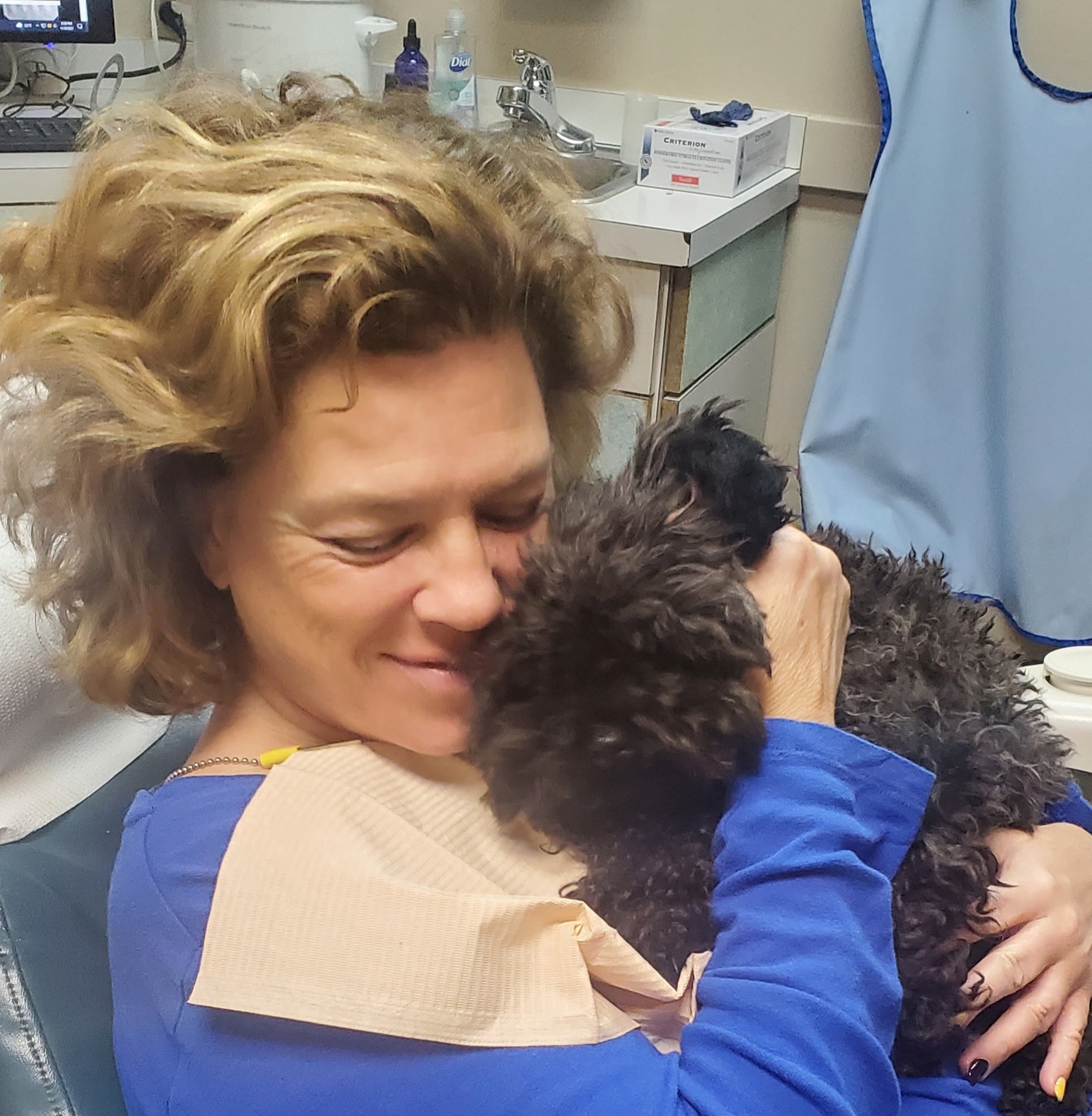
Dental patient being comforted by a dental therapy dog in Erie, PA

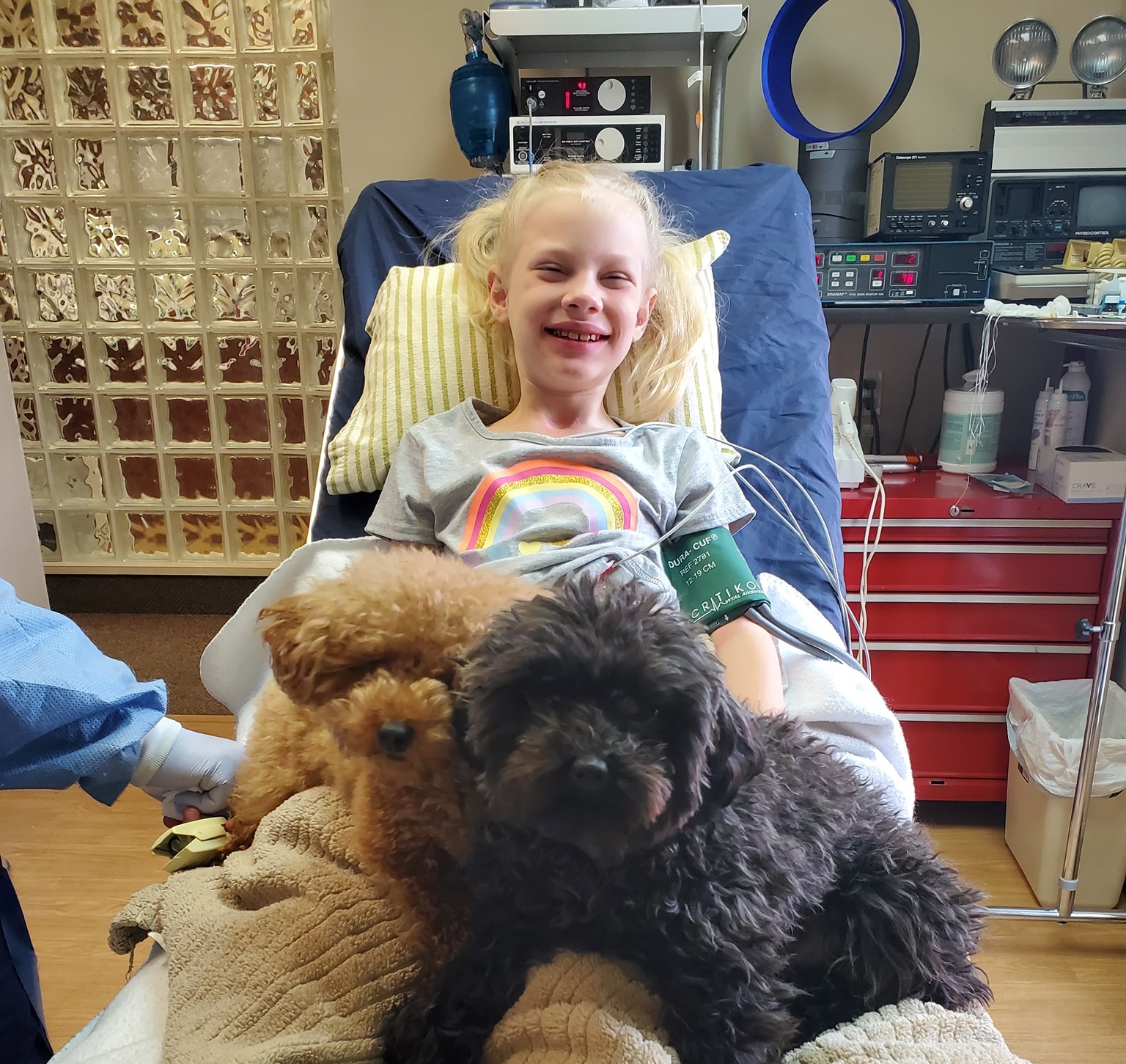
Child at dentist office with dental therapy dogs

How therapy dogs fit into a dental visit

Dental therapy dogs can be as involved as much or as little as a patient pleases; those with compromised immune systems, allergies, or canine phobias may not wish to come in contact with the dog at all. However, for the many that do welcome the distraction, here is how Dogtor Gizmo and Gadget can fit into your visit:

  • Before your appointment: Dogtor Gizmo will happily greet you and graciously accept pats, helping take the edge off with his cheerful demeanor.
  • During your appointment: Dogtor Gizmo can sit in your lap and snuggle with you as you receive your dental work.  
  • After your appointment: Glad it’s over? Dogtor Gizmo is too! And he's always so happy you stopped by to receive the dental treatment you needed.

When can I see Dogtor Gizmo and Gadget?

Realize the comforts of a certified dental therapy dog and the benefits of a healthy, radiant smile by booking an appointment with Dr. Mahoney. We're open any time Monday through Friday between 9 a.m. and 6 p.m. Dogtor Gizmo and his assistant Gadget are happy to make friends at the office any day of the week.

SEE THE DOGTOR