

Root Canal Procedure in Erie, PA

A root canal is one of the most common dental procedures. Millions of people have a root canal performed every single year. Although they are common, root canals can be a source of stress and anxiety for many patients, as they often come with a predisposition that root canals are painful. At Sleep Dentistry, our staff is experienced in performing root canal procedures. We provide a comfortable dental experience for those who may have dental phobias or anxieties and offer safe dental anesthesia

Your tooth pulp is guarded by layers of dentin, which is all completely covered by enamel. Tooth pulp is housed inside your mouth’s root canal and contains your blood vessels and nerves. In some cases, oral bacteria can infect your tooth pulp, leading to a variety of dental issues, one of which being abscesses (a buildup of pus caused by the infection). Once your tooth becomes infected, there’s a high possibility it may begin to decay. During a root canal procedure, your infected dental pulp and the abscess is removed, cleaned, and sealed with a dental crown.

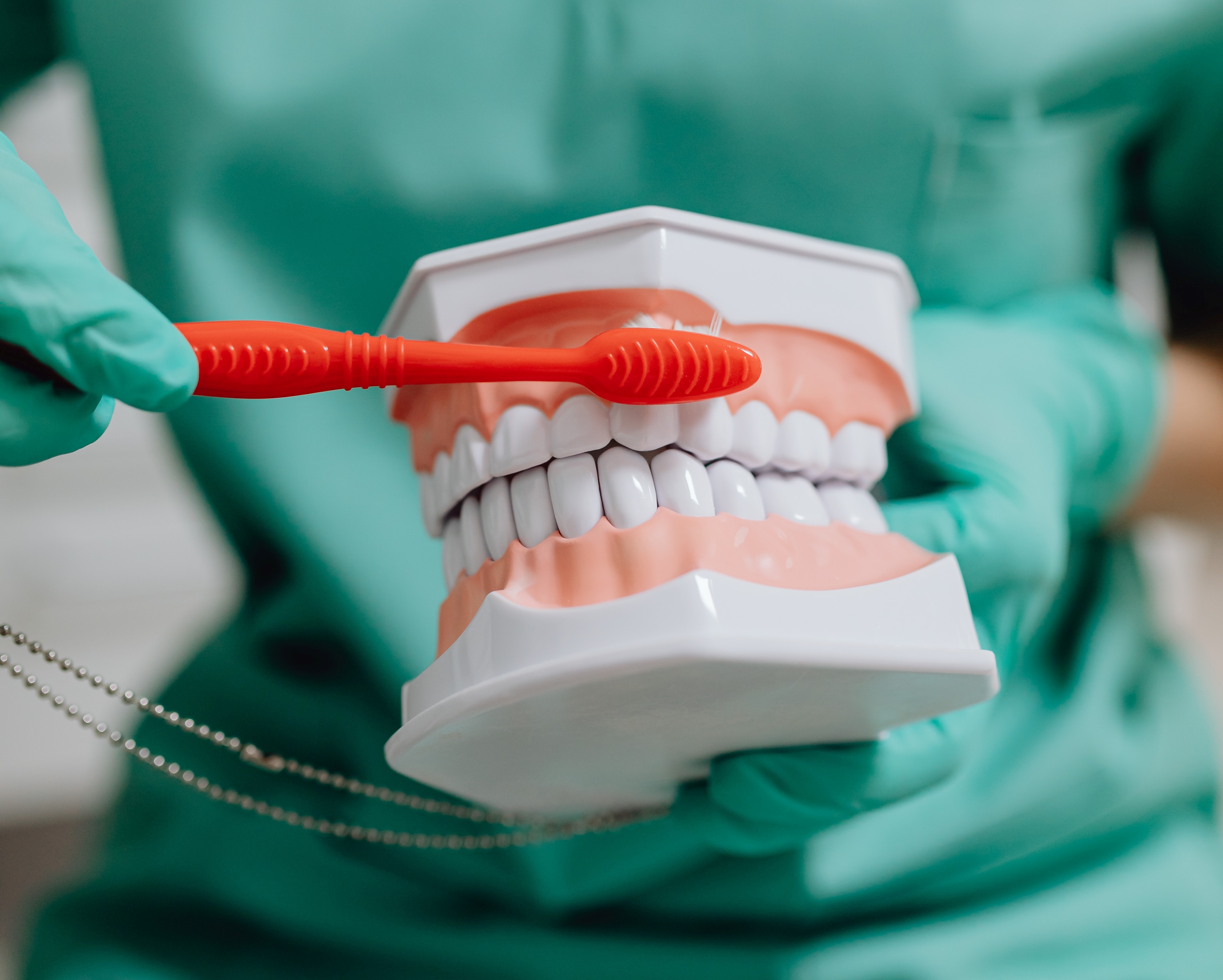
Dental hygienist describing a root canal procedure to Erie, PA patients

How Do You Know If You Need a Root Canal?

At Sleep Dentistry, we recommend that you come in for a general checkup if you’re experiencing any oral pain or discomfort. However, it’s also important to know the signs that could indicate tooth decay and require a possible root canal procedure. If you think you may need a root canal procedure, here are some main signs to look for:

  • Severe tooth pain and sensitivity while engaging in normal activities
  • Tooth or gum pain that persists for an extended period of time
  • Tooth darkening or discoloration
  • Noticeable chips or cracks on your tooth
  • Small, pimple-like bumps on your teeth

Although you may have some reservations about root canals because of the general idea that they are an extremely painful procedure, your oral health contributes to your overall health. It’s crucial to catch these signs before they progress to prevent any further damage to your teeth and gum health. With modern technology and local anesthesia, root canals aren’t any more painful than other common dental treatments.

View General FAQs Schedule an Appointment

Frequently Asked Questions

How long do root canals take?

It’s not uncommon for root canal procedures to only take 30 minutes, however, you can expect an appointment anywhere from 30 to 90 minutes depending on your specific dental procedure. Your entire root canal procedure will take about one or two appointments to complete.

What causes a root canal?

Root canals most commonly occur when your tooth has become infected and begins to decay. Your tooth pulp and nerves are then removed to prevent further damage to your teeth. You may also need a root canal if the nerves of your tooth have been harmed by your tooth having been chipped or cracked. When your tooth is chipped or cracked, that creates the possibility for bacteria to harm your tooth pulp.

Can an abscess come back after a root canal?

If your tooth’s infection has been completely treated and your root canal was performed with optimal dental hygiene, it’s unlikely for an abscess to return via the same tooth. If you have another infected tooth, it is possible that that additional tooth could develop an abscess.

What can I eat after a root canal?

After you’ve had a root canal procedure performed, you should treat it like any other dental restoration treatment. To keep your pain level down, avoid any crunchy or sticky foods, as that could irritate your mouth. You also should avoid any overly hot or cold food items and beverages, as your teeth will be sensitive after this procedure. As a rule of thumb, only consume soft foods that won’t irritate your teeth, such as yogurt, lukewarm soup, applesauce, juice, and eggs.

How long does a root canal take to heal?

Root canals can take a few days to a week to heal, which is a very small amount of time for a serious dental procedure. Be sure to follow your dentist’s recommendations for recovery, as failing to do so can extend your healing time.

Where To Find Us 

📍 Address: 3915 Caughey Rd, Erie, PA 16506
 
📞 Phone:  (814) 833-3505
 

Recent Posts

How It’s Done: Sedation Dentistry vs. Sleep Dentistry

Posted on October 30th, 2020 at 1:23 PM
How It’s Done: Sedation Dentistry vs. Sleep Dentistry

In previous blog posts, we’ve defined sleep dentistry as distinct from sedation dentistry, in that it refers to procedures performed under dental general anesthesia. While dental general anesthesia may sound the same as sedatives, they have drastically different effects when administered. Here's a breakdown of the difference between sedation dentistry and sleep dentistry inductions. 

Breaking Down Sedation

Dental sedation is not so absolute. Most patients retain some level of consciousness and they can maintain vital functions independently, although some higher cognitive functions like speech and memory might be impaired. Even with deeper sedation, it is still possible to rouse the patient, although it may require an especially strong stimulus to do so. Sedation can be administered in one of three ways:

  1. Inhaled sedation: Nitrous oxide (AKA “laughing gas”) is delivered via a nasal hood as you continue to exhale through the mouth. Nitrous oxide has several physiological effects — it blocks neurotransmitters that cause anxiety; stimulates norepinephrine production (dulling your body’s pain signals), and lights up the pathway for dopamine release (one of your “happy” brain chemicals). It has few adverse side effects, takes effect and wears off quickly, and dosages can be adjusted easily on the fly. 
  2. Oral sedation: The patient takes a pill an hour before the dental procedure, with the sedative effect ranging from mild to moderate depending on the dose. The medication you will be prescribed belongs to a class of drugs called benzodiazepines, which are used to treat anxiety and insomnia — most commonly Halcion (triazolam) or Valium (diazepam).
  3. Intravenous sedation: Sedatives are delivered directly into the bloodstream to quickly induce relaxation and/or drowsiness. You may be in a "twilight" state (a state of short-term amnesia and painlessness) or fall asleep completely during this process.

general anesthesia and sleep dentistry

Breaking Down General Anesthesia

Sleep dentistry, or general dental anesthesia, utilizes any combination of intravenous or inhaled medications. General anesthesia is a state of total unconsciousness; you cannot awaken from it until its effects are reversed or wear off, and involuntary processes like breathing are controlled by a certified anesthesiologist during the procedure. The medications used during sleep dentistry fall into three categories:

  1. Analgesics: These drugs either suppress or eliminate your body’s pain response.
  2. Amnesia-inducing: Result in temporary memory loss and/or unconsciousness.
  3. Muscle relaxants: Relaxes muscles of the windpipe for intubation; crucial for supplying oxygen during the procedure and protecting lungs from blood and fluids. 

Research into anesthetics is ongoing, but it is believed they target proteins in cell membranes that affect neurotransmission and communication. Carefully balancing these medications and avoiding dangerous interactions is the essential work of a certified dental anesthesiologist (such as Dr. Kevin Mahoney), who will also constantly monitor heart rate, blood pressure, body temperature, breathing, and fluids during the procedure. 

Although it may seem like a lot to juggle, not to worry! General anesthesia is extremely safe, with a 99.97% success rate. If you or a loved one could benefit from sleep dentistry, don't hesitate to contact our office and schedule an appointment. 

REQUEST AN APPOINTMENT