

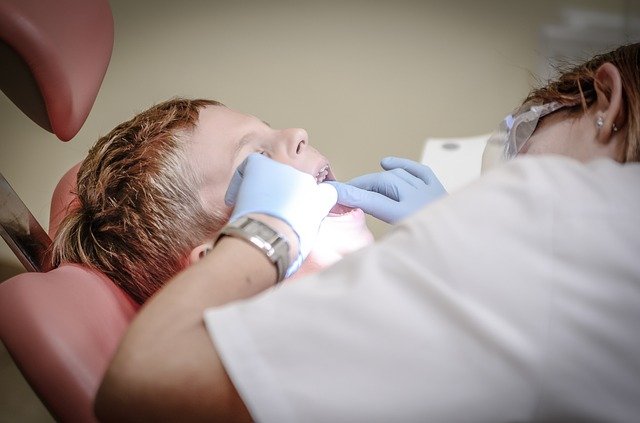
Tooth Removal in Erie, PA

At Sleep Dentistry Erie, our commitment to service is all about you. Your comfort is our top priority no matter what the reason is for your visit. Tooth removal is a necessary procedure that occurs when your oral health benefits by removing a tooth. With modern technology, tooth extraction has become a very simple, painless, and quick procedure. At Sleep Dentistry, our experienced team will be with you every step of the tooth removal process to ensure that you experience the utmost comfort.

Woman smiling after tooth removal and recovery

Reasons for Tooth Removal

Wisdom teeth growing in 

Wisdom teeth don’t come in until later in adolescence and adulthood, from around the ages of 17-21. Some people don’t have wisdom teeth, and others aren’t bothered by them when they do come in. However, they can lead to overcrowding in your mouth and may need to be removed so that you can maintain your smile.

Infected teeth

Infected teeth can occur from a bacterial infection or untreated cavity. This can lead to a buildup of pus that can form a tooth abscess or decay. If left untreated, the tooth abscess can spread to other parts of the mouth or areas of the body.

Tooth damage or breakage

When a tooth is chipped or broken, the structure of the tooth becomes compromised. This affects the function of your teeth. Broken teeth can make it hard to chew or swallow. Fractured teeth can be extremely painful and may need to be extracted.

Periodontal disease

Periodontal disease occurs when the gums of your mouth become infected, sometimes leading to gingivitis and bacterial infection. In cases of periodontal disease where teeth become badly infected, tooth extraction may prevent the infection from spreading. 

View FAQs Contact Us

Frequently Asked Questions

How is a tooth removal performed?

There are two ways a tooth extraction can be performed: simply or surgically. A simple tooth removal is usually over in a matter of minutes and requires only a local anesthetic to numb the extraction area and forceps to dislodge it. It can only be performed when there is sufficient tooth structure remaining above the gum line.

When there is tooth damage or fragmentation below the gum line, you’ll be scheduled for a surgical removal. A surgical tooth extraction requires pulling away the gums to access the tooth, where it’s removed whole or in sections. The patient is either under sedation or general anesthesia for the duration of the procedure.

What should I eat after a tooth removal?

You’re able to eat after your tooth removal procedure, however, you should only consume soft foods or non-alcoholic liquids. Around two weeks after a tooth extraction is typically when patients feel they can assume their normal eating habits.

Why should I get my wisdom teeth removed?

Wisdom teeth may need to be removed if they grow into your mouth and seem to eventually cause overcrowding or shifting in your mouth. This can disrupt your current smile and lead to other dental issues. This shifting of your teeth can also be painful for some people and a viable option to avoid that is to have your wisdom teeth removed. Dental X-rays will help determine the state of your wisdom teeth and if they need to be removed.

How are missing teeth replaced?

Missing teeth are replaced with dental bridges or dental implants. Dental bridges are a combination of abutments (supports mounted on existing teeth) and pontics (prosthetic teeth that “bridge” the gap created by missing teeth). Dental implants are anchored directly into the jawbone via titanium screws (the roots), closely mimicking natural teeth. They cost more and require more time to install than bridges, but tend to be a better long-term investment for adult non-smokers in good overall health.

How long does it take a tooth extraction to heal?

Tooth extractions will begin to heal immediately, however the healing process takes about a week to two weeks to be completed. This can vary from patient to patient but it’s wise to follow the recovery instructions provided by your dentist.

Where To Find Us 

📍 Address: 3915 Caughey Rd, Erie, PA 16506
 
📞 Phone:  (814) 833-3505
 

Recent Posts

A Rare Professional: Dental Anesthesiologist

Posted on April 12th, 2023 at 9:00 AM
A Rare Professional: Dental Anesthesiologist

Dental phobias are, unfortunately, very common. Every year, over 40 million Americans risk more severe health issues by delaying and evading dental treatment. For those suffering from dental anxiety, dental anesthesia can be the perfect solution. But despite how useful this practice is for those who fear the dentist, Dr. Kevin Mahoney is one of only approximately 300 dental anesthesiologists in the US. 

What is a dental anesthesiologist?

A dental anesthesiologist is a dentist who is qualified to administer general anesthesia. All dentists are trained in the administration of local and regional anesthetics (such as lidocaine), which totally numb pain signals near the injection site. With general anesthesia, however, the patient is rendered completely unconscious. They’ll usually require assistance keeping their airway open and will have no memory of the procedure after. 

General anesthesia can’t be administered by any dentist, however. A dental anesthesiologist is fully trained and board-approved to deliver dental anesthesia safely and effectively. 

Sedation dentistry vs. sleep dentistry

You may already be familiar with the dental practice of sedating patients with “laughing gas” (a common name for nitrous oxide), but this is a form of dental sedation, not dental anesthesia. What’s the difference between sedation dentistry and sleep dentistry, you might ask?

Dental sedation is commonly administered in the form of gas or a pill, and is overall weaker than anesthesia. This means that, while the patient will be calm and may even fall asleep during the procedure, they’re not fully unconscious. They can usually breathe without assistance, as well as respond to some verbal and physical cues. 

What does a dental anesthesiologist do? 

A dental anesthesiologist delivers general anesthesia through an IV line. During the procedure, they monitor the patient’s condition to ensure that the anesthesia is working correctly and that the patient is safe. Once the procedure is over, they monitor the patient until they’ve recovered enough from the anesthesia to be discharged. 

How to become a dental anesthesiologist

In order to become a dental anesthesiologist, a dentist must first be fully certified in dentistry. This means either earning the Doctor of Dental Surgery (DDS) or the Doctor of Dental Medicine (DDM) title at a dental school. Once they've received their degree, they need to complete a two-year residency program in dental anesthesiology. Finally, they must pass a board examination from a dental anesthesiology board, such as the American Society of Dental Anesthesiologists or the American Dental Board of Anesthesiology. 

Overall, the process usually takes about eight years. Now you understand why there are so few dental anesthesiologists! 

Does insurance cover dental anesthesia?

While it varies from plan to plan, insurance generally only covers dental anesthesia if it’s deemed a medical necessity. This means that, if you’re opting for it only because you have a phobia of dental work, your insurance may not cover it. However, if you suffer from a condition that makes sedation a necessity (such as epilepsy), if you’re undergoing a complicated procedure, or if using anesthesia would lower the overall cost of the procedure, they may make exceptions. 

Why visit a dental anesthesiologist?

There are several benefits to visiting a dental anesthesiologist. Being asleep during the dental procedure ensures a comfortable and pain-free experience, which is especially comforting for those who avoid the dentist due to a dental phobia. Sleep dentistry allows dentists to complete all possible dental work in one session, instead of having to divide the procedures across multiple appointments. This saves you time and anxiety. 

Dental anesthesiology in Erie, PA

If you’re one of the millions of Americans who put off going to the dentist each year, don’t worry. For years, Dr. Mahoney and the rest of the staff at Sleep Dentistry have delivered high-quality dental care to their patients. Don’t lose sleep over your teeth — schedule an appointment with Sleep Dentistry today. 

REQUEST APPOINTMENT