

Tooth Removal in Erie, PA

At Sleep Dentistry Erie, our commitment to service is all about you. Your comfort is our top priority no matter what the reason is for your visit. Tooth removal is a necessary procedure that occurs when your oral health benefits by removing a tooth. With modern technology, tooth extraction has become a very simple, painless, and quick procedure. At Sleep Dentistry, our experienced team will be with you every step of the tooth removal process to ensure that you experience the utmost comfort.

Woman smiling after tooth removal and recovery

Reasons for Tooth Removal

Wisdom teeth growing in 

Wisdom teeth don’t come in until later in adolescence and adulthood, from around the ages of 17-21. Some people don’t have wisdom teeth, and others aren’t bothered by them when they do come in. However, they can lead to overcrowding in your mouth and may need to be removed so that you can maintain your smile.

Infected teeth

Infected teeth can occur from a bacterial infection or untreated cavity. This can lead to a buildup of pus that can form a tooth abscess or decay. If left untreated, the tooth abscess can spread to other parts of the mouth or areas of the body.

Tooth damage or breakage

When a tooth is chipped or broken, the structure of the tooth becomes compromised. This affects the function of your teeth. Broken teeth can make it hard to chew or swallow. Fractured teeth can be extremely painful and may need to be extracted.

Periodontal disease

Periodontal disease occurs when the gums of your mouth become infected, sometimes leading to gingivitis and bacterial infection. In cases of periodontal disease where teeth become badly infected, tooth extraction may prevent the infection from spreading. 

View FAQs Contact Us

Frequently Asked Questions

How is a tooth removal performed?

There are two ways a tooth extraction can be performed: simply or surgically. A simple tooth removal is usually over in a matter of minutes and requires only a local anesthetic to numb the extraction area and forceps to dislodge it. It can only be performed when there is sufficient tooth structure remaining above the gum line.

When there is tooth damage or fragmentation below the gum line, you’ll be scheduled for a surgical removal. A surgical tooth extraction requires pulling away the gums to access the tooth, where it’s removed whole or in sections. The patient is either under sedation or general anesthesia for the duration of the procedure.

What should I eat after a tooth removal?

You’re able to eat after your tooth removal procedure, however, you should only consume soft foods or non-alcoholic liquids. Around two weeks after a tooth extraction is typically when patients feel they can assume their normal eating habits.

Why should I get my wisdom teeth removed?

Wisdom teeth may need to be removed if they grow into your mouth and seem to eventually cause overcrowding or shifting in your mouth. This can disrupt your current smile and lead to other dental issues. This shifting of your teeth can also be painful for some people and a viable option to avoid that is to have your wisdom teeth removed. Dental X-rays will help determine the state of your wisdom teeth and if they need to be removed.

How are missing teeth replaced?

Missing teeth are replaced with dental bridges or dental implants. Dental bridges are a combination of abutments (supports mounted on existing teeth) and pontics (prosthetic teeth that “bridge” the gap created by missing teeth). Dental implants are anchored directly into the jawbone via titanium screws (the roots), closely mimicking natural teeth. They cost more and require more time to install than bridges, but tend to be a better long-term investment for adult non-smokers in good overall health.

How long does it take a tooth extraction to heal?

Tooth extractions will begin to heal immediately, however the healing process takes about a week to two weeks to be completed. This can vary from patient to patient but it’s wise to follow the recovery instructions provided by your dentist.

Where To Find Us 

📍 Address: 3915 Caughey Rd, Erie, PA 16506
 
📞 Phone:  (814) 833-3505
 

Recent Posts

Activated charcoal teeth whitening: what you should know

Posted on March 5th, 2019 at 9:18 AM
Activated charcoal teeth whitening: what you should know

As we scroll through our social media feeds, we can see there are plenty of new wellness trends that use activated charcoal, like facial scrubs, masks, and deep conditioning treatments for healthier hair. But have you noticed the activated charcoal toothpastes? These products are gaining popularity as people look for new ways of whitening teeth, and it's hard to ignore those selfies with the goofy blackened mouth. But is this type of teeth whitening treatment safe to use? With so many methods for whitening teeth trending online, it’s important to know the facts. Here’s what you should know before trying activated charcoal toothpaste!

Introduction to Tooth Whitening

Tooth whitening, also known as tooth bleaching, has become one of the most sought-after cosmetic dentistry procedures for those looking to achieve a brighter, more confident smile. This process works by using whitening treatments (often containing hydrogen peroxide or carbamide peroxide) to break down stains and discoloration on the tooth enamel.

With the growing popularity of whiter teeth, there are now countless tooth whitening products and methods available, from professional in-office whitening to over-the-counter kits and natural teeth whitening remedies like baking soda. While these options can help remove stains and lighten the natural shade of your teeth, it’s important to be aware of potential side effects, such as tooth sensitivity and gum irritation. Understanding the differences between these whitening treatments and how they interact with your tooth enamel can help you choose the safest, most effective way to whiten your teeth and maintain your oral health.

What is Activated Charcoal?

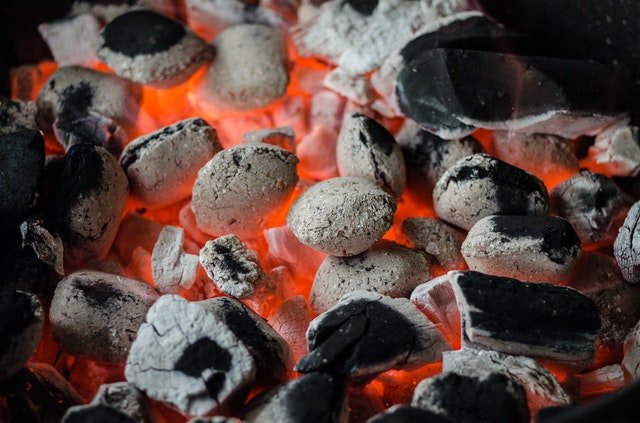
Charcoal is made of coal, wood, and other materials. When heated with a gas, it becomes active and porous, which means it’s able to absorb substances. It helps trap and get rid of unwanted toxins and chemicals in the body. This process can involve chemical degradation, where activated charcoal helps break down certain substances through chemical reactions. It’s very well known as a detoxifying agent.

Teeth Whitening Cosmetic Dentistry Erie, PA

Health Benefits of Activated Charcoal

The use of activated charcoal dates back several centuries as a remedy for numerous ailments. To this day, it is purported to possess many benefits (not all of them verified by science), including:

  1. Emergency poison control (due to its ability to bind to a variety of drugs and toxins)

  2. Kidney support (again, binding to toxins in the body, thus reducing the kidney’s filtration workload)

  3. Odor control

  4. Controlling cholesterol levels

  5. Treating bloating, gas, and diarrhea

  6. Filtering water

  7. Dermatological treatments

  8. Tooth whitening (sometimes used to address tooth stains by removing surface discolorations)

Research published in BMC Oral Health has explored the effects of activated charcoal on oral tissues and its potential for removing tooth stains.

Does Activated Charcoal Teeth Whitening Work?

Activated charcoal has become a trendy ingredient in tooth whitening products, from toothpastes to powders. Thanks to its highly porous nature, activated charcoal can adsorb surface stains and toxins from the tooth surface, which may help you achieve a whiter smile. However, the effectiveness of activated charcoal for teeth whitening is still up for debate.

While some people report that it helps remove stains and brighten their teeth, dental research has yet to confirm its long-term benefits or safety. Some studies suggest that the abrasive texture of activated charcoal could wear down tooth enamel over time, potentially leading to increased tooth sensitivity. If you’re considering using activated charcoal as part of your whitening process, it’s important to use these products as directed and talk to your dentist to make sure you’re protecting your enamel and overall oral health.

The Best Teeth Whitening Products and Treatments

You’ll always get better results if you go to your dentist for cosmetic dentistry treatments. If you want a long-lasting, bright smile, then contact Dr. Kevin Mahoney and his team. They’ll give your smile a sparkle it never had before! 

LEARN MORE