


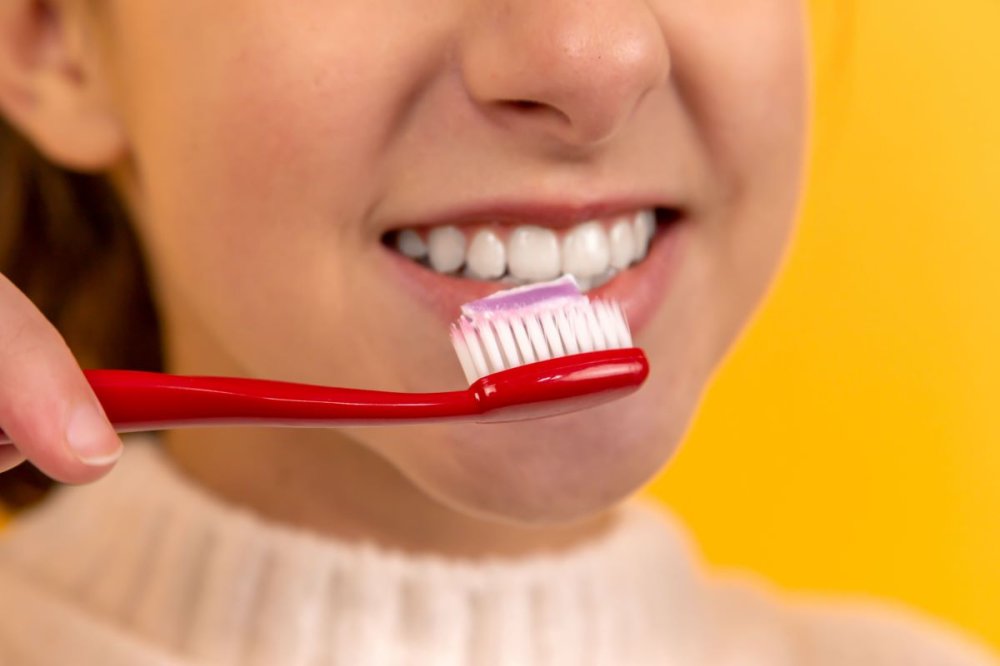
Most adults are aware of the importance of good oral hygiene, including regular brushing between meals. And yet, despite this, we still see problems with tooth decay and gum disease even among those who adhere to a rigorous oral health regimen. Most often the issue lies in the regimen itself. Plaque can hide anywhere and everywhere on tooth surfaces, so proper brushing techniques are essential as we get older. If you want a little reminder or some tidbits you never knew, then go ahead and grab some toothpaste and your toothbrush. We can help you start brushing up on brushing techniques!
Choosing a good toothbrush
Not every toothbrush is the same. Some are just built differently, like manual versus electric, or those with a firm handle instead of flexible. The ones you used as a child will differ from what you use as an adult. And to know what toothbrush works best for you as an adult, you’ll need to understand a few things besides your oral health and habits. Here are a few things to pay attention to as you decide.
Manual vs Electric
Electric or battery-powered toothbrushes add convenience to the process. Some perform the correct circular motions without you needing to make the effort. All that’s left for you to do is to guide the toothbrush to the right areas. Others can be set with timers ensuring that the user does indeed brush for the recommended two minutes!
However, there are benefits to manual toothbrushes as well: price, availability, and self-discipline. Children may marvel at the wonders of electric toothbrushes, but not learning proper techniques before adulthood could prove to be problematic. The cheaper price means this type is easier to replace, plus there aren’t any charging requirements.
Big or Small
The size of your desired toothbrush needs to be comfortable enough to hold, but long enough to reach your molars. Most oral experts suggest a toothbrush with a head that’s one inch or half an inch wide. Angled toothbrushes can also help with those hard-to-reach places.
Firm vs Flexible Handles
Easier handling leads to easier maneuvering around your mouth. as you guide the toothbrush over every surface.
Bristle Hardness
Toothbrushes don’t just look different at a glance, some contain bristles that are softer than others. Softness can help avoid damage to the gums and teeth, while the harder bristles ensure the removal of food and bacteria. Bristle texture varies between extra soft, soft, medium, and hard. Bristle shape differs too, with some being rounded and others straight.
ADA Acceptance Seal
The American Dental Association offers its seal of approval on toothbrush products that demonstrate efficacy and safety. The ADA grants acceptance seals for five-year periods and only when their requirements are met.
Toothbrushing methods
When you think of brushing your teeth, what comes to mind besides circular strokes and a two-minute time frame? Brushing your teeth is more nuanced than you might think — so much so that many toothbrushing methods have a name.
Bass brushing technique
This technique, also known as the sulcular technique, involves holding the toothbrush parallel to your teeth and under the gumline. Gently brush in a circular motion between fifteen and twenty times over three teeth at a time. Move to the next area and repeat. This motion should be done over the frontside and backside of your teeth, including the surfaces of your molars. Don’t forget your tongue too!
A drawback to this technique is the level of dexterity required to perform correctly. Children and adults who are handicapped will have trouble perfecting this one because of the time and precision demand.
Stillman brushing technique
The Stillman brushing technique is similar to the previous one, but circular motions are replaced with horizontal motions. In other words, instead of round-and-round, the strokes are back and forth like rowing.
The intricacies of this technique, much like the first, mean anyone without sufficient dexterity cannot perform it well.
Charters brushing technique
This technique differs from the previous two and involves brushing the teeth from a different angle. Angle the brush at 45 degrees so that the bristles are touching the gum line. The bristles should be pointing down away from the root. Move the brush between fifteen and twenty counts, either moving back and forth or in circular motions.
This technique could come as a recommendation for those with special circumstances like exposed roots, gaps between your teeth, and more. While a high level of dexterity is needed to perform well, this type of brushing does not remove bacteria from the gumline.
Fones brushing technique
The Fones brushing technique is also called the circular brushing technique, it’s the one we were all taught as kids. This method requires the child to maneuver the bristles gently over their teeth in circular motions about four or five times. They do this over all of their teeth - however many there are - getting to all of them before ending their two-minute time frame.
The technique is recommended for children and those who are handicapped in some way. One of the drawbacks is that the interdental areas are not as thoroughly cleaned, and as with any method, excessive brushing can cause damage to the gum line.
What is the best way to brush teeth properly?
Two minutes may be the recommended time we brush our teeth, but two minutes are void without proper technique. A 2018 study published by the National Library of Medicine ruled that the Bass brushing technique was most efficient at reducing plaque and gingivitis. However, this is one study, and as with any researched topic, results can change with time. Each technique can be useful and will largely depend on your preference and what you’re capable of doing. Each technique can also be harmful if you brush excessively, or are using the wrong type of brush. Experiment, see what works best, and perhaps most importantly, be sure to consult with your dentist.
Keep your teeth clean at Sleep Dentistry Erie
As hard as we may strive for perfect technique, none of us are perfect. Some degree of plaque and tartar buildup is inevitable, despite our best efforts. However, with regularly scheduled professional cleanings at your dentist’s office, you can be sure to stay ahead of both tooth decay and gum disease.
Schedule your next appointment here at Sleep Dentistry Erie and let us help you optimize your oral health!