


Tooth Removal in Erie, PA

At Sleep Dentistry Erie, our commitment to service is all about you. Your comfort is our top priority no matter what the reason is for your visit. Tooth removal is a necessary procedure that occurs when your oral health benefits by removing a tooth. With modern technology, tooth extraction has become a very simple, painless, and quick procedure. At Sleep Dentistry, our experienced team will be with you every step of the tooth removal process to ensure that you experience the utmost comfort.

Woman smiling after tooth removal and recovery

Reasons for Tooth Removal

Wisdom teeth growing in 

Wisdom teeth don’t come in until later in adolescence and adulthood, from around the ages of 17-21. Some people don’t have wisdom teeth, and others aren’t bothered by them when they do come in. However, they can lead to overcrowding in your mouth and may need to be removed so that you can maintain your smile.

Infected teeth

Infected teeth can occur from a bacterial infection or untreated cavity. This can lead to a buildup of pus that can form a tooth abscess or decay. If left untreated, the tooth abscess can spread to other parts of the mouth or areas of the body.

Tooth damage or breakage

When a tooth is chipped or broken, the structure of the tooth becomes compromised. This affects the function of your teeth. Broken teeth can make it hard to chew or swallow. Fractured teeth can be extremely painful and may need to be extracted.

Periodontal disease

Periodontal disease occurs when the gums of your mouth become infected, sometimes leading to gingivitis and bacterial infection. In cases of periodontal disease where teeth become badly infected, tooth extraction may prevent the infection from spreading. 

View FAQs Contact Us

Frequently Asked Questions

How is a tooth removal performed?

There are two ways a tooth extraction can be performed: simply or surgically. A simple tooth removal is usually over in a matter of minutes and requires only a local anesthetic to numb the extraction area and forceps to dislodge it. It can only be performed when there is sufficient tooth structure remaining above the gum line.

When there is tooth damage or fragmentation below the gum line, you’ll be scheduled for a surgical removal. A surgical tooth extraction requires pulling away the gums to access the tooth, where it’s removed whole or in sections. The patient is either under sedation or general anesthesia for the duration of the procedure.

What should I eat after a tooth removal?

You’re able to eat after your tooth removal procedure, however, you should only consume soft foods or non-alcoholic liquids. Around two weeks after a tooth extraction is typically when patients feel they can assume their normal eating habits.

Why should I get my wisdom teeth removed?

Wisdom teeth may need to be removed if they grow into your mouth and seem to eventually cause overcrowding or shifting in your mouth. This can disrupt your current smile and lead to other dental issues. This shifting of your teeth can also be painful for some people and a viable option to avoid that is to have your wisdom teeth removed. Dental X-rays will help determine the state of your wisdom teeth and if they need to be removed.

How are missing teeth replaced?

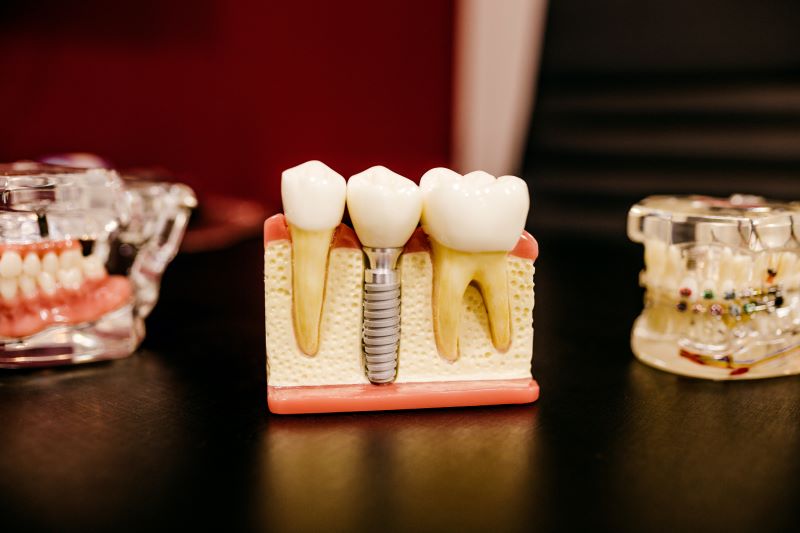
Missing teeth are replaced with dental bridges or dental implants. Dental bridges are a combination of abutments (supports mounted on existing teeth) and pontics (prosthetic teeth that “bridge” the gap created by missing teeth). Dental implants are anchored directly into the jawbone via titanium screws (the roots), closely mimicking natural teeth. They cost more and require more time to install than bridges, but tend to be a better long-term investment for adult non-smokers in good overall health.

How long does it take a tooth extraction to heal?

Tooth extractions will begin to heal immediately, however the healing process takes about a week to two weeks to be completed. This can vary from patient to patient but it’s wise to follow the recovery instructions provided by your dentist.

Where To Find Us 

📍 Address: 3915 Caughey Rd, Erie, PA 16506
 
📞 Phone:  (814) 833-3505
 

Recent Posts

Dental Restoration Types: Direct vs. Indirect

Posted on November 18th, 2020 at 9:53 AM
Dental Restoration Types: Direct vs. Indirect

What is dental restoration?

Your teeth can suffer structural loss for several reasons, whether it’s due to decay or external trauma. Whatever the case may be, direct and indirect dental restorations are treatments that restore the look and integrity of teeth. Both serve the same purpose but do so using different approaches.

Let's explore the different types of dental restorations at length.

Direct dental restorations (fillings)

Direct dental restorations involve stuffing the tooth with a soft filling, which sets and hardens, thereby restoring the teeth. Fillings are most commonly composed of silver amalgam or tooth-colored composite synthetic resin.

The advantage of this type of dental restoration is that it is not very time-consuming. It only takes one visit to the dentist to complete the whole process, and all of the work occurs within the mouth. Whether a filling is a viable restoration option depends on the severity of the tooth decay and its location.

smiling woman autumn

Indirect dental restoration

Indirect dental restorations usually require more than one visit to the dentist and are far more complex than direct dental restorations. The reason they are called “indirect” is that all or part of the restoration may be fabricated in a lab, rather than within the mouth itself.

During the initial visit, impressions are taken and your dentist may complete some initial site prep. Temporary dental restorations may be applied to ensure there are no further damages to the teeth as the more permanent solution is being worked on. Once the dental restoration is done, it is cemented in the patient's mouth using a bonding paste during a follow-up visit.

Thanks to technological advances, indirect restorations can sometimes be completed in a single visit through computer-aided drafting and 3D modeling applications.

Crowns

In situations where the loss of tooth structure is too extensive to be patched with a filling, crowns provide your teeth with a replacement “cap” that is a replica of its original size and shape. Crowns are fused to the intact tooth structure with a powerful bonding agent.

Bridges 

Bridges cover a gap created as a result of one or more missing teeth. They consist of one or more false teeth (pontics) supported by abutments in the form of existing teeth or dental implants.

Implants 

Dental implants are crowns anchored into the jaw bone with a titanium screw. They function essentially like brand-new teeth.

Dentures

Dentures are prosthetic devices and are a combination of acrylic resin and metal attachments. There are two types, complete and partial. An individual can use full dentures when all the teeth are missing. On the other hand, partial or half dentures are used when an individual has some of his natural teeth remaining. 
Which dental restoration type is suitable for me?

Direct restorations happen when the natural teeth of the patient are still healthy and strong enough to remain. However, to make filling possible, a dentist might scrape off some part of it to create room.

On the other hand, indirect restoration is necessary when external trauma or advanced decay has resulted in tooth loss. They involve a man-made dental solution to cover missing or damaged teeth.

In some cases, a patient may require a combination of both direct and indirect restoration treatments.

Preventive Dental Care with Sleep Dentistry Erie

If you haven't gone for a dental checkup for a while, now is the best time to do so! Regular checkups help detect conditions before they escalate, helping to reduce or eliminate the need for dental restorations in the first place. Play for keeps with Dr. Mahoney and his dedicated team of dental professionals! 

REQUEST AN APPOINTMENT