

Tooth Removal in Erie, PA

At Sleep Dentistry Erie, our commitment to service is all about you. Your comfort is our top priority no matter what the reason is for your visit. Tooth removal is a necessary procedure that occurs when your oral health benefits by removing a tooth. With modern technology, tooth extraction has become a very simple, painless, and quick procedure. At Sleep Dentistry, our experienced team will be with you every step of the tooth removal process to ensure that you experience the utmost comfort.

Woman smiling after tooth removal and recovery

Reasons for Tooth Removal

Wisdom teeth growing in 

Wisdom teeth don’t come in until later in adolescence and adulthood, from around the ages of 17-21. Some people don’t have wisdom teeth, and others aren’t bothered by them when they do come in. However, they can lead to overcrowding in your mouth and may need to be removed so that you can maintain your smile.

Infected teeth

Infected teeth can occur from a bacterial infection or untreated cavity. This can lead to a buildup of pus that can form a tooth abscess or decay. If left untreated, the tooth abscess can spread to other parts of the mouth or areas of the body.

Tooth damage or breakage

When a tooth is chipped or broken, the structure of the tooth becomes compromised. This affects the function of your teeth. Broken teeth can make it hard to chew or swallow. Fractured teeth can be extremely painful and may need to be extracted.

Periodontal disease

Periodontal disease occurs when the gums of your mouth become infected, sometimes leading to gingivitis and bacterial infection. In cases of periodontal disease where teeth become badly infected, tooth extraction may prevent the infection from spreading. 

View FAQs Contact Us

Frequently Asked Questions

How is a tooth removal performed?

There are two ways a tooth extraction can be performed: simply or surgically. A simple tooth removal is usually over in a matter of minutes and requires only a local anesthetic to numb the extraction area and forceps to dislodge it. It can only be performed when there is sufficient tooth structure remaining above the gum line.

When there is tooth damage or fragmentation below the gum line, you’ll be scheduled for a surgical removal. A surgical tooth extraction requires pulling away the gums to access the tooth, where it’s removed whole or in sections. The patient is either under sedation or general anesthesia for the duration of the procedure.

What should I eat after a tooth removal?

You’re able to eat after your tooth removal procedure, however, you should only consume soft foods or non-alcoholic liquids. Around two weeks after a tooth extraction is typically when patients feel they can assume their normal eating habits.

Why should I get my wisdom teeth removed?

Wisdom teeth may need to be removed if they grow into your mouth and seem to eventually cause overcrowding or shifting in your mouth. This can disrupt your current smile and lead to other dental issues. This shifting of your teeth can also be painful for some people and a viable option to avoid that is to have your wisdom teeth removed. Dental X-rays will help determine the state of your wisdom teeth and if they need to be removed.

How are missing teeth replaced?

Missing teeth are replaced with dental bridges or dental implants. Dental bridges are a combination of abutments (supports mounted on existing teeth) and pontics (prosthetic teeth that “bridge” the gap created by missing teeth). Dental implants are anchored directly into the jawbone via titanium screws (the roots), closely mimicking natural teeth. They cost more and require more time to install than bridges, but tend to be a better long-term investment for adult non-smokers in good overall health.

How long does it take a tooth extraction to heal?

Tooth extractions will begin to heal immediately, however the healing process takes about a week to two weeks to be completed. This can vary from patient to patient but it’s wise to follow the recovery instructions provided by your dentist.

Where To Find Us 

📍 Address: 3915 Caughey Rd, Erie, PA 16506
 
📞 Phone:  (814) 833-3505
 

Recent Posts

The Benefits of Dental Therapy Dogs (featuring Dogtor Gizmo)

Posted on February 20th, 2020 at 5:18 PM
The Benefits of Dental Therapy Dogs (featuring Dogtor Gizmo)

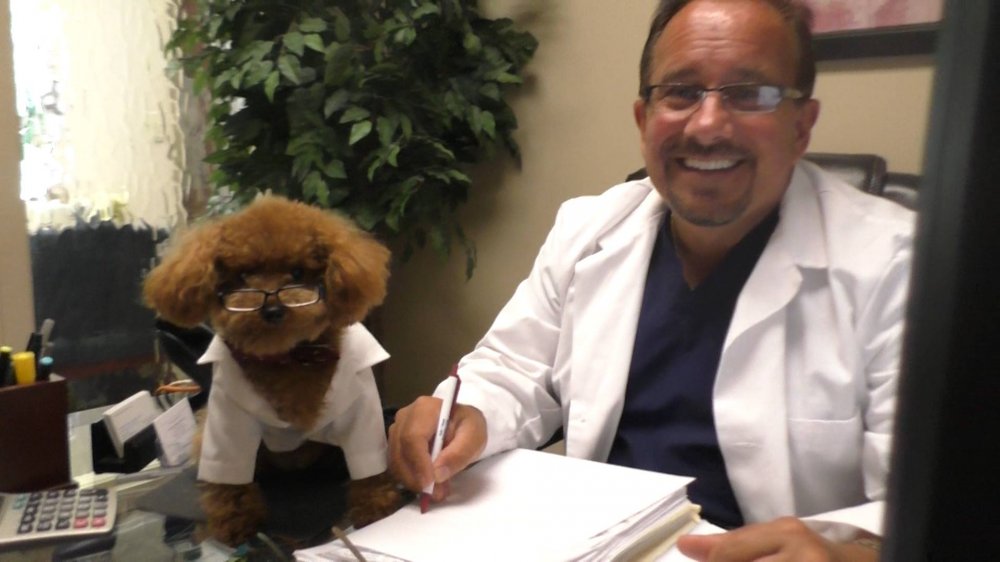
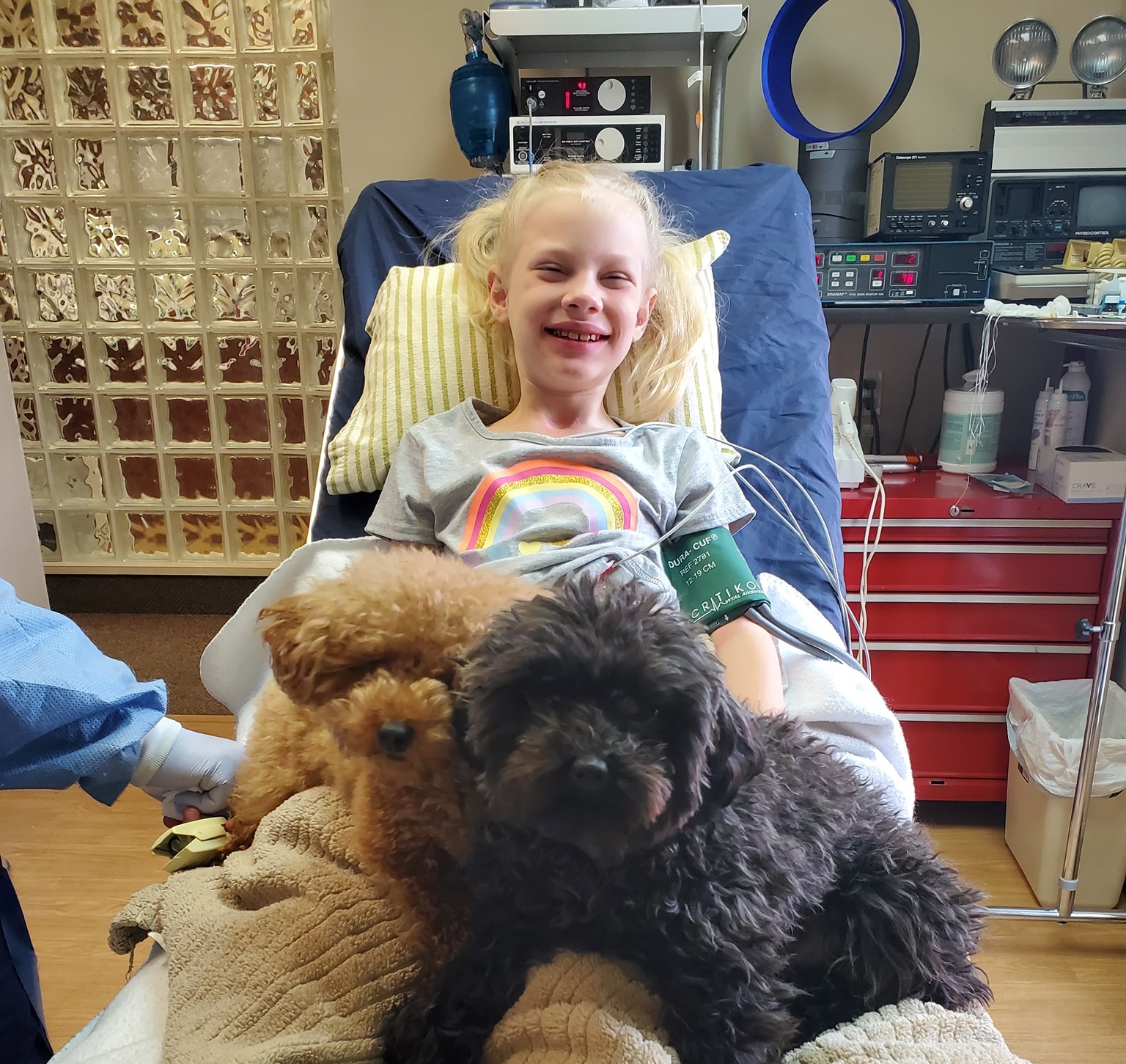
If you’ve visited the Sleep Dentistry office in the past few years, you may have met Dr. Kevin Mahoney’s furry, friendly assistants, Dogtor Gizmo and his brother Gadget. If you’re unfamiliar, you may be wondering what the tiny toy poodles are doing in a dentist’s office. Dogtor Gizmo and Gadget aren’t around just for show — dental therapy dogs put in serious time working and bonding with patients, particularly those suffering from a dental phobia or anxiety. As research supporting the benefits of therapy dogs continues to grow, more dental professionals are officially adding these comforting canines to their staff.

What is a dental therapy dog?

Dental therapy dogs undergo intensive training for obedience, temperament, and compassion. They are on-site for part or all of a dental practice’s office hours to provide emotional support for patients with dental anxiety. They help calm patients and make the overall experience more pleasant with wagging tails and loving hearts. Dogtor Gizmo has been a valuable member of Dr. Mahoney’s staff for nearly three years now and has made many friends both at the practice and throughout the community, volunteering his free time at hospitals and nursing homes to lift the spirits of children and seniors in need of companionship. 

How dental therapy dogs provide comfort

Dental therapy dogs, and therapy dogs in general, have been shown to provide the following benefits:

  • Decreased blood pressure
  • Lowered anxiety and stress
  • Increased social interaction
  • Enhanced mood and sense of happiness

A 2015 study conducted at Japan’s Azabu University revealed elevated oxytocin levels between canines and humans who gazed into one another’s eyes — oxytocin is the same hormone associated with bonding between mothers and infants. It’s no wonder so many patients feel more at ease with a therapy dog in the room. They are non-judgmental and reinforce feelings of being with family or at home, comfortability, and control. As we discussed in our previous blog post, feeling a lack of control is the biggest obstacle many people face in overcoming dental anxiety.
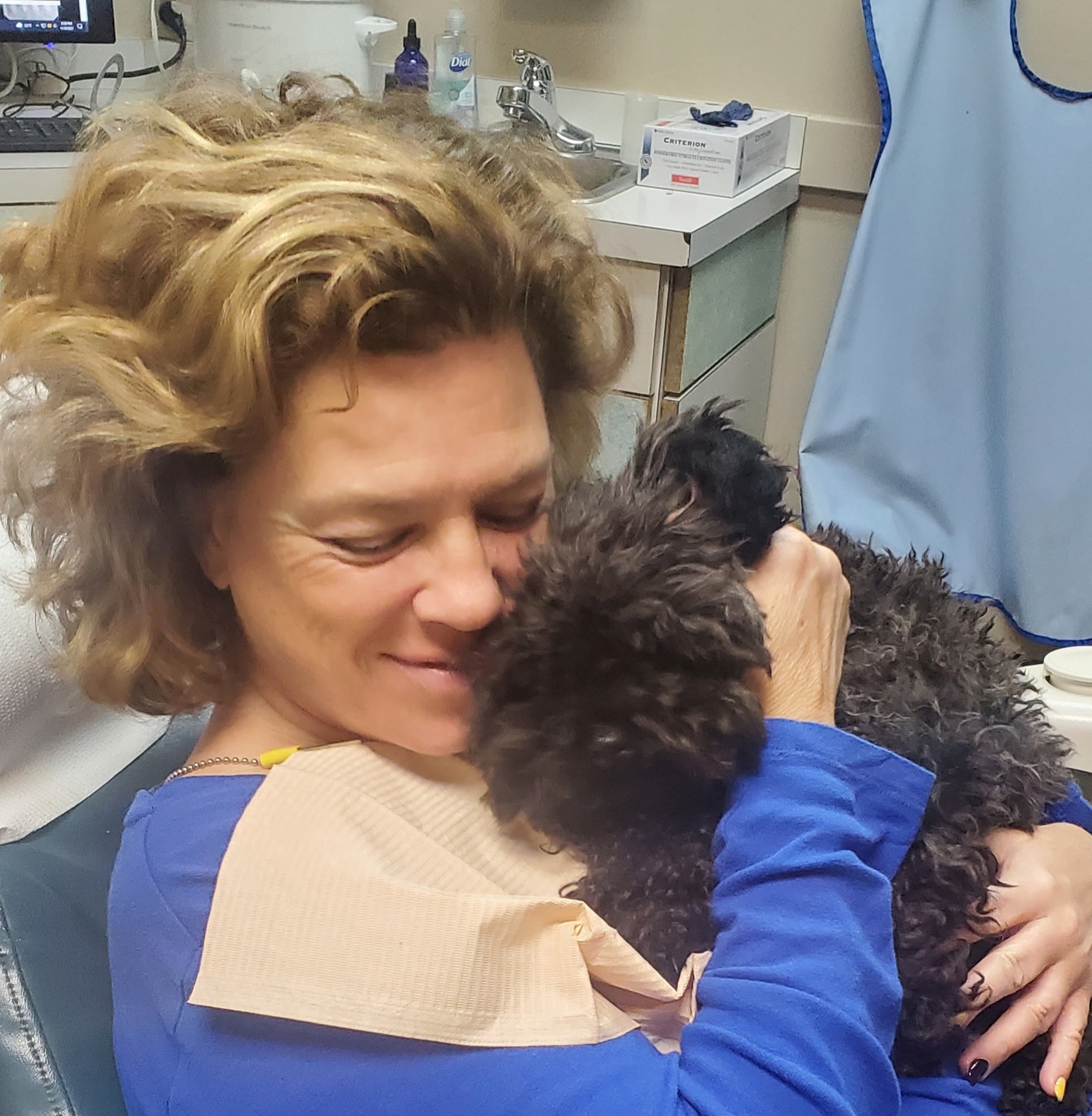
Dental patient being comforted by a dental therapy dog in Erie, PA

Child at dentist office with dental therapy dogs

How therapy dogs fit into a dental visit

Dental therapy dogs can be as involved as much or as little as a patient pleases; those with compromised immune systems, allergies, or canine phobias may not wish to come in contact with the dog at all. However, for the many that do welcome the distraction, here is how Dogtor Gizmo and Gadget can fit into your visit:

  • Before your appointment: Dogtor Gizmo will happily greet you and graciously accept pats, helping take the edge off with his cheerful demeanor.
  • During your appointment: Dogtor Gizmo can sit in your lap and snuggle with you as you receive your dental work.  
  • After your appointment: Glad it’s over? Dogtor Gizmo is too! And he's always so happy you stopped by to receive the dental treatment you needed.

When can I see Dogtor Gizmo and Gadget?

Realize the comforts of a certified dental therapy dog and the benefits of a healthy, radiant smile by booking an appointment with Dr. Mahoney. We're open any time Monday through Friday between 9 a.m. and 6 p.m. Dogtor Gizmo and his assistant Gadget are happy to make friends at the office any day of the week.

SEE THE DOGTOR