

Tooth Removal in Erie, PA

At Sleep Dentistry Erie, our commitment to service is all about you. Your comfort is our top priority no matter what the reason is for your visit. Tooth removal is a necessary procedure that occurs when your oral health benefits by removing a tooth. With modern technology, tooth extraction has become a very simple, painless, and quick procedure. At Sleep Dentistry, our experienced team will be with you every step of the tooth removal process to ensure that you experience the utmost comfort.

Woman smiling after tooth removal and recovery

Reasons for Tooth Removal

Wisdom teeth growing in 

Wisdom teeth don’t come in until later in adolescence and adulthood, from around the ages of 17-21. Some people don’t have wisdom teeth, and others aren’t bothered by them when they do come in. However, they can lead to overcrowding in your mouth and may need to be removed so that you can maintain your smile.

Infected teeth

Infected teeth can occur from a bacterial infection or untreated cavity. This can lead to a buildup of pus that can form a tooth abscess or decay. If left untreated, the tooth abscess can spread to other parts of the mouth or areas of the body.

Tooth damage or breakage

When a tooth is chipped or broken, the structure of the tooth becomes compromised. This affects the function of your teeth. Broken teeth can make it hard to chew or swallow. Fractured teeth can be extremely painful and may need to be extracted.

Periodontal disease

Periodontal disease occurs when the gums of your mouth become infected, sometimes leading to gingivitis and bacterial infection. In cases of periodontal disease where teeth become badly infected, tooth extraction may prevent the infection from spreading. 

View FAQs Contact Us

Frequently Asked Questions

How is a tooth removal performed?

There are two ways a tooth extraction can be performed: simply or surgically. A simple tooth removal is usually over in a matter of minutes and requires only a local anesthetic to numb the extraction area and forceps to dislodge it. It can only be performed when there is sufficient tooth structure remaining above the gum line.

When there is tooth damage or fragmentation below the gum line, you’ll be scheduled for a surgical removal. A surgical tooth extraction requires pulling away the gums to access the tooth, where it’s removed whole or in sections. The patient is either under sedation or general anesthesia for the duration of the procedure.

What should I eat after a tooth removal?

You’re able to eat after your tooth removal procedure, however, you should only consume soft foods or non-alcoholic liquids. Around two weeks after a tooth extraction is typically when patients feel they can assume their normal eating habits.

Why should I get my wisdom teeth removed?

Wisdom teeth may need to be removed if they grow into your mouth and seem to eventually cause overcrowding or shifting in your mouth. This can disrupt your current smile and lead to other dental issues. This shifting of your teeth can also be painful for some people and a viable option to avoid that is to have your wisdom teeth removed. Dental X-rays will help determine the state of your wisdom teeth and if they need to be removed.

How are missing teeth replaced?

Missing teeth are replaced with dental bridges or dental implants. Dental bridges are a combination of abutments (supports mounted on existing teeth) and pontics (prosthetic teeth that “bridge” the gap created by missing teeth). Dental implants are anchored directly into the jawbone via titanium screws (the roots), closely mimicking natural teeth. They cost more and require more time to install than bridges, but tend to be a better long-term investment for adult non-smokers in good overall health.

How long does it take a tooth extraction to heal?

Tooth extractions will begin to heal immediately, however the healing process takes about a week to two weeks to be completed. This can vary from patient to patient but it’s wise to follow the recovery instructions provided by your dentist.

Where To Find Us 

📍 Address: 3915 Caughey Rd, Erie, PA 16506
 
📞 Phone:  (814) 833-3505
 

Recent Posts

What To Do About Sudden Tooth Pain

Posted on September 8th, 2023 at 11:39 AM
What To Do About Sudden Tooth Pain

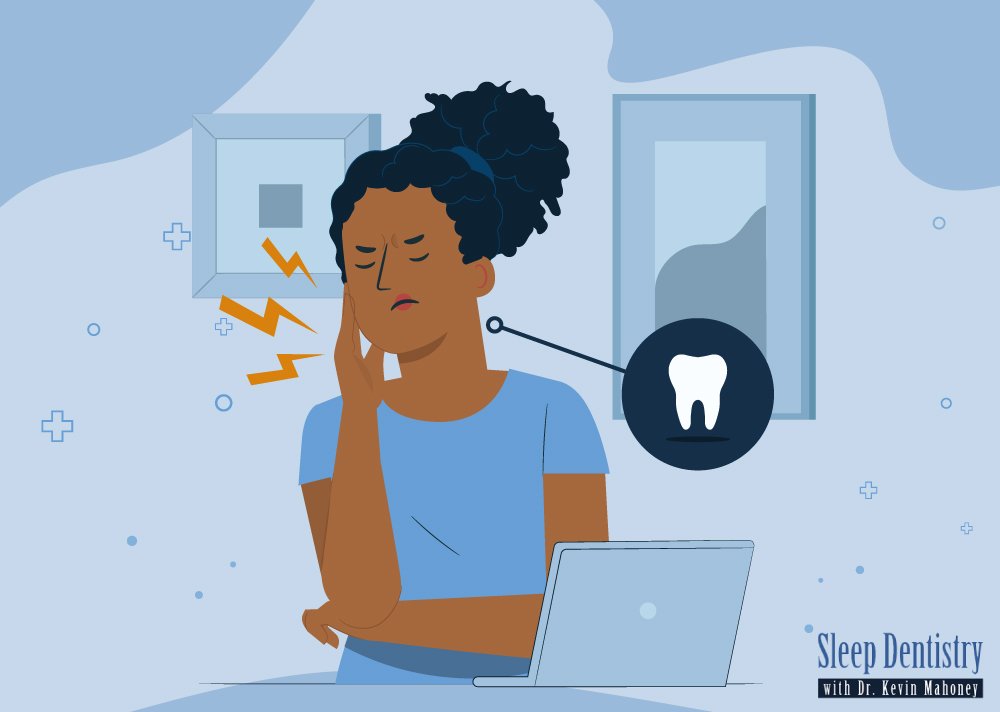
Have you ever woken up with a toothache that was gone before lunchtime? Do you avoid biting into ice cream because it hurts your teeth when you do? Has your mouth been aching on and off ever since you started using whitening strips? If you answered yes to any of these questions, then you have experience with sudden tooth pain. 

Why Am I Experiencing Sudden Dental Pain?

Not every toothache means your tooth is about to fall out. Sudden, sharp tooth pain that goes away over time can have several causes, including:

Cavity

A common cause of acute dental pain is cavities. As plaque builds up on your teeth, it eats through the enamel. This leaves permanent holes in the surface of your teeth. While easily treated by a professional, they are painful and grow until treated. 

Eroding Enamel

Over time, the enamel coating your teeth can erode due to aggressive brushing, eating highly acidic foods, or even eating disorders, particularly bulimia. This can make your teeth ache due to increased sensitivity. Eroded enamel can also make your teeth sensitive to hot or cold foods. 

Receding Gums

Your gums help to protect the nerve endings near the roots of your teeth. If the tissue is worn down, your gums will recede and expose these nerves, which can make your teeth more sensitive. 

Grinding Your Teeth

Grinding or clenching your jaw can wear down enamel and put pressure on your teeth, causing pain. Many people clench their jaws in their sleep or during stressful situations, which means you could be damaging your enamel without realizing it. 

Recent Dental Procedures

If you recently had dental work done, your teeth may be sore. Even routine professional teeth cleaning can leave them tender for a day or two, so don’t worry—in this case, some discomfort is completely normal. 

Teeth Whiteners

Teeth whitening products such as whitening strips or bleaching gels can make your teeth more sensitive, leading to dental pain. This is because many at-home tooth whiteners use active ingredients such as hydrogen peroxide, which thins enamel and irritates dental nerves. 

At-Home Management of Acute Dental Pain

Even if you’re unsure of the cause, it’s possible to treat some dental pain at home. Note that these methods are only for minor issues; serious ones should be treated by a dentist. 

Rinsing with Salt Water

Rinsing your mouth with salt water is a quick, easy way to disinfect minor wounds and loosen debris in your mouth. It can also help to ease swelling. 

Cold Compresses

A cold compress applied to the jaw can help numb tooth pain. If you’re making your own, be sure not to apply ice or an ice pack directly to your skin—wrap it in a cloth first. 

Avoiding Crunchy/Non-Room Temperature Foods

If you’re experiencing pain when eating hot, cold, or crunchy foods, avoiding them can alleviate your discomfort. This won’t solve the sensitivity, but it will spare you some tooth pain. 

Oral Analgesics

Oral analgesics are painkillers taken by mouth and can be useful for stopping dental pain. For example, over-the-counter medicine like Ibuprofen is a great way to deal with minor toothaches. If you’re experiencing bleeding, avoid Tylenol and Aspirin—the active ingredients can make you bleed more. 

Stop Using Teeth Whiteners

If you’re using teeth whitening products, try avoiding them for a few days to see if your pain and sensitivity subside. 

When to See a Professional

Home remedies will only get you so far when it comes to dental pain. You should seek out a professional if you experience one or more of the following symptoms: 

  • Pain that lasts more than 48 hours
  • Pain is accompanied by a fever or headache
  • Chipped or cracked teeth
  • Persistent bleeding
  • Pus 

These symptoms are signs of a more serious issue, such as serious damage or an infection, that won’t go away without professional medical intervention. 

Pain-Free Treatment at Sleep Dentistry

If you’re suffering from a cavity, cracked tooth, or other painful dental issue, come to Sleep Dentistry. As the only licensed dental anesthesiologist in Erie and one of only 300 in the US, Dr. Kevin Mahoney can ensure that you sleep through your procedure completely pain-free. Schedule an appointment with Sleep Dentistry today and rest easy knowing your dental care is in good hands. 

SCHEDULE AN APPOINTMENT